


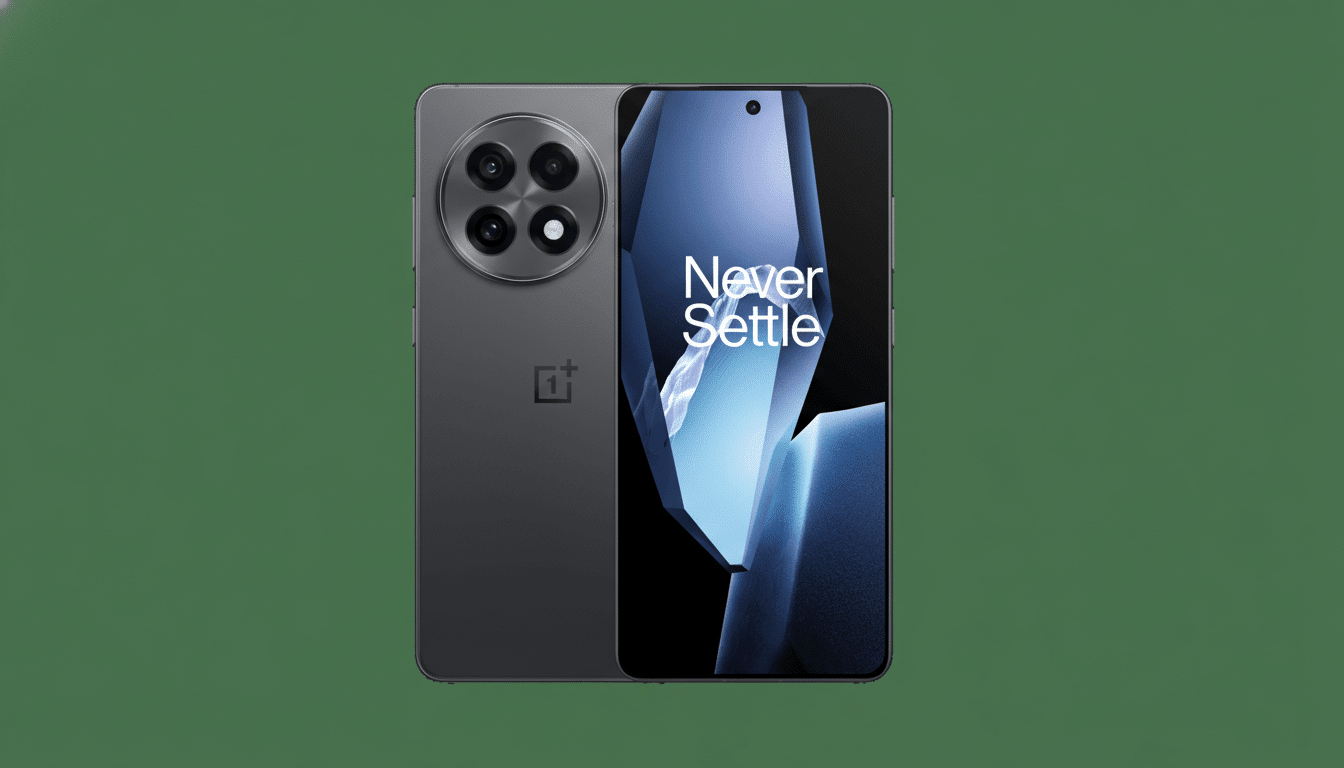
OnePlus is extending its most practical power-saving trick across more devices, bringing systemwide bypass charging beyond gaming and into everyday use. With the latest OxygenOS rollout, models including the OnePlus 13R, 13s, OnePlus 12, and even the OnePlus Pad Go 2 can draw power directly from the charger during intense workloads, helping keep temperatures down and preserving long-term battery health.
This is a quiet change with big implications: when you’re plugged in and pushing the device hard—think navigation, video editing, multi-hour video calls, or streaming at full brightness—the phone or tablet can prioritize wall power instead of cycling energy through the battery.
What Bypass Charging Does And Why It Matters
Most phones route energy from the adapter into the battery first, then feed the system from the battery. That double handling creates heat, which accelerates battery wear during heavy use. Bypass charging changes the path: the device runs off the adapter while throttling or pausing charge current into the battery, reducing thermal load and stress on lithium-ion cells.
Heat is the enemy of battery longevity. Research summarized by Battery University and multiple IEEE papers shows that sustained high temperatures significantly hasten capacity loss. Even modest reductions in internal temperature under load can slow chemical aging, especially during long plugged-in sessions like gaming or navigation where phones often climb above comfortable surface temps.
The benefit isn’t just theoretical. Lower heat also helps the processor maintain performance for longer before thermal throttling kicks in, leading to steadier frame rates and more consistent responsiveness when you’re juggling demanding apps.
Wider OnePlus Rollout Across Phones and Tablets
Systemwide bypass charging first appeared on the latest flagship line, and OnePlus is now expanding it to the 13R, 13s, OnePlus 12, and the OnePlus Pad Go 2. Crucially, it’s no longer limited to a special gaming mode—any high-demand scenario while plugged in can tap the feature.
In practical terms, that means less battery cycling while you project maps to a car display, render clips for social, or watch HDR content at maximum brightness. Rollouts are staged by region and device, so availability may vary, but the direction is clear: OnePlus wants this to become a standard behavior across its ecosystem.
How It Compares to Rivals From ASUS, Sony, and More
Bypass-style power delivery isn’t entirely new in the industry. ASUS offers a similar option on its gaming phones, and Sony’s Xperia line includes H.S. Power Control to run the phone directly from the charger. What stands out here is OnePlus pushing a systemwide implementation to mainstream devices, not just niche gaming hardware.
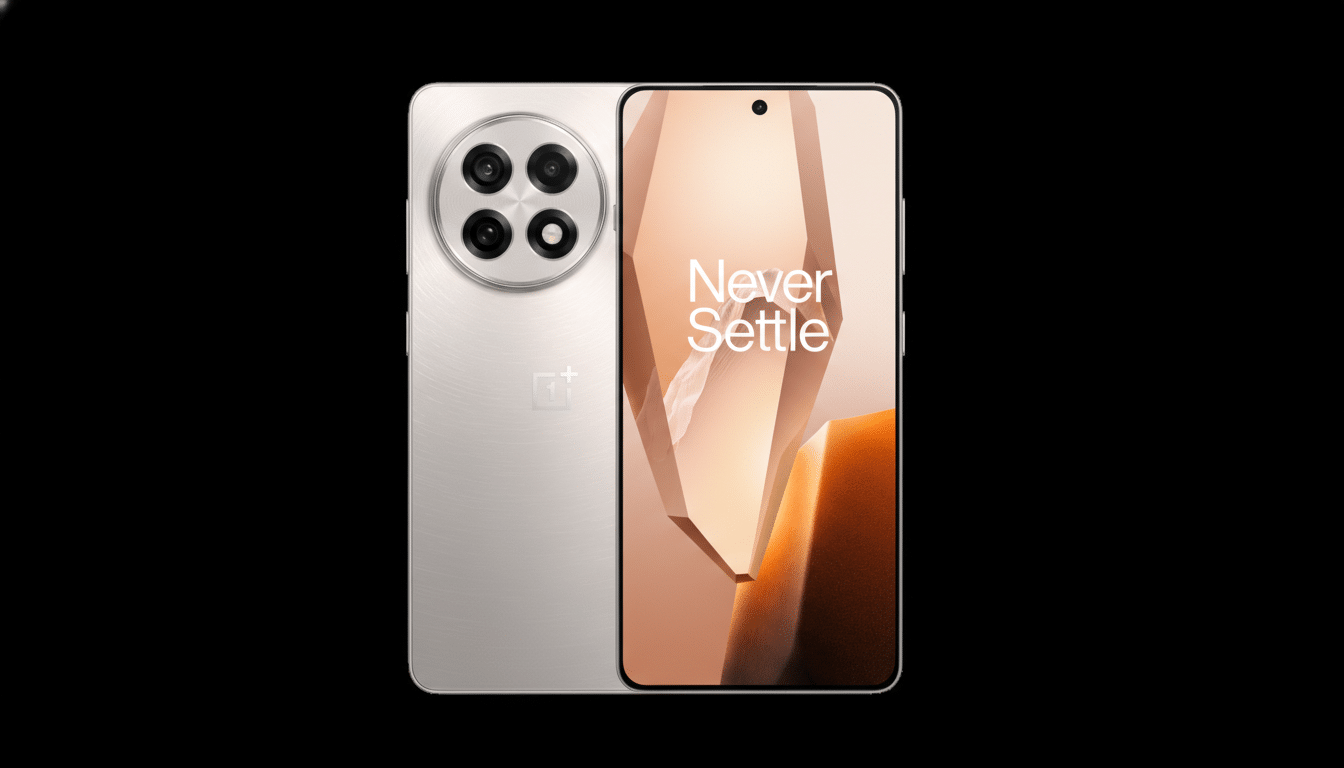
Other brands focus on different battery-preservation strategies. Samsung’s Protect Battery caps charge at around 85% to reduce stress, while Apple’s Optimized Battery Charging staggers charge timing to avoid full-capacity dwell. OnePlus is layering a complementary approach: when you’re plugged in and working the device hard, it minimizes battery involvement altogether.
What Else the Latest OxygenOS Update Delivers
Beyond bypass charging, the latest OxygenOS build brings the current Android security patch and a handful of quality-of-life improvements. Owners of the OnePlus 13s can now edit full-resolution 50MP images directly in the Photos app, giving mobile shooters more flexibility without third-party tools.
OnePlus has also cleaned up app organization on select models with new categories such as Office and Finance, making large app libraries easier to manage. These are incremental refinements, but they round out an update anchored by a meaningful battery and thermal win.
Tips and Caveats for Users Enabling Bypass Charging
After updating, check Battery settings to confirm the feature and any available toggles. Some implementations activate automatically under heavy load while plugged in; others may allow manual control. A compatible high-wattage charger helps ensure the adapter can power the system and, when needed, top up the battery.
Expect nuanced behavior: during bypass, the device may reduce or pause battery charging to keep temperatures in check, and total charge time can lengthen slightly if you’re simultaneously taxing the CPU and display. That’s by design—and a desirable trade-off when the goal is longevity rather than absolute speed.
Taken together, this expansion signals a thoughtful battery philosophy from OnePlus. Rather than chasing headline charging wattages alone, the company is optimizing how power is used in real-world conditions—where thermal control, consistent performance, and slower battery aging often matter more than a few minutes saved at the wall.