


OnePlus came into the year looking untouchable. The OnePlus 13 pair arrived with the bravado of a company that, at last, had made peace between speed, design, camera quality and value. And then, in a surprisingly short blink of time, the story reversed. A hurried flagship cycle, perplexing hardware trade-offs and a controversial software update turned what started as nearly perfect into a hard lesson.
The whiplash wasn’t simply over one phone. It was a series of decisions that steered the company in a direction opposite to what made it so interesting and exciting, toward a strategy that confused loyal users and delighted rivals.
The Peak That Established Expectations for OnePlus
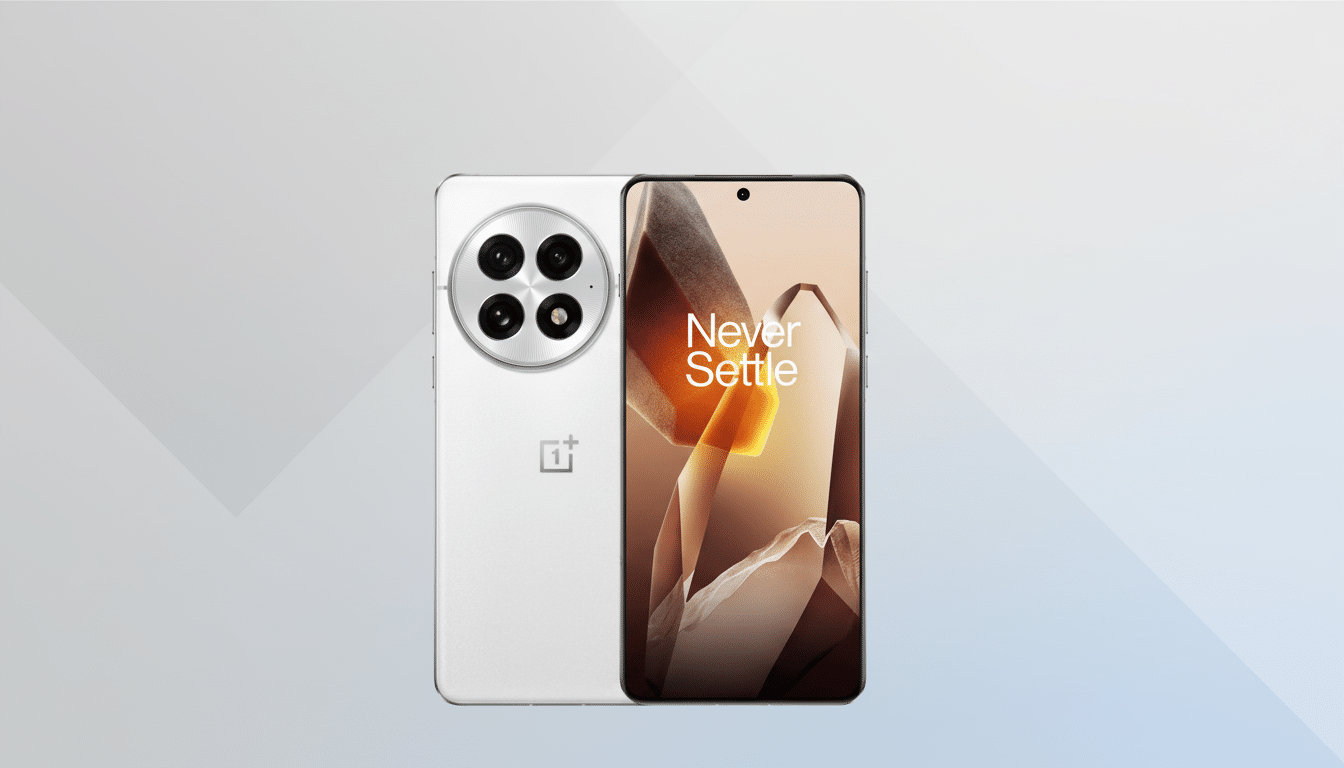
The OnePlus 13 was the kind of machine that rewrites what you think or know about any given product category. It knocked it out of the park with stand-out camera performance, assured tuning, brilliant battery life and the scorching speed that fans will be used to. It felt fresh rather than derivative, and its value proposition was clear: costing about $400 less than the Galaxy S25 Ultra at launch (and sharing an identical price with last year’s model), it undercut market leaders without making too many obvious compromises.
Its sibling, the OnePlus 13R, was right on for budget shoppers. It came with flagship-adjacent performance, a great display, and battery life that embarrassed plenty of premium devices in the midrange (because once again, when OnePlus could get balance right, it absolutely owned the $500–$600 tier).
A Hasty Follow-Up Featuring Regressions Across the Lineup
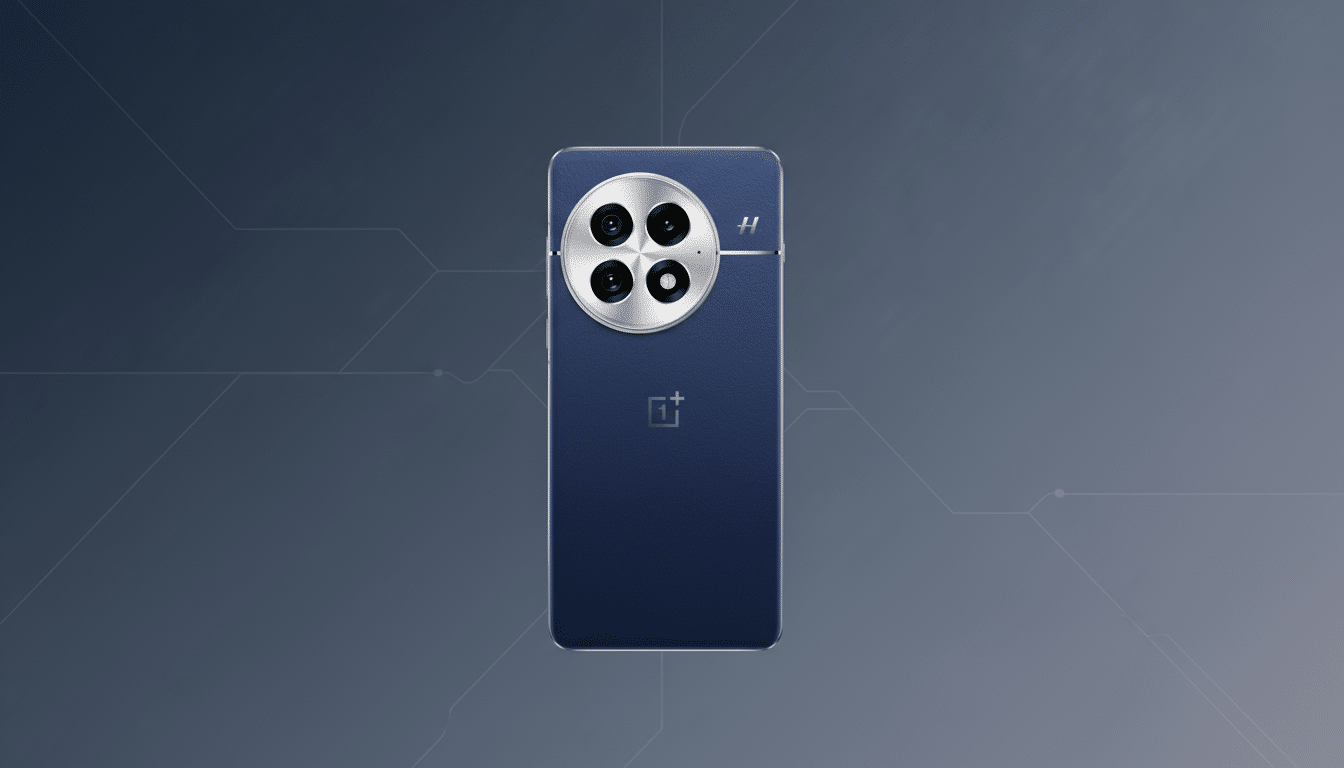
And then there was the OnePlus 15, released much earlier than anyone anticipated. A compressed release schedule can work if you’re iterating smartly, but this felt more like a pivot for the sake of a calendar. The camera system was dialed back to smaller sensors, the Hasselblad co-development disappeared and thermal differences appeared worse. It was an on-paper speed demon, but one that could easily be slowed down with aggressive throttling and heat from gaming and stress tests. Industrial design was solid but the playful flair that made the 13 memorable got stripped away, and if anything stuck out about it, it was probably the fact that despite these downgrades, there was still a $900 starting price.
Same trajectory for the 15R. Loved features from the community, such as the alert slider and wireless charging, went missing. Camera hardware and image quality also fell behind the 13R, while the price shot up by $100. In a space where OnePlus once made difficult decisions feel obvious, the math suddenly went the other way: more money, fewer reasons.
Software Stumbles Only Make It Worse for Loyal Buyers
OxygenOS once thrived on restraint. The newest iteration, OxygenOS 16, is heavier and more ornate, taking noticeable cues from iOS in some places while adding friction where there used to be none. Animations feel busier and sometimes sticky, scrolling lacks the snap of days past, and old pain points like erratic notification delivery and always-on display weirdness have never really been solved.
A drag on perception is its update policy. OnePlus still pledges four Android version updates on flagships, while Samsung and Google are now boasting seven years of OS and security support for their leading devices. Analysts at firms such as Counterpoint Research and IDC have referenced long-term software support over and over again, tying its success to better resale values and longer replacement cycles. And in a premium market whose holy grail is longevity, that divide stands out.
Inside the Strategy Shift and Market Realignment
Why the sharp turn? The OnePlus 15 lineup appears built for spec-hunters and mobile gamers: high sustained clocks, large batteries, fast charging and a more rugged shell. Some retooling of costs and a return to basic supply, with the absence of Hasselblad pointing in the direction of smaller camera sensors and moving away from costly expenses. The squeezed launch feels like the pressure never to let shelves cool and marketing get stale.
But other market signals are pointing in the other direction. According to Canalys and IDC, growth in premium Android sales is coming from devices that lead for camera quality and software longevity as well as sheer grunt. Meanwhile, OPPO’s tighter overlap with OnePlus is more apparent than ever, from the shared industrial design language to wider-reaching software flourishes, suggesting a growing platform convergence that could happily emphasize shared components over brand-specific differences.
How OnePlus Rebuilds Trust with Clearer Priorities
The playbook is not complex, although it may be difficult. Bring back a flagship‑quality camera stack, implement large sensors and thoughtful color science through Hasselblad collaboration (or an equally rigorous in‑house pipeline). Redo community signatures like the alert slider and wireless charging across tiers. If you’re going to throttle, it’s better to make that an open, transparent non-issue with more effective heat dispersion and aim for smarter power use.
And just as important: slim down OxygenOS, repair the notification pipeline and allow us to turn off visual effects in the OS. Increasing core OS support to 7 years would effectively eliminate a major competitive weakness and instantly reduce TCO – something that buyers are paying more attention to now than ever!
OnePlus showed this year, early on, that it could make phones that don’t require trade-offs. Returning hither requires a slackened cadence, clear product vision and doubling down on the fundamentals that won enthusiasts and mainstream buyers alike in the first place. The brand that used to set the pace can still do it — if only it would stop racing its own shadow.