


OnePlus is working on a new series of smartphones dubbed Turbo, which will be a performance-centric range focusing on three core pillars – speed, battery life and gaming. The project was teased by OnePlus’ China president Li Jie Louis on Weibo, with industry talk suggesting a 2026 launch and at least two models in the development pipeline. The big question is whether Turbo lands in China only or makes its way to global audiences in some fashion.
What the OnePlus Turbo series aims to be for users
Li Jie Louis emphasized Turbo’s mission to “lead” in its segment, on the criteria of raw power, battery lifespan before requiring a recharge and gaming stability. That playbook seems to prioritize sustained clock speeds, an aggressive cooling infrastructure, and good power management over chasing benchmark spikes that get throttled after a minute of load.

Smart Pikachu’s tip is that the line will kick off with two devices and the sort of massive batteries most flagship phones can only dream of, with rumored capacity numbers getting up toward 9,000mAh. For some context: regular flagships generally hover around 5,000mAh. Dropping that kind of power might result in thicker chassis, heavier frames or stack-cell designs, but also marathon gaming sessions without the always-present specter of having to plug your machine in after just an hour or so of demanding use.
The brand has not yet specified a price band, but its verbiage reads like a value-performance play rather than an ultra-premium one. It’s that framing that would see Turbo competing directly with Xiaomi’s Redmi Turbo (no, it is not the most original naming), vivo’s iQOO Neo and Realme GT series of headline speed at a mid-tier price.
Will you ever see the OnePlus Turbo outside China
OnePlus frequently has dual-track product strategies. China gets the Ace line on ColorOS, whilst in international markets you get similar hardware under R or Nord branding running OxygenOS. Without counting resurfacings abroad, previous Ace models have returned with tweaked external branding/bands/software overseas, so we suppose a world phone Turbo of some description, whether it be the one that previously ran overseas expatriated here or remade in the image of—rebranded as—something not named Droid.
That said, the United States is the wild card. Carrier certification, band support and limited shelf space have all traditionally held back OnePlus in North America. Although the signal on where OnePlus will start is a little mixed, among its strengths are its channel in India and community footprint across various parts of Europe.
If Turbo is a mirror of Ace-to-R playbooks, you can count on a China-first launch and an India-first curation as well as selective European rollout. Keep an eye on regulatory filings and trademark listings as they’re early signs of international intentions.
Why the time might be right for a gaming-centric line
Mobile gaming is the industry’s momentum engine and it’s not a niche. In recent years, mobile has averaged about 49% of the global games industry’s revenue, and demand for longer, hotter sessions means devices that enhance play in almost any way possible. That’s why phones such as the ROG Phone and RedMagic exist, and befittingly why mainstream brands continue to fine-tune for games.
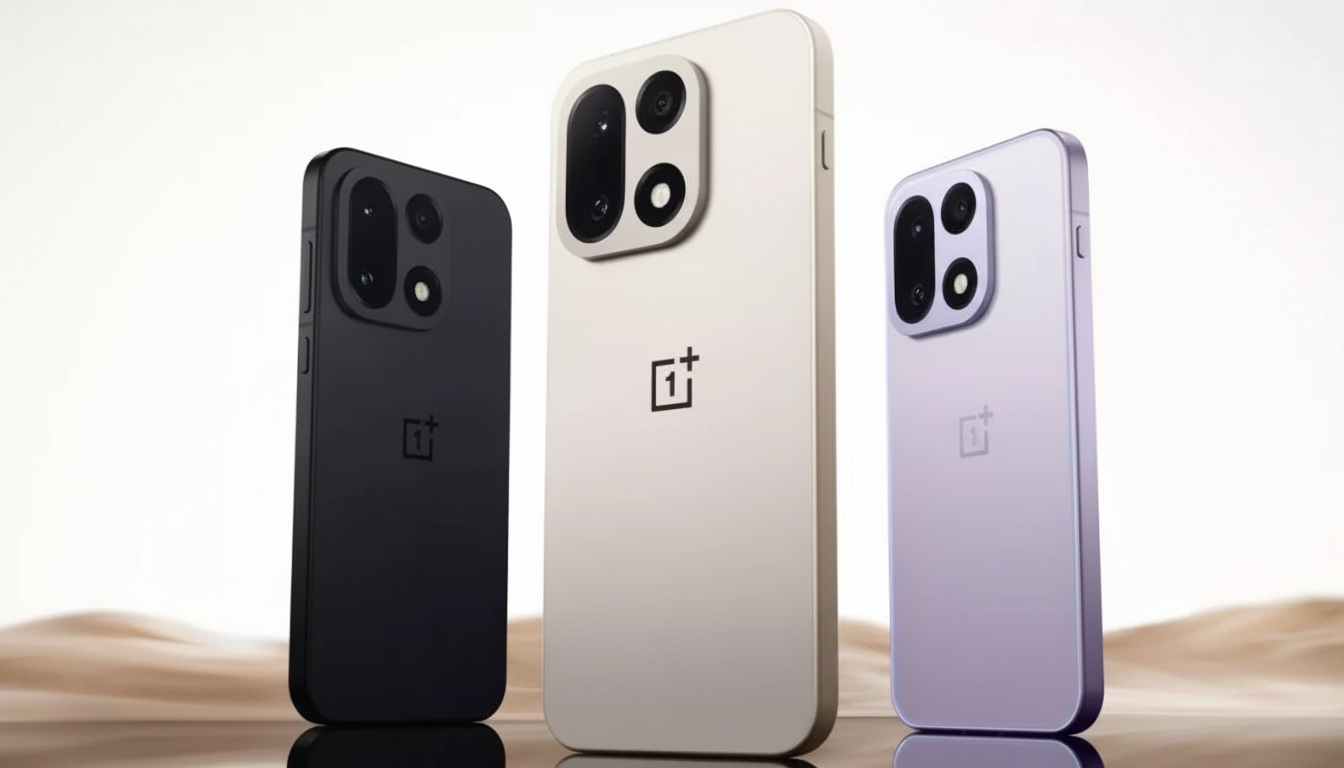
OnePlus already strives to maintain performance in its R-series and now-upper Nord models, with large vapor chambers, fast charging and the highest touch-sampling displays. For years now, research firm Counterpoint has listed premium Android devices in India as some of the fastest-selling handsets around. Turbo codifies that approach but carves a path more black-and-white versus value-performance competition.
Key specs and early signals to watch for OnePlus Turbo
Chipset choice will telegraph positioning. A top-tier Snapdragon or Dimensity would be a full-on assault on gaming and AI loads; an upper-mid SoC might serve as a middle benchmark of cost vs. thermal envelope for maintaining frames. You can expect generous RAM ceilings and fast storage—UFS 4.0 or better—to keep big titles loading quickly.
Battery tech will be just as revealing. Whispers of nearly 9,000mAh packs suggest dual-cell designs to go with SuperVOOC charging in the triple digits. OnePlus’ Battery Health Engine is essential to enable fast charging and large batteries to coexist without more significant degradation, with the goal being 80% capacity retention after about 1,600 cycles.
Cooling is the other piece. Whether that “Turbo” designation means more than just a name will depend on large vapor chambers, graphite layers and whatever system-level throttling strategies Qualcomm sprung for to keep the behemoth running cool. So sustained 60fps or 120fps gaming has less to do with short-lived peak clocks and more with whether the phone can sustain its performance curve for longer before being held back by heat.
For displays, you have been hearing rumors of ginormous panels that are in compliance with gaming ergonomics. High refresh rates and ultrafast touch response are table stakes now; the differentiator will be brightness and PWM flicker handling, both crucial for long plays in changing lighting.
Bottom line: what to expect from OnePlus Turbo plans
Turbo, it seems, is OnePlus doubling down on performance value with over-the-top batteries and gaming cred. The hardware blueprint does sound appealing; the open question is a matter of geography. If OnePlus follows the Ace-to-R strategy, you could see Turbo’s DNA even if its name remains in China. For the most definitive indications of where Turbo will be landing, watch for Weibo announcements from OnePlus China, certification databases and early retail leaks.