


OnePlus debuts Ace 6T in China, and with a few small tweaks this could be the model that serves as the blueprint for the forthcoming OnePlus 15R.
The design language is similar, as are many of the leading features rumored for the global version, yet it leans heavily on a classic OnePlus handbook: large battery, fast charging, speedy display, and cost‑conscious camera hardware.
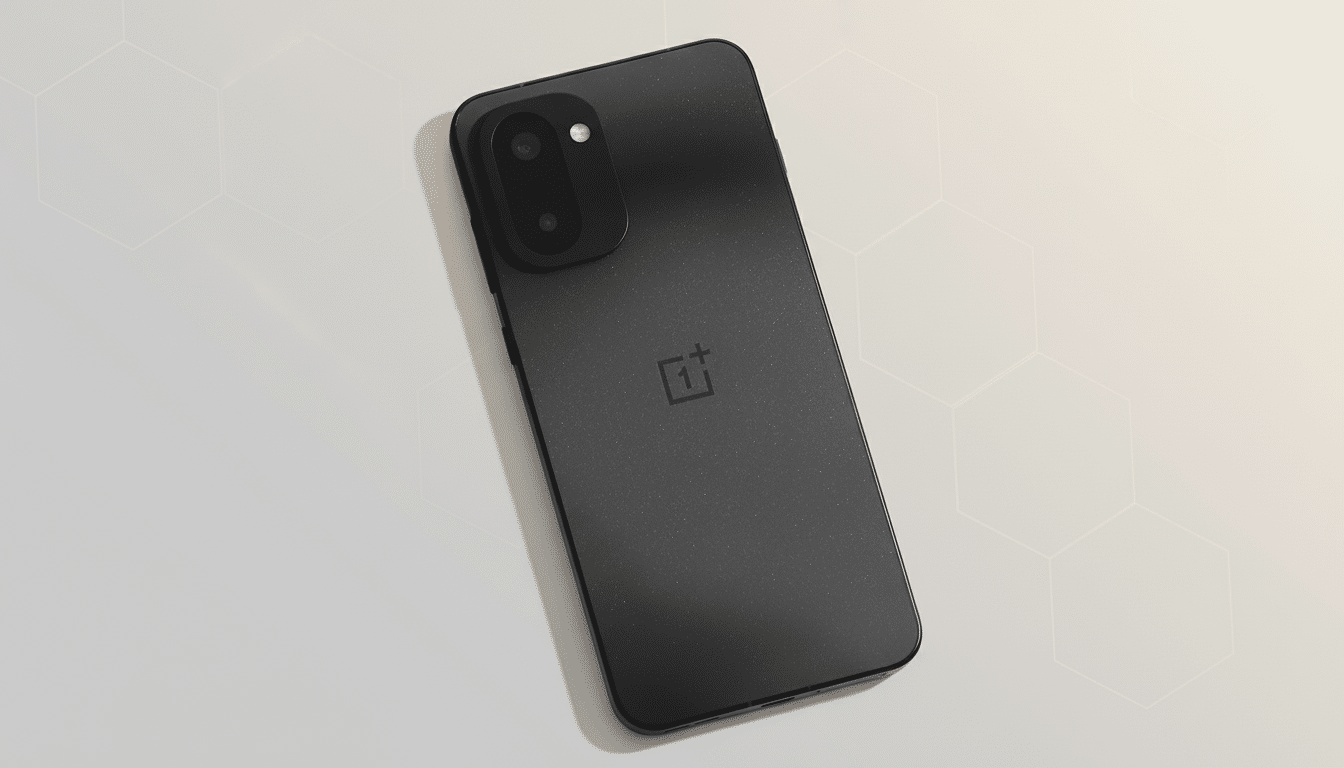
What OnePlus launched in China with the Ace 6T
The Ace 6T will be placed in the gap between a mid-tier phone and a flagship killer.
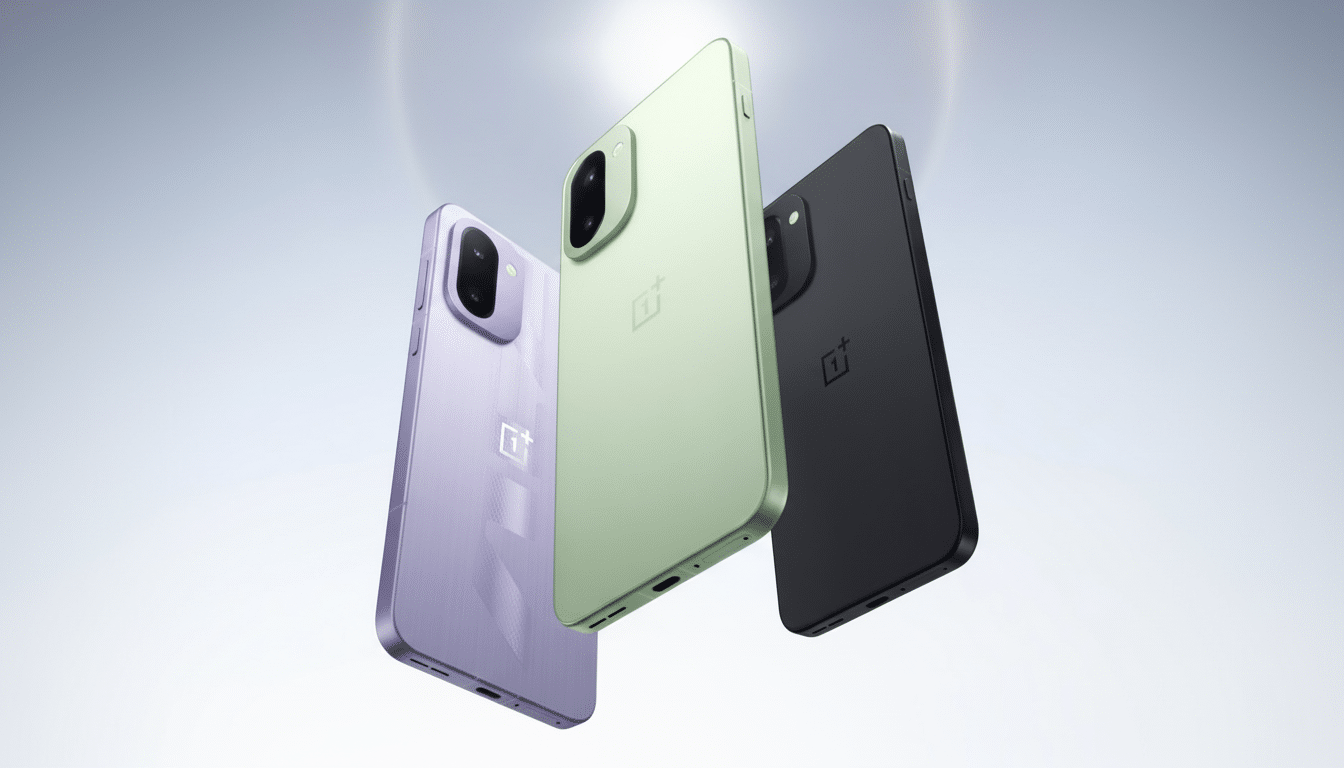
The device is priced refreshingly aggressively as well, with OnePlus selling it for a promotional price of 2,399 yuan (for the 12GB/256GB version) instead of its general launch price starting from 2,599 yuan. It comes in Black and Green with glass backs, and a Purple model with a fiberglass back to make it feel lighter in hand.
Just like OnePlus typically does at its domestic China launches, the phone instead comes with ColorOS out of the box – when it receives a global launch elsewhere (with the rumored 15R branding), we can expect it to run OxygenOS. I’d expect the usual regional shifts to software, 5G bands and perhaps the charging bundle, but that baseline hardware story should hold true.
Core hardware signals a sub-flagship strategy
It’s all centered around a Qualcomm 8‑series chipset (rather than chasing benchmark crowns, it’s tuned for sustained performance and efficiency). In practice, that means you should get stable frame rates in the games most new phones can play and speedy app launches without the thermal compromises typical of actual flagships, as Qualcomm has increasingly stratified its 8‑series lineup to span multiple price points.
The screen is pure enthusiast bait: a 165Hz 1.5K OLED panel that clocks in at 2,800 × 1,272 resolution and as much as an alleged 1,800 nits of global peak brightness. OnePlus is using its own Crystal Shield Glass on top, and in brief hands-on clips shared by company executives on Weibo, touch response appeared to be instantaneous. High-refresh 1.5K (to use a Wiki-style term) panels are the sweet spot around these parts, offering clearly sharper text than 1080p without the power hit of full 1440p.
Connectivity fulfills the modern requirements with Wi‑Fi 7, Bluetooth 5.x and an IR blaster for controlling home electronics. An in-display fingerprint reader is back, and the chassis comes with solid water and dust resistance equivalent to IP68‑grade sealing on past OnePlus hardware at this level.
Battery life and charging are the headline features
Lee shared a few slides explaining the technology and showcasing the engineering behind it (a new all silicon‑anode pouch). The star of this is an elephantine 8,300mAh silicon‑carbon battery — a thickset unit that actually exceeds the ginormous pack size believed to be headed for the mainline 15, as well as walloping just about any Android flagship option. OnePlus claims up to 13.5 hours of navigation, up to 10 hours of gaming and as much as 29.2 hours of video streaming in internal testing – impressive figures that could redefine expectations for the segment should they be achieved on the 15R.
Charging, meanwhile, is equally ambitious: with 100W SuperVOOC promising a charge of just 1% to 50% in only 23 minutes, and support for 55W Power Delivery PPS for standards-based bricks. Silicon‑carbon chemistry is a growing trend — brands like Honor have talked up a similar system for its flagships — because it boosts energy density and cold‑weather performance compared to traditional graphite-based cells. The downside is complexity and expense, so its presence in a sub‑flagship phone is even more significant.
Cameras keep it simple to hit the right price point
Imaging is where OnePlus has to draw the line somewhere in order to keep pricing competitive. (There’s no telephoto at all in the rear setup, which combines a 50MP main sensor [1/1.56‑inch class, f/1.8] with an 8MP ultrawide.) The primary camera can shoot 4K at up to 120fps (which is rare at this price) and there’s a front-facing, 16MP selfie cam. The optical stabilization and sheer size of the main sensor on the P50 Pro are also likely to push around most casual shooting, but anything that’s downsampled or using a zoom will be up to a very different task.
That’s reflective of a broader trend in the category, and for every category: where they skip telephotos, computational zoom (and high‑resolution main sensors) are there to pick up the slack. In previous testing across similarly positioned devices from iQOO and Redmi, 2x in-sensor crops can look great during the day but definitely lag far behind dedicated optics in everything but perfect lighting or closer ranges.
What to expect globally from the OnePlus 15R variant
If rumors are right, then the Ace 6T will be the OnePlus 15R internationally – though instead of ColorOS, you can expect OxygenOS and some very minor changes for individual regions. The idea was simple: Provide near‑flagship performance, enthusiast‑grade display quality and category‑leading battery life while cutting costs in the camera department. Should pricing come anywhere close to the 15R’s China MSRP, the sound of a revamped affordable flagship with this much potential will likely send shivers down the spines of rivals like the Realme GT Neo series along with Redmi’s K‑line spin-offs and iQOO Neo range.
“If the picture is good enough, most users won’t care about anything else,” said Varun Mishra of Counterpoint Research, which has detected increasing demand for “value flagship” gadgets, where people want battery life and charging speed and performance to last rather than maximum camera lensage. The Ace 6T — and therefore also the 15R — feels like a direct answer to that change.
Early takeaway on the Ace 6T and the OnePlus 15R
If you were expecting a camera-oriented 15R, the Ace 6T’s spec sheet says this is not that phone.
But those who spend more time gaming, streaming, navigating and tethering than shooting at faraway subjects should appreciate the combination of a 1.5K OLED that refreshes up to 165Hz, a massive silicon‑carbon‑boron (?!?) stacked battery with blazing-fast charging (up to 100W wired or 80W wireless) and a capable 8‑series chip at its heart. OnePlus appears poised to bring that same mix to global shelves soon.