


If you’re a fan of the OnePlus 13, there’s plenty for you to be worried about in the new OnePlus 15. The 13 wasn’t one more fast Android phone: with confident color science, punchy contrast, and creative camera modes that made shooting feel fun, it created a distinctive identity. Early indications suggest a strategic shift for the 15 that could swap out its personality in American showrooms for clinical precision, as well as some spec trade-offs that won’t sit well with longtime fans.
What Made the OnePlus 13 Stand Out to Fans
Once collaboration kicked in, however, colors began to take a certain look and feel: blacks got darker, midtones richer, color took on an artful tinge over the realest possible tint of hues.
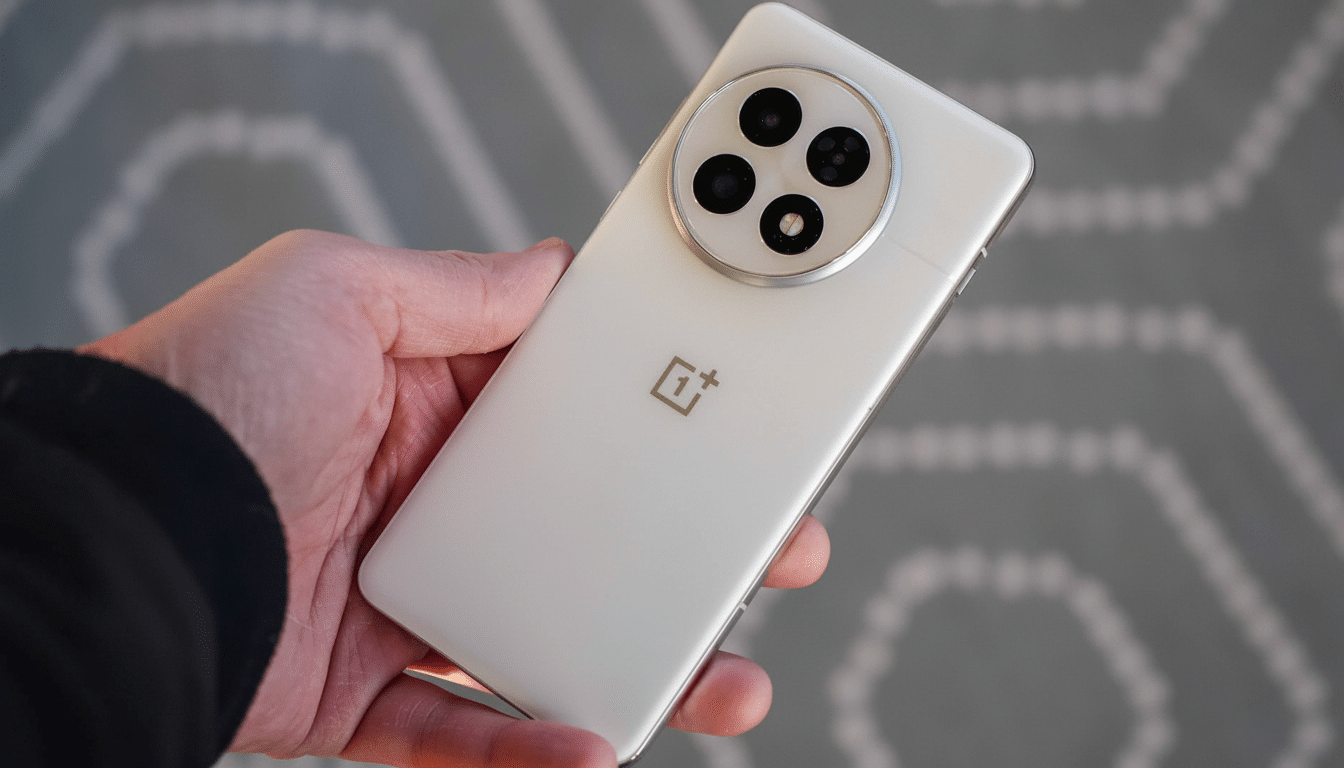
The OnePlus 13 was the culmination of that approach; it offered images with character, images that were different from the cooler, more neutral palettes on iPhone and Pixel. It wasn’t the most “accurate” camera, but it was one of the most expressive.
Hardware mattered, of course. The 13 had matched high-quality sensors with intelligent processing and handy additions like Master Mode and the XPAN panoramic format, which influenced creative composition. In everyday use, that combination — along with strong battery life and a slick high-res display — gave the 13 all the makings of a proper flagship, not just a spec sheet headliner.
Hasselblad Exit and OnePlus 15’s New Image Engine
OnePlus has also confirmed that the Hasselblad partnership will not be continued on the OnePlus 15. Instead, the company is introducing its in-house DetailMax Engine, with executives emphasizing “clear” and “real” photos and better zoom performance. That message hints at a move toward accuracy and micro-detail — Runco-friendly for test patterns, but conceivably a step back from the 13’s bold, styled output.
There is also a sobering loss to consider. Some Hasselblad-branded stuff, like XPAN and all the tuning behind Master Mode, may not be coming back. And in the wider market, camera brand tie-ups are now part of the narrative — think Leica’s color profiles on Xiaomi or Zeiss’s look on vivo. These are not partnerships that merely slap on some logos; they help define the tonal signature of the product as it will be experienced by users. Strip away that identity and you’re at risk of feeling generic, even with heightened raw fidelity.
The fix is not complicated. Offer multiple, consistent looks. Apple’s Photographic Styles and Google’s moving target of color pipelines prove that you can offer both accuracy and artistry. If OnePlus ships with the 13’s contrasty ‘Classic’ look alongside a new photographic DetailMax ‘Natural’ option, it has hit the sweet spot without raining on its own parade.
Promising Specs That Could Change Priorities
On paper, it has a lot going for it. I am expecting to see a next‑gen Snapdragon flagship processor, a 165Hz display that will be faster than the 13’s already-impressive 120Hz refresh rate, and an even larger battery rumored to come in at close to the 7,800mAh mark — which isn’t just a big jump on the Surface Duo 2’s already-large-enough-for-most-people’s-needs-at-6,000mAh power pack. The new “Sand Storm” finish has a micro-arc oxidation mid‑frame and fiberglass back for enhanced durability and feel in the hand. For power users and gamers, those are significant upgrades.
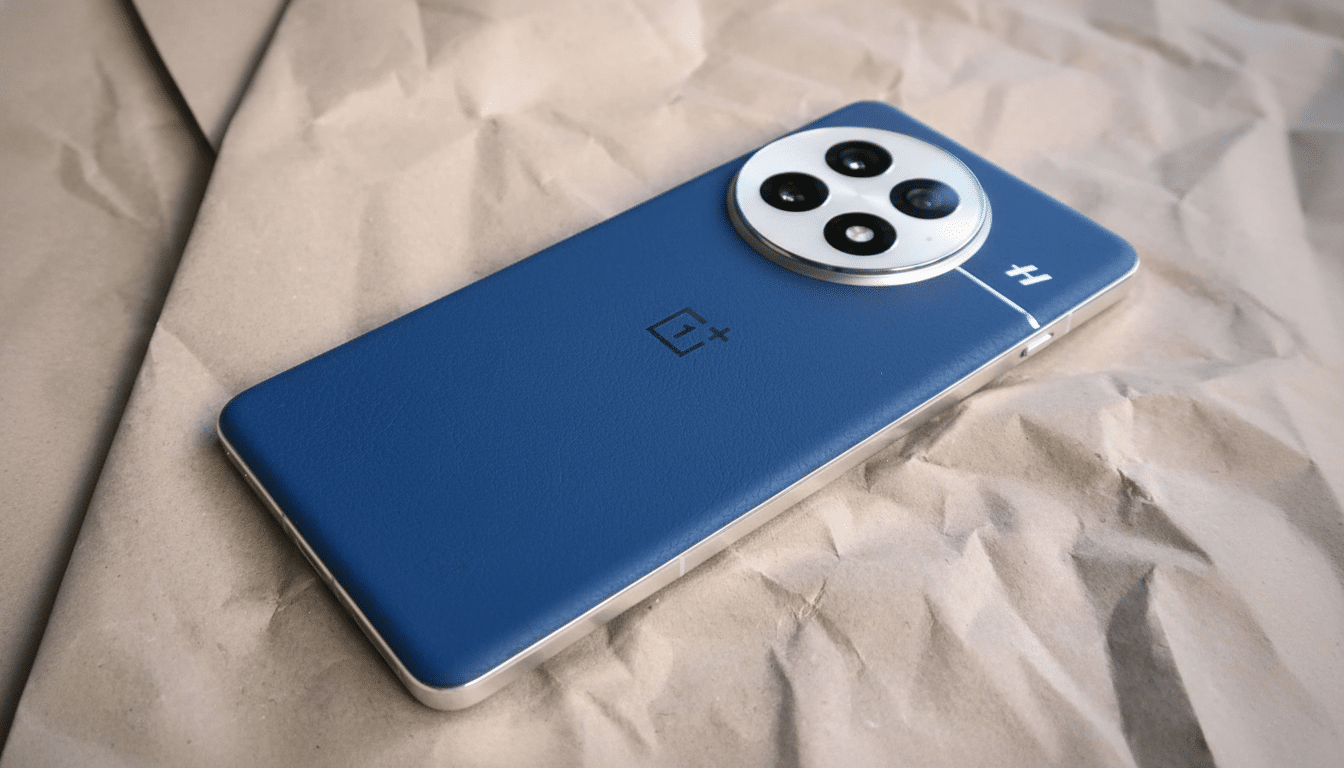
But some rumors suggest trade-offs too: a move from a 2K panel on the 13 to 1.5K on the 15, potential changes to the haptic motor, and word that this time around we could see a downgraded telephoto.
None are fatal on their own, but together they gnaw at the premium gloss. Videophiles will often tell you that, beyond brightness and refresh rate, perceived sharpness still counts at larger sizes; some can spot stepping down resolution.
The broader worry is prioritization. As it is, if the 15 prioritizes frame rates and robustness at the expense of muted camera personality, Samsung’s phone could be a “great performance phone with no photographic identity” — a lane already well-frothy with competitors racing to hit benchmarks.
Why These Changes Matter to Real Smartphone Buyers
Studies from firms that track the smartphone industry, like Counterpoint and YouGov, have identified camera quality as one of the top reasons people buy premium phones. And tests by independent labs such as DxOMark, not gospel but revealing nonetheless, show the extent to which tuning makes a difference for what users see, even when the sensors are similar. The OnePlus 13 worked because its images felt purposeful. If the 15 swings to too sterile of a “correct” look, though, it may satisfy lab metrics but disappoint fans who adored the 13’s moodier signature.
Before upgrading, compare sample galleries from different reviewers and see how skin tones look, how highlight roll-off looks, and night color stability — not just edge detail shot at 200% zoom.
See if XPAN or similar creative modes are still there and if OnePlus offers the option of choosable color profiles that work consistently across all lenses.
The Bottom Line For OnePlus 13 Loyalists
The worry with the OnePlus 15 isn’t horsepower; it’s personality. The 13 showed that a coherent visual philosophy can raise a phone above specs. If OnePlus weds the DetailMax Engine’s sharpness to an accurate “Classic” look and preserves modes like XPAN, the 15 could be both sharper and soulful. If not, those with a soft place in their hearts for the 13’s personality may want to hang on tight or wait for detailed camera reviews before laying out the cash.