


OnePlus could be reeling in one of the phone deets that declare it subtly peek-at-me premium, according to a new leak. Per OnePlus Club, the OnePlus 15 is said to feature a smaller haptic actuator than the one in the OnePlus 13 — which has fans worried that its “vibe” could actually feel less premium on a day-to-day basis.
What’s reportedly changing inside the OnePlus 15
The OnePlus 15 is rumoured to switch to an AAC ESA1016 linear motor with a surface area of 560mm², compared to the AAC CSA+0916 Turbo unit on the OnePlus 13 having a surface area of 602mm². That’s an actuator area reduction of around 7 percent. Whereas specifications on paper are, obviously, imperfect predictors of how good something actually feels in your hand; linear resonant actuator (LRA) size roughly correlates with stronger, cleaner feedback as well as better low-frequency reproduction and less “buzziness”.
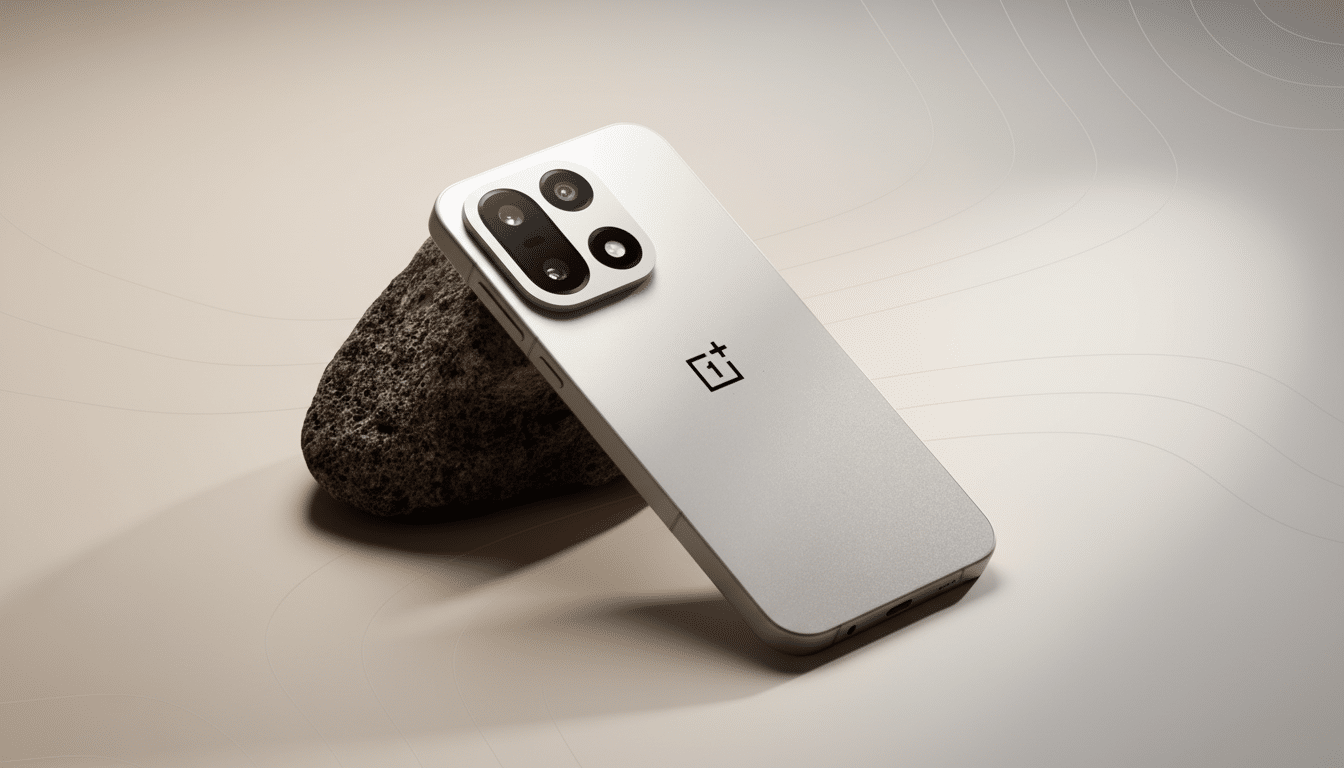
Now, AAC Technologies is a big dog in the world of Android OEMs and “Turbo” branded modules — as seen and heard on the 13 — have always crushed output while being spot-on in terms of response. A small module doesn’t automatically add up to wimpy haptics, but it does limit the headroom engineers can work with for intensity and nuance — especially at lower amplitudes, where high-end phones tend to differentiate themselves.
Why this is important for a premium feel
In other words, high-end devices are competing with one another on the intangibles. These haptics control what typing feels like, how navigational gestures will sound precise and how satisfying the act of pressing camera shutters and gaming feedback is. Apple’s Taptic Engine has set a high bar for crisp, quick feedback, and more recent Android flagships — from Google and OnePlus to Xiaomi — have narrowed the gap with television L.R.A.s and even better tuning.
But industry research (from haptic specialists like Immersion) has posited that improved tactile fidelity can enhance perceived quality and decrease input errors. As it turns out, users can tell when the keyboard thuds instead of rattling or when system cues that are subtle feel precise rather than mushy, in practice. If OnePlus reduces actuator size without compensating in software, those micro-moments could take a hit.
A history of alleged trade-offs in recent leaks
The haptic rumour is not alone. Other rumours point to a new periscope telephoto lens with an f/2.8 aperture (compared to f/2.6 on the OnePlus 13) and a switch from the 6.82-inch 2K display to a 6.78-inch 1.5K one. Each of these things, individually, isn’t the end of the world, but cumulatively they make me wonder if OnePlus wanted to save money or resources — I suspect that inside this phone it’s pretty packed in there.
There are good engineering reasons for these calls. A periscope lens stack and bigger battery wrestle for volume within the chassis, a slightly smaller LRA can liberate precious cubic millimeters. A 1.5K screen can provide, in fact, quite meaningful battery life savings at high refresh rates whilst staying sharp enough for the regular viewing distances we all assume. The issue is whether the total package still feels very much like a “flagship” phone.
It could go one way or the other with tuning
Hardware is getting us only half the way. Waveform design, driver calibration and OS-level integration have a great deal of influence over haptic quality. Android makers are relying more and more on high-fidelity-level advanced haptic stacks — such as AAC’s RichTap platform or a licensed solution from Immersion — to craft complex, nuanced feedback even through smaller actuators.

We’ve seen some midrange devices that can credit their success to a budget-friendly LRA, and on the other hand we’ve seen phones with large motors where the tuning was so generic that it didn’t fully take advantage of what they could offer.
If OnePlus also invests in nuanced profiles, separate low-latency cues for typing, camera, notifications and gaming, say — the OnePlus 15 could feel like a premium product still even if those whispered hardware downgrades prove true.
What to watch for as OnePlus 15 details emerge
Three things will affect whether people notice:
- The amplitude and cleanliness of small taps (most importantly typing)
- Clarity of short tapping cues (system navigation and shutter)
- Lack of harsh metallic buzzes at high amplitudes (alerts and gaming)
We’ll have to wait for early teardowns from sites like iFixit and hands-on impressions from reviewers who specifically specialize in haptics.
Unless and until the device is official, these are leaks, not commitments. But if OnePlus is indeed reducing the actuator, but also keeping other specs tightened down, then expectations should be appropriately managed. The company’s recent haptics, on the OnePlus 12 and 13 in particular, have been more celebrated, so the bar it has set itself is high.
Bottom line on the rumoured haptic motor change
A haptic motor that is about 7% smaller may not seem like much, but it could diminish one of the more subtle indicators of a top-tier phone. Assuming the leak is on the money, that means the OnePlus 15’s tactile feedback might feel slightly less authoritative out of the box. Strong software tuning can potentially offset the hardware change — but without it, “the vibe may be thrown off,” as InvenSense’s senior product technology strategist Mujtaba Hamid put it.