


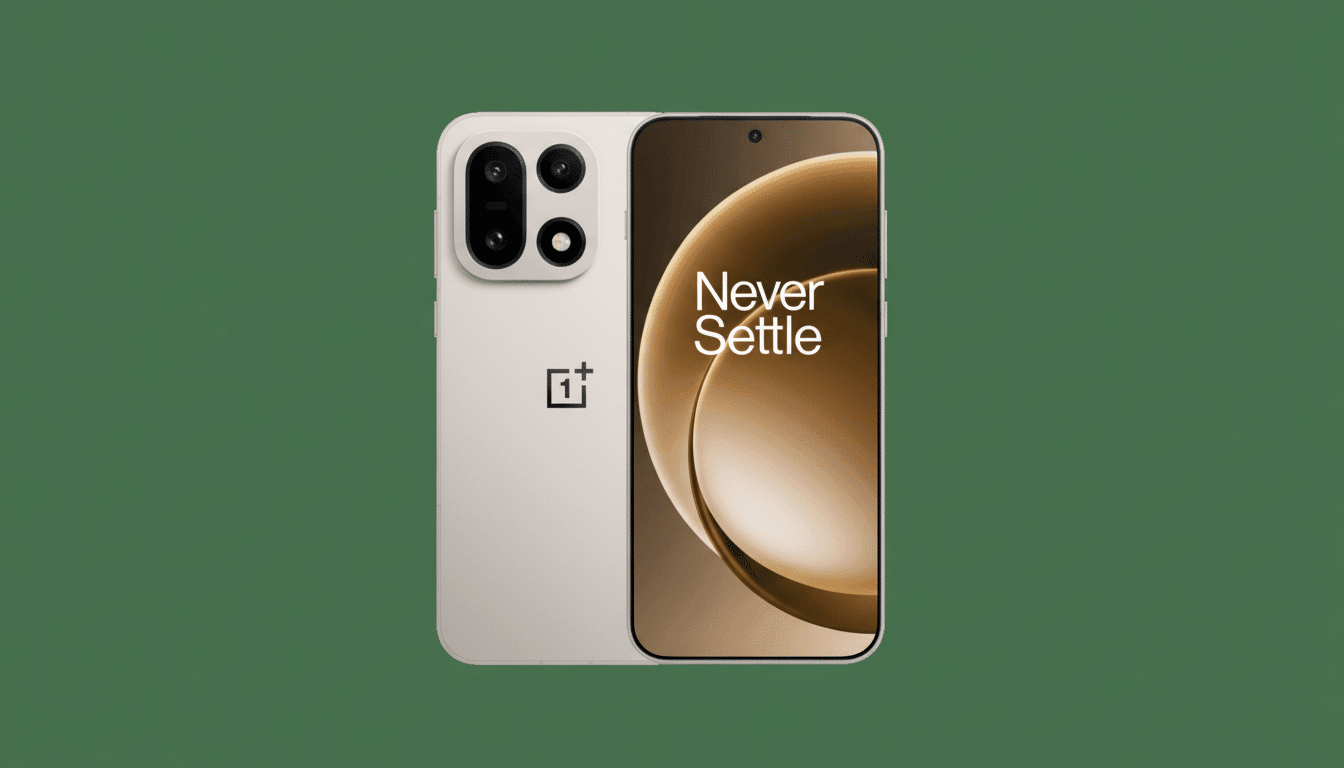
The OnePlus 15’s battery overheating flares up early; a new software update to try and cool the phone down when pushed hard is now being tested. The retest actually reveals tangible gains: stability is better, peak heat has been reduced, and the performance hasn’t been kneecapped to reach that result. It’s not a bulletproof solution, but it is a substantial corrective course and one that brings the device to normalization with other flagships.
The Update in Context: Thermal Curve and Power Changes
According to the results, it looks like the patch tweaks the phone’s “thermal curve” and power management policies rather than a blunt performance limit being enforced. Put more simply, the update throttles how rapidly the Snapdragon 8 Elite Gen 5 ramps and holds clocks, which reduces heat generation without scrubbing away headline speeds on the chip.
CPU benchmarks from Primate Labs’ Geekbench 6 indicate the OnePlus 15 is still on course. Ratings were flattish — up 1.5–2% or so, which falls within normal variation and likely balanced by the Game of Thrones airing at this time last year. Flip on the built-in performance mode and multi-core numbers tick up to closer to 5%, showing that there’s still some headroom left here for when users need it.
Benchmark summary: graphics, stability, and thermals
Graphics outputs in UL Solutions’ 3DMark are a tad up over what we saw before the patch, at Solar Bay and Wild Life Extreme. This is a good sign: cooling the device without cutting GPU capability, which is typically the first thing to go with an aggressive thermal tune.
The bigger story is stability. Before, it was unable to finish runs of the extended stress tests as they were shut down by high temperature. With the update, we consistently get the same stress-testing results. Internal chassis temperatures peak well below 52.7°C (127°F) recorded externally at this level, despite following just as many phases of the stress test.
Sustained performance and throttling under load
Under sustained GPU-heavy load, the OnePlus 15 traces a well-trodden premium-phone arc: rapid initial clock speeds settling into moderated speeds as heat accumulates. Throughput stabilizes by the end of a long stress sequence at around 60% of what this device can handle. That’s not class-leading, but it is no longer a total outlier and more or less in line with what we’ve come to expect for high-end silicon when subjected to extreme, synthetic workloads.
Peak figures are higher on the new model compared to its predecessor, the OnePlus 13, but its sustained output is in the same ballpark. Put more plainly, short bursts feel faster on the OnePlus 15, but marathon sessions don’t provide a massive uplift over last year’s phone.
How it compares to similarly specced competition
Against another Snapdragon 8 Elite Gen 5 phone, the realme GT8 Pro, the OnePlus 15 runs a touch cooler during opening rounds of stress but not so cool as to facilitate any sort of material increase in performance. Temperatures converge and both phones throttle as the test progresses, but the OnePlus 15’s graph looks like it promises to offer a steadier frame-time profile overall that will mean fewer jarring dips during demanding gameplay.
On par with the OPPO Find X9 Pro (powered by MediaTek’s Dimensity 9500), the OnePlus 15 is still warmer to the touch. The OPPO tops out at 39.7°C on both accounts, with similar average performance and yet a cooler feel. But OPPO’s worst-case stability declines still further, now to around 44.5% of peak. That nicely summarizes different approaches: OnePlus goes for a warmer but smoother curve; OPPO leans toward cooler skin temps with more forceful throttling at the outlier.
Gaming and daily use implications after update
The update should also help the OnePlus 15 maintain higher performance for longer in real games and emulators before ramping down (particularly in titles taxing the GPU). If you’re a competitive player, however, you’ll probably want to enable performance mode in those more demanding games, cap the frame rate at 60 fps if your device allows it, and not charge while gaming to better manage thermals. There will still be a test of patience when it comes to intensive emulation, but passive cooling magic can only work so long — sustained perfection without active cooling is not clear.
Most users are unlikely to replicate in daily use the extreme conditions of a laboratory stress test. Whether it’s burst photography, short gaming sessions, or just hardcore multitasking, the OnePlus 15 continues to plow on with improved thermal behavior that we can see and hold in the hand — no bogging down, no forced app killing.
Bottom line: what the thermal update delivers
The OnePlus 15’s thermal patch does what it has to do. Its stabilization of the phone under heavy loads trims peak temperatures and retains the punch of the Snapdragon 8 Elite Gen 5. The device still isn’t the coolest operator in its class, but it’s not an outlier anymore, and its steadier performance curve is a meaningful quality-of-life improvement for power users.