


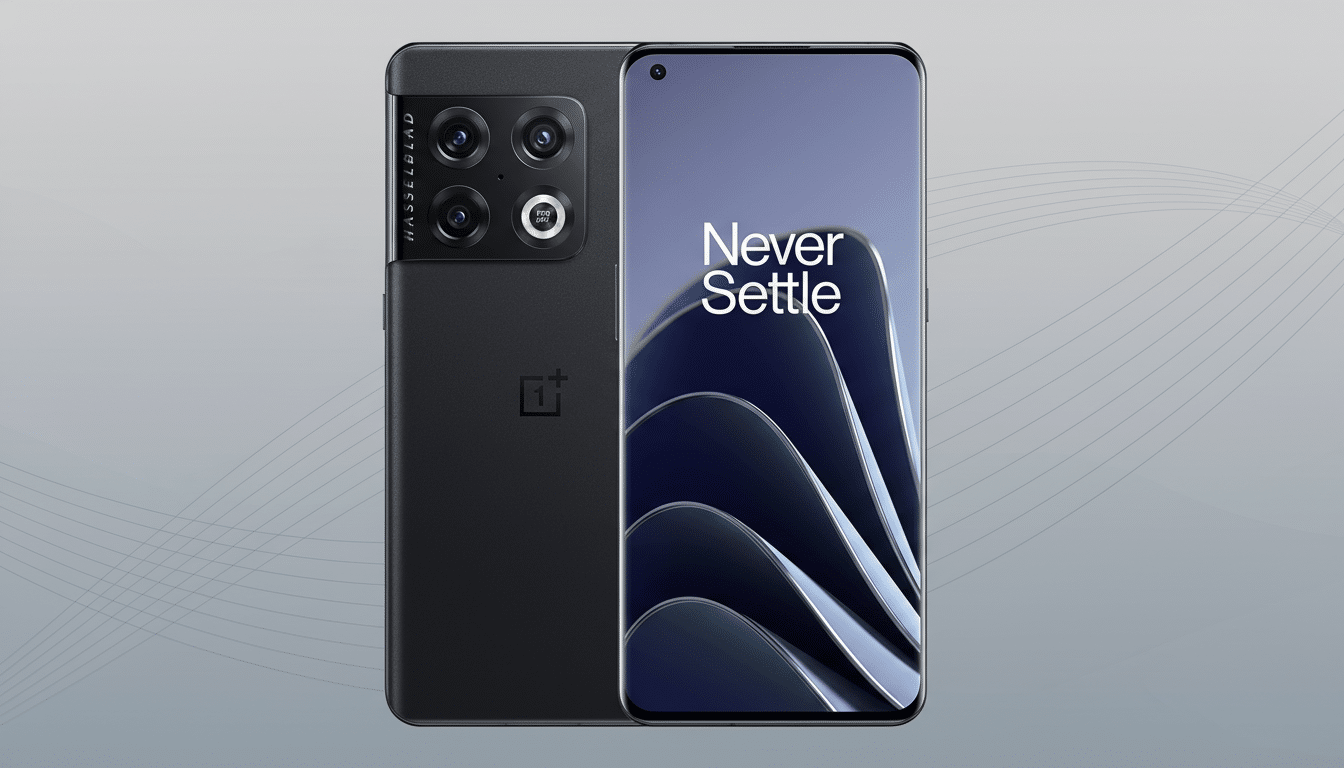
The OnePlus 10 Pro just jumped the queue with a stable Android 16 update, delivered as OxygenOS 16, despite not being on the company’s upgrade roadmap. Owners in India are first in line as part of a staged, batch-based rollout confirmed via the OnePlus community forum, with wider availability expected after initial feedback.
This is a genuine curveball for a 2022 flagship that launched on Android 12 and was promised three major OS upgrades. By that schedule, Android 15 would have been the end of the line. Instead, OnePlus is extending the phone’s lifespan with a fourth major release—an atypical move that underscores how software support strategies continue to evolve across the industry.
Why This Update Is Unexpected for OnePlus 10 Pro
Historically, OnePlus offered three Android versions and four years of security patches for devices like the 10 Pro. Only more recent flagships shifted to a longer commitment, with company statements in 2023 outlining up to four Android upgrades and five years of security for select models. The 10 Pro predated that policy, which is why an Android 16 release wasn’t on any official schedule.
Extending a device by one extra Android version has real-world impact. It keeps the phone in line with newer app requirements, improves resale value, and can delay the need for a hardware upgrade. Analysts at Counterpoint Research have noted that smartphone replacement cycles in mature markets are stretching beyond three years; adding another major OS update meets users where they are—keeping older flagships relevant for longer.
What OxygenOS 16 Brings to the OnePlus 10 Pro
OxygenOS 16 layers Android 16 with a refreshed visual design and a slate of feature upgrades. OnePlus highlights a redesigned Photos app, an upgraded Notes app, and more flexible customization for the home screen and Quick Settings. The company’s newer AI Recorder is included as well, offering smarter voice capture and organization.
Under the hood, expect general performance and responsiveness improvements. Even on the Snapdragon 8 Gen 1 inside the 10 Pro, OxygenOS tuning can help with task scheduling, animation smoothness, and app launch behavior. While OnePlus hasn’t published benchmark figures, prior OxygenOS releases have typically focused on reducing frame-time jitter and tightening memory management—quality-of-life gains that long-time users will notice.
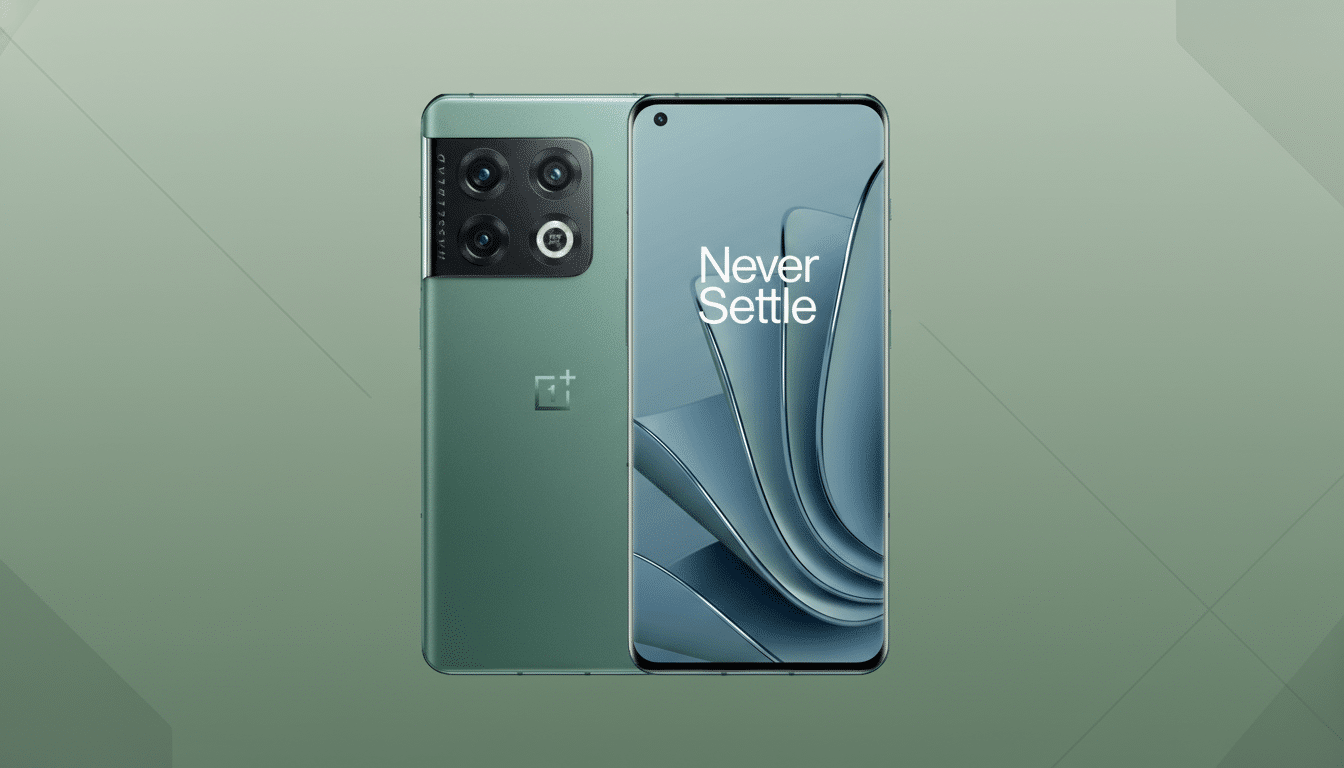
System apps also see an overhaul to align with the platform update. The goal is consistency: streamlined menus, cleaner typography, and better one-handed ergonomics. For a three-year-old device, that kind of UI modernization can make the phone feel materially newer without any hardware change.
Rollout Details and How to Update Your OnePlus 10 Pro
OnePlus is pushing the update in waves to a limited set of users first, a standard practice to catch edge-case bugs before a broad release. If you’re in the first wave in India, you’ll see the OTA prompt automatically; others can check Settings > System > System updates. Carrier-locked units may lag slightly behind unlocked models due to additional certification steps.
As with any major Android jump, back up your data, ensure at least 50% battery, and use a stable Wi-Fi connection. If you participate in the company’s feedback program, detailed logs help OnePlus triage issues quickly and accelerate the wider rollout.
A Signal About Software Longevity from OnePlus
This move lands in a landscape where software support has become a key differentiator. Google and Samsung now advertise up to seven years of OS and security updates on their latest flagships, setting a high bar that influences buyer expectations across Android. While the 10 Pro won’t shift to that tier retroactively, an unscheduled Android 16 release reinforces the message that older devices need not be left behind prematurely.
For OnePlus, the goodwill is tangible: keeping a 2022 flagship current with a modern Android base strengthens the brand’s enthusiast-friendly image and reduces the friction for owners considering another OnePlus device when they do upgrade. For users, it’s simple—a familiar phone gets new capabilities, refreshed design, and another lap of security and stability without spending a cent.