


Hidden codes in early pre-release versions of One UI 8.5 suggest there will be a new “Super fast wireless charging” mode, suggesting Samsung is readying its first major bump to wireless charging speeds in years. If the hints are accurate, future Galaxy flagships might finally break free of that 15W ceiling.
What One UI Code Reveals About Samsung’s Charging Plans
That’s according to developers picking apart recent One UI 8.5 resources, having discovered a new system toast which specifically mentions “Super fast wireless charging” alongside the existing “wireless charging” and “fast wireless charging” prompts.
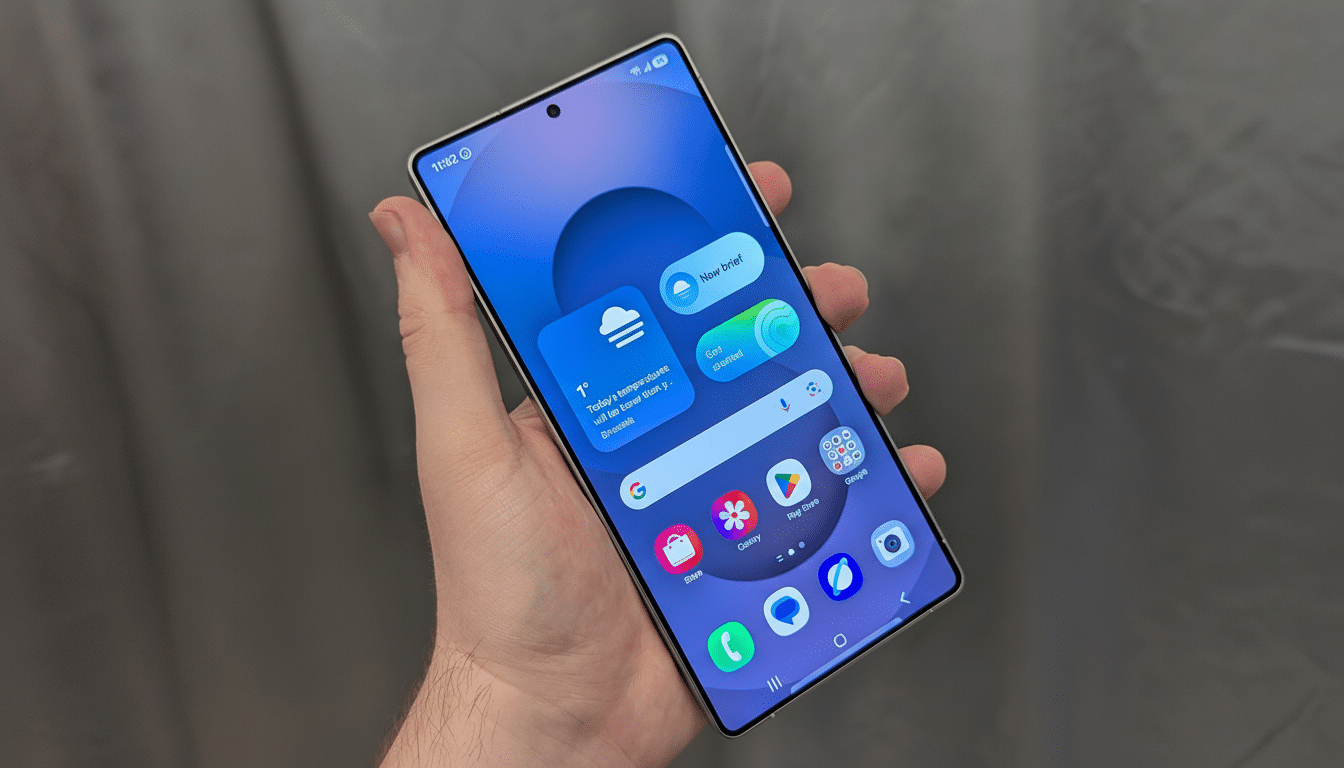
In the current lineup, that “fast” label usually arrives with 15W Qi chargers, and basic 5–10W pads will display a plain notification.
The introduction of a new tier indicates the Korean manufacturer is readying a higher wireless power profile and separate branding for it, akin to its wired fast-charging “Super Fast Charging” tiers as well.
“The code does not specify the ‘wireless’ label with a version number, and it’s also possible that Samsung would tune speeds by model,” he added.
How Fast Could Samsung Move on Wireless Charging
Industry scuttlebutt about the Galaxy S26 family backs that up, suggesting that the normal and Plus variants get 20W wireless charging with the Ultra topping out at 25W. And no, it wouldn’t be the first wireless speed bump for the company since the Galaxy S20 and its 15W cap either: reports have put potential improvements as high as a 40% decrease in charge times under optimal conditions.
On the wired side, Samsung is also testing a “Super Fast Charging 3.0” badge for faster PPS profiles, but the leap on wireless is what I will focus on here. It’s not likely, but any new standard above 15W will need well-made thermal management, tight coil alignment, and maybe also pads for those crisp temperature cutoffs.
Why Samsung Is Acting Now on Faster Wireless Charging
Rival Android brands have used their own systems to reach wireless speeds of 50W–80W for years; phones like Xiaomi’s recent flagships and Honor’s high-end entries catapult past the 50W mark on matching pads. Samsung’s cautious play has been to focus on battery longevity and safety, but the broader market is tangibly moving.

The Wireless Power Consortium’s Qi2 specification, out in the wild now, incorporates magnetic alignment much like MagSafe to reduce losses and improve efficiency. The existing Qi2 Magnetic Power Profile has a ceiling of 15W; it sets the foundation for potentially higher real-world throughput, and vendors can overlay their own proprietary additions. Counterpoint Research analysts observed a consistent rise in wireless charging adoption in the premium market tiers, influencing consumers’ speed and convenience expectations.
What It Means for Chargers and Accessories
Should Samsung indeed bump the ceiling to 20–25W, look out for a new generation of Samsung-certified pads and stands ready to take advantage of those top speeds—likely with better cooling and even stricter alignment tolerances.
15W pads that already exist should continue to be compatible but will likely activate the “fast wireless charging” status we know now rather than a new “super fast” mode.
It remains to be seen if Samsung will link the perk to Qi2 accessories, stick to its own chargers, or otherwise allow certified third-party pads into the highest tier. The company has previously gated top wired rates behind approved adapters, so a similar plan for wireless isn’t out of the question. Reverse wireless charging, a Galaxy flagship convenience feature, is also not said to be imminent with the current code and has yet to speed up.
Timeline and Devices to Watch for Samsung’s Rollout
One UI 8.x rollout has traditionally coincided with the launch of each new-generation Galaxy, which would also suggest Samsung’s Galaxy S26 series is most probable to introduce the new wireless tier. As with all code cites, this is by no means a guarantee, but Samsung very often references a new charging label in firmware before the hardware is even announced.
What you can infer is that a higher level of wireless charging has been baked into Samsung’s software-speak. If they are also accompanied by better thermals and more intelligent power management, a move to 20–25W could meaningfully reduce time spent on the pad while maintaining battery health—finally bringing Galaxy flagships closer to the pace set by rivals without limiting broad Qi compatibility.