


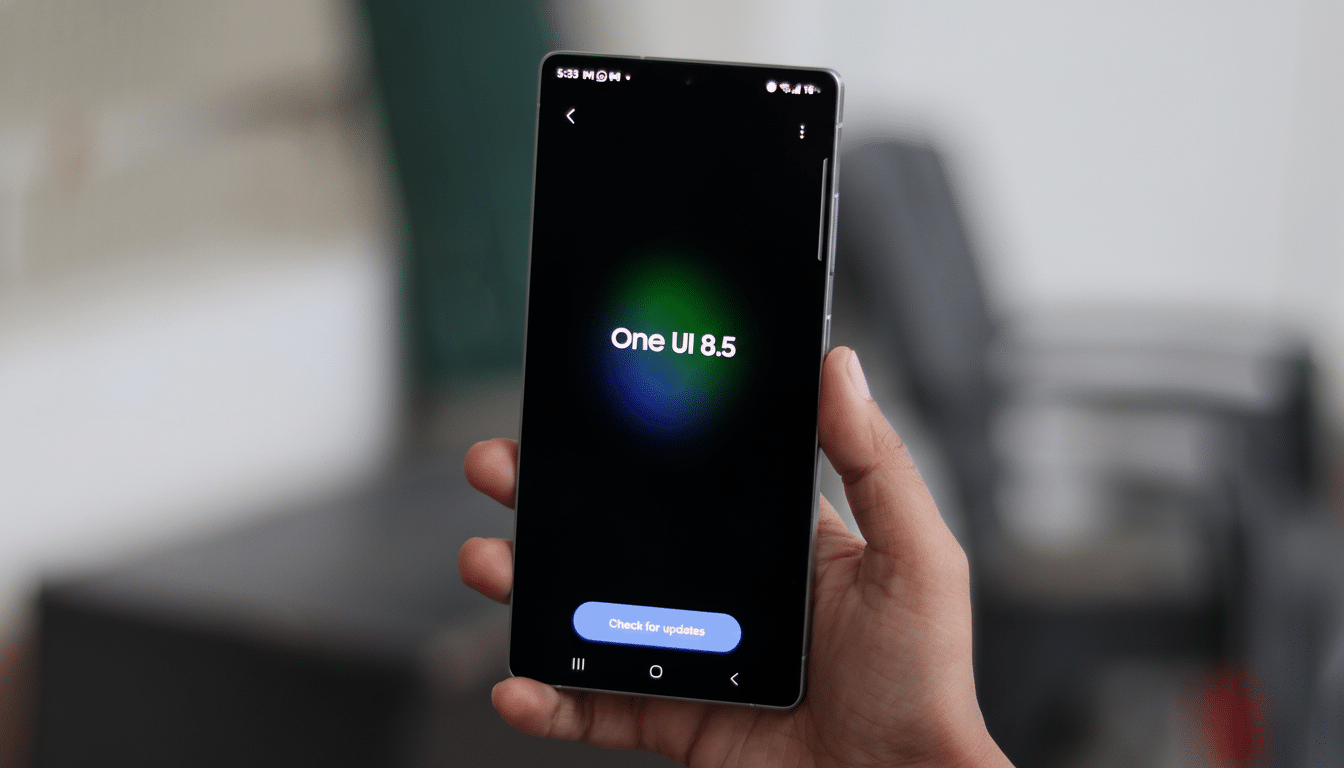
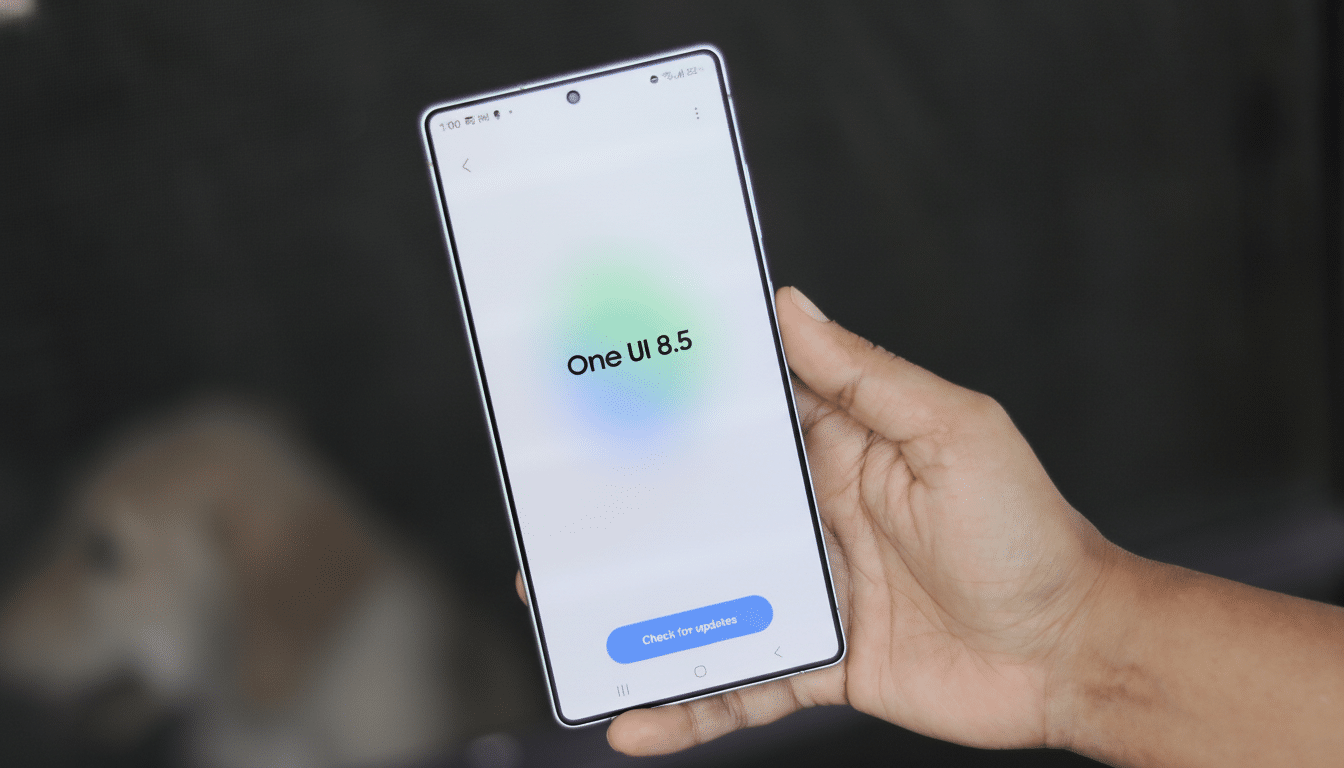
Samsung’s upcoming One UI update could bring back a file-sharing technique that many Android users thought was dead and gone. Leaked strings from a not-yet-released One UI 8.5 build hint at an experimental setting to start Quick Share by tapping two phones together via NFC — a clear shoutout to the Android Beam way of doing things that slipped through the cracks once Google did away with it in Android 10.
What the leak suggests about NFC tap-to-share in One UI 8.5
Text found in the build — as translated from Korean — mentions a “Using NFC” toggle within a Labs section and an NFC animation that appears on the sender’s device. The Labs moniker means that this is a feature people can opt into and the details might change, but the goal seems clear: bring devices into close proximity, use NFC as the handshaking procedure, then have a faster radio jump in over Quick Share to do the actual transfer of files.
This is not literally about the throughput of NFC beaming. NFC’s upper data rate maxes out around 424 kbps — perfect for authentication, not so great for the task of shifting a 200 MB video. Anticipate the tap gesture for authentication and session information exchange, at which point the system defers to Wi‑Fi Direct to do the heavy lifting that can reach over 100 Mbps in real-world conditions on modern Galaxy phones. That’s an order of magnitude faster than Bluetooth 5, which has a typical 2–3 Mbps ceiling for file payloads (per figures from the Bluetooth SIG and Wi‑Fi Alliance).
Why resurrect a retired idea for NFC-based tap-to-share?
Friction. Quick Share works pretty well from the share sheet, but a physical gesture eliminates guesswork: no searching lists, no sending to the wrong device by mistake. A tap is easy to teach, especially with a new user. Apple also leaned into this dynamic with NameDrop and updated AirDrop proximity actions: bringing two iPhones physically together causes a secure context to open. NFC is a universally available, precise, and robust trigger — even the proportion of today’s smartphone buyers seeking to avoid NFC appears not to be high due to GSMA-backed reports stating that nearly all recent flagship phones ship with NFC.
There’s also a branding advantage. Samsung and Google (kind of) combined their sharing experiences into one called “Quick Share” that works on Android and Chromebooks. Bringing back an NFC tap-to-share would give Samsung a bullet-point UX moment without fragmenting the underlying transport stack that Quick Share is already leveraging.
How NFC tap-to-share in One UI 8.5 would probably work
Imagine two Galaxy devices: the sender picks out some photos (or whatever), taps the NFC area on the recipient, and they hop through an on-screen animation that illustrates their match before beginning a transfer via Wi‑Fi Direct.
As NFC works at close range, the likelihood of sending files to the wrong person becomes lower. The technique also plays nicely with households that have multiple devices: a tap would be able to disambiguate between multiple tablets, phones, or TVs in the vicinity faster than waiting for discovery lists to appear.
When it comes to security, NFC gives you an explicit consent moment. The receiver still grants the transfer, but subsequent cryptographic session setup following the tap can mitigate against such spoofing more than with purely broadcast discovery. Enterprises disabling open discovery for compliance might wish to have a policy that allows tap-initiated sharing only for on-prem devices.
What this potential change means for Samsung Quick Share
If Samsung delivers this in One UI 8.5, you can bet on it being one of those features that debuts as a Labs toggle, not a default. The company tends to incubate features there — from display tweaks and call screening, dating back to its infancy. Tap-to-share also plays well with other proximity tech in Samsung’s lineup, including select models’ Ultra Wideband, which can help dial in specific ranges for discovery and acceptance.
The bigger story is discoverability. Consumer research firms’ surveys have long shown that a sizable percentage of users don’t tap any share menus beyond messaging apps. Behavior can be influenced via a physical act. In internal testing, platform teams across the industry say that removing even a single tap from a flow can significantly boost completion rates; having to “tap phone to phone” could be the kind of nudge Quick Share requires to feel truly instant, not technical.
Tempered expectations and the real potential of this feature
As with all leaks, plans can change. A test flag in prerelease software does not guarantee public rollout. Support for devices may be limited at launch, and the feature may require both devices to run One UI 8.5 or later. Yet the technical lift is small — NFC for the handshake, Wi‑Fi Direct for throughput — and the UX win is clear.
If Samsung does bring tap-to-share back, it’s not just wallpaper nostalgia — a hologram of old Android Beam — it’s a contemporary trigger wrapped on top of a faster, more reliable sharing platform. For the user, that means the best kind of upgrade: that which makes a well-known task feel as close to effortless as possible.