


Nvidia has apparently pressed pause on the RTX 50 Super lineup of graphics cards, informing board partners to ready themselves for (presumably) no mid-cycle refresh models any time soon. The advice, which we first saw from VideoCardz and which can be traced back to the China-based BoardChannels community, suggests a clear equation: sell-through of existing GeForce RTX 50-series cards is healthy right now, the competition at the premium end isn’t heated, and pricing on components remains high — particularly memory.
Why Nvidia Is Hitting the Brakes on Super Refresh
Nvidia’s Super refreshes have traditionally plugged price and performance gaps with single- to double-digit uplifts along with the odd VRAM tweak. This time, the purported trio — RTX 5080 Super, RTX 5070 Ti Super and RTX 5070 Super — would have bridged the staircase between the RTX 5070 Ti, RTX 5080 and RTX 5090. But when the flagship stack is running hot already, the motivation to press margins will be lessened for new SKUs.
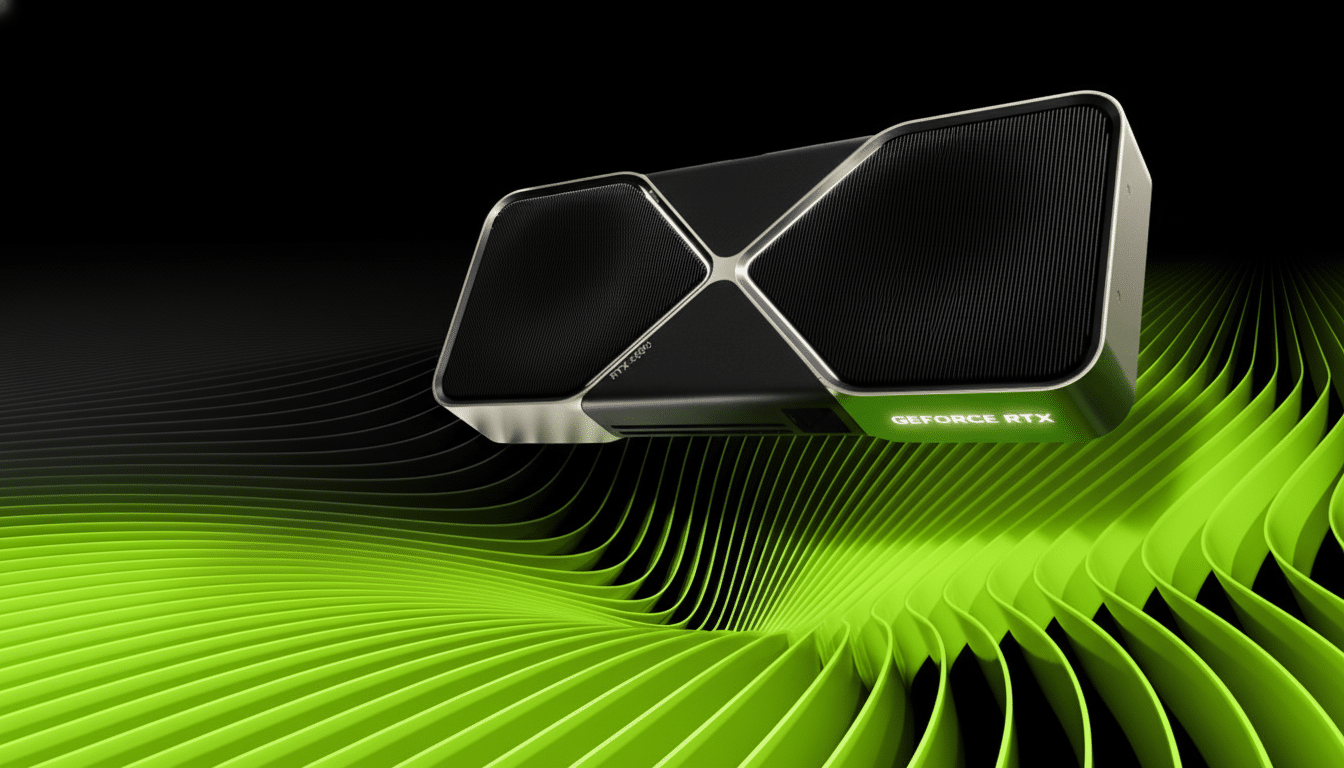
The strategic backdrop matters. Nvidia’s data center business now outpaces gaming, it told investors in recent earnings calls, leading to changes in internal priorities. And a Super refresh not only doesn’t just have to win in the benchmark, it also has to explain why engineering and validation time plus marketing promotion will make sense while simultaneously not cannibalizing existing cards that still sell at healthy premiums.
Supply Chain and Memory Bottlenecks Affecting GPUs
Memory is spreading across the industry like a bottleneck. TrendForce and other market trackers have noted both tight supplies of DRAM, as well as surging demand for high-bandwidth memory used in AI accelerators. When HBM production sucks up capacity, and foundry packaging like CoWoS is booked months in advance, it ripples into adjacent products — like GDDR7. That raises the cost for any GPU version which includes more VRAM or faster modules.
Memory is one of the most expensive items on a GPU’s bill of materials for add-in-board partners. A hypothetical “Super” with wider memory buses or greater capacities would raise BOM cost and, likely, MSRP at a time when consumers are already budget-conscious. That negates the classic Super formula of doing more with a sharper value proposition without totally resetting the stack.
Competitive Landscape and Pricing for High-End GPUs
Nvidia is under relatively little pressure at the high end. AMD’s recent RDNA 4 listings such as the RX 9070 XT have opened eyes in their lanes, but our channel checks and independent testing show that they don’t threaten the RTX 5080 (let alone RTX 5090) on raster performance or with ray tracing. AMD itself is doubling down on AI and data center silicon, meanwhile, further mitigating the need for Nvidia to have a response in enthusiast gaming at this moment in time.
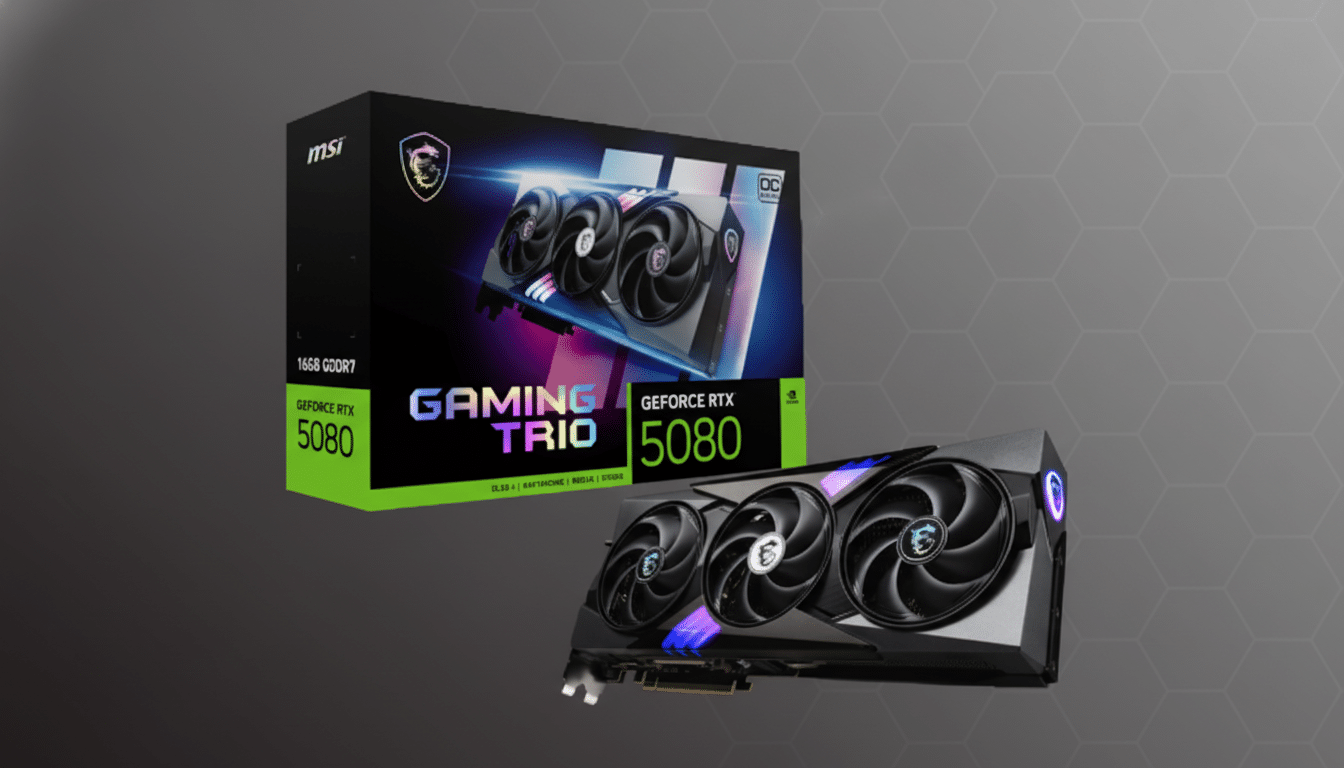
Pricing trends also make the case for not refreshing right away. DRAM is more expensive now, and board partners are still indicating that new cards will command higher average selling prices. A Super rollout usually impresses with the ability to either keep a line on MSRP or serve up obvious performance-per-dollar wins. In a growing-expense world, with no obvious rival whose heels to attack, those victories are more difficult to engineer.
What a Pause Means for Buyers and Early Adopters
For gamers, the immediate takeaway is stability. The halo and high end, meanwhile, are the RTX 5090 and RTX 5080, with the RTX 5070 Ti holding down the upper midrange. Without incoming Supers, price moves are more likely to be stuck in the boring land of seasonal promos, inventory dynamics and partner designs rather than forced positioning around new SKUs.
If you were waiting for a 5070-class Super to fill the gap till the 5080, let that wait keep getting longer. On the other hand, the absence of a mid-cycle shakeup cuts both ways: early adopter risk is lower in terms of pure performance leadership shifting at this point and what you buy today isn’t going to be leapfrogged by a tidy little refresh any time soon.
What to Watch Next for the RTX 50 Series GPU Roadmap
Three signals might change the calculus: a material AMD response at the high end; relief from memory and packaging constraints that relaxes BOM costs; or a deceleration in RTX 50-series sell-through that leads Nvidia to re-stimulate demand. Watch for partner chatter as reported by sources like VideoCardz, the Week in Graphics at TrendForce along with its DRAM and HBM outlooks, and how often the RTX 5080 and 5090 show up listed in stock with rebates.
The bottom line is straightforward. Strong sales, little heat from competitors, and a challenging memory market are just higher priorities right now than figuring out how to quickly iterate on a winner of a product. Nvidia can jolly well wait — at least for the moment, that seems to be the plan.