


One of Android’s most beloved customisation tools is about to end. Nova Launcher, the third-party home screen that has powered some of the most iconic Android device’s homescreens for more than a decade, is being shut down, and the community it played a big part in building is losing their minds over it.
For many Android owners, Nova wasn’t merely an app; it was how you made any phone feel personal, fast and predictable. Its departure represents the end of an era in the modding culture of Android.
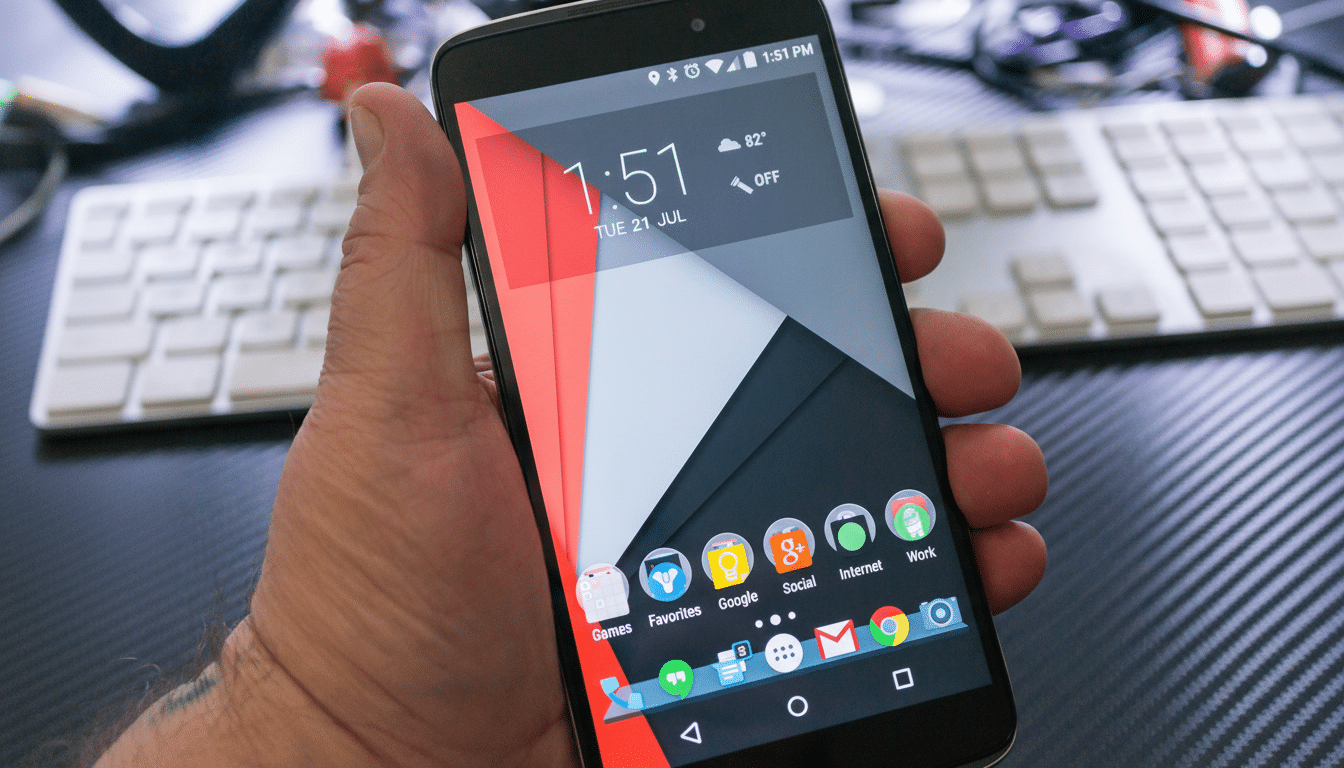
What happened to Nova Launcher
Founder and long-time developer Kevin Barry stated his departure from Branch, the analytics firm that acquired Nova Launcher in 2022, and also that development has stopped completely.
In an online note to users, Barry wrote that he was the project’s only maintainer for the last year or so and had been getting ready to open-source Nova — work that has been ceased, with no notice given for interested community members to take on responsibilities.
May, 2024 was the last stable [sic] update to Nova. The app is still installable today, but without active maintenance, it’s only a matter of time before compatibility breaks — as the Android system itself changes and as OEM skins move along, too. Barry’s departure comes after layoffs at Branch in 2024, which at the time he said left him as the only person left working on the project.
Why Nova mattered
It quickly racked up a reputation as the gold standard for Android customization from its early 2010s debut. It had been downloaded over 50 million times, according to data provided by Google Play, a heady number for a power user tool that was built largely through word of mouth and slow-burn trust.
Nova provided granular control that the likes of stock launchers rarely got close to: custom grid sizes, subgrid positioning, gesture shortcuts, icon packs and dynamic badges, per-drawer tabs and deep backup and restore.
It provided a way for enthusiasts to enjoy the same flexibility benefits of a custom ROM without the need to unlock the bootloader, and offered the average users a method to homogenize the experience across wildly different phones.
Most crucially, Nova kept up with Android’s ever-shape-shifting face—from Holo, to Material Design, to gesture navigation—at times bringing new capabilities to market faster than an OEM launcher.
It’s difficult to overestimate how many review readers, themers, and accessibility-focused users built their workflows around it.
A community says goodbye
Reaction across Reddit’s Android communities and the internet’s old-guard forums was swift — and passionate. Users were cultishly devoted to Nova, posting screenshots of their home screens that had outlived phone after phone, Nexus to Pixel, Galaxy to OnePlus, thanks to Nova’s reliable backups and its consistent feel.
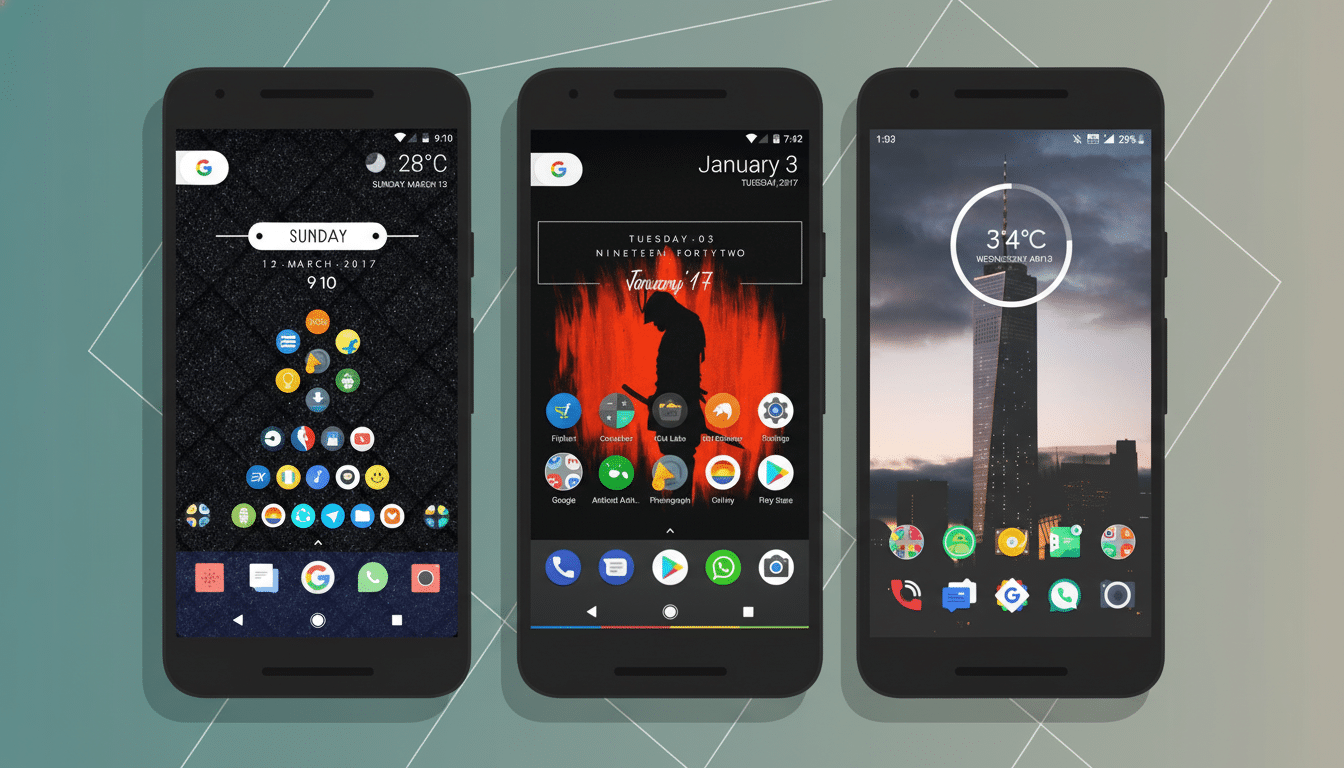
Many longtime fans cast the shutdown as an era’s end, a time when “Nova helped define Android’s identity as the platform where you can make that phone truly yours,” as one said. Barry thanked for the messages, replied to expressions of support and thought about how hard it is to move on.
The bigger challenge for third‑party launchers
Nova’s fate is a reminder of how brutal the launch business has become. System-wide changes since Android 10 — in particular gesture navigation and per-app recents integration as well as the recent apps integration — all gradually make deep customization more difficult and frail. Every big Android version change requires launchers to re-write these core behaviors with very few hooks.
Sustainability is another factor. Premium one-time purchases like Nova Prime cover development costs upfront but do not ensure enough long-term revenue to pay for several years of maintenance. With no wider team or open source safety net, the single maintainer model also has inherent risk – one person leaving, and the project is done.
What people can do now
If Nova is still working fine for you, it is not disabled immediately. The tradeoff is future-proofing and bug fixing. Before you make the switch, use Nova’s in-app backup function to export your Nova setup so you have a point of reference for the exact way everything was laid out and configured.
And as for replacements, there are several viable options still available. Lawnchair gives you an open-source option with Material You theming and a comfortable layout. Niagara is a minimalistic, one-handed list-based UI while being excellent enough to be suitable for bigger screens. Hyperion is for power users and includes a ton of theming and gesture options. Other mainstream options, such as Microsoft Launcher and Smart Launcher, come with powerful features, but don’t quite cover Nova’s full feature set.
No replacement has every feature, but by combining considered icon pack selections, gesture settings, and backup habits, you can get much of what made Nova special back. The community has already started exchanging migration tips and template layouts on the forums and Reddit.
A formative app says goodbye
Nova Launcher wasn’t only about homescreen modifications: It set the tone for what users were expecting from Android customization capabilities. Its demise is a reminder that even pillar apps can find themselves vulnerable as platforms shift and business models tighten. For millions who have customized their devices with Nova, it’s a bittersweet farewell to a tool that has reshaped their daily experience — one swipe and icon at a time.