


Nothing is splitting off its low-cost CMF brand into a separate subsidiary and will have the spin-off based in India for both R&D as well as manufacturing. The decision formalizes CMF as a standalone value brand, allowing Nothing’s core lineup to remain focused on mid-premium and design-led differentiation of devices.
As part of the plan, Nothing is establishing a joint venture with Indian original design manufacturer Optiemus and is setting its sights on over $100 million in investment over three years. The build-out would create more than 1,800 jobs and underscore India’s emergence as a global smartphone production base, the company said.
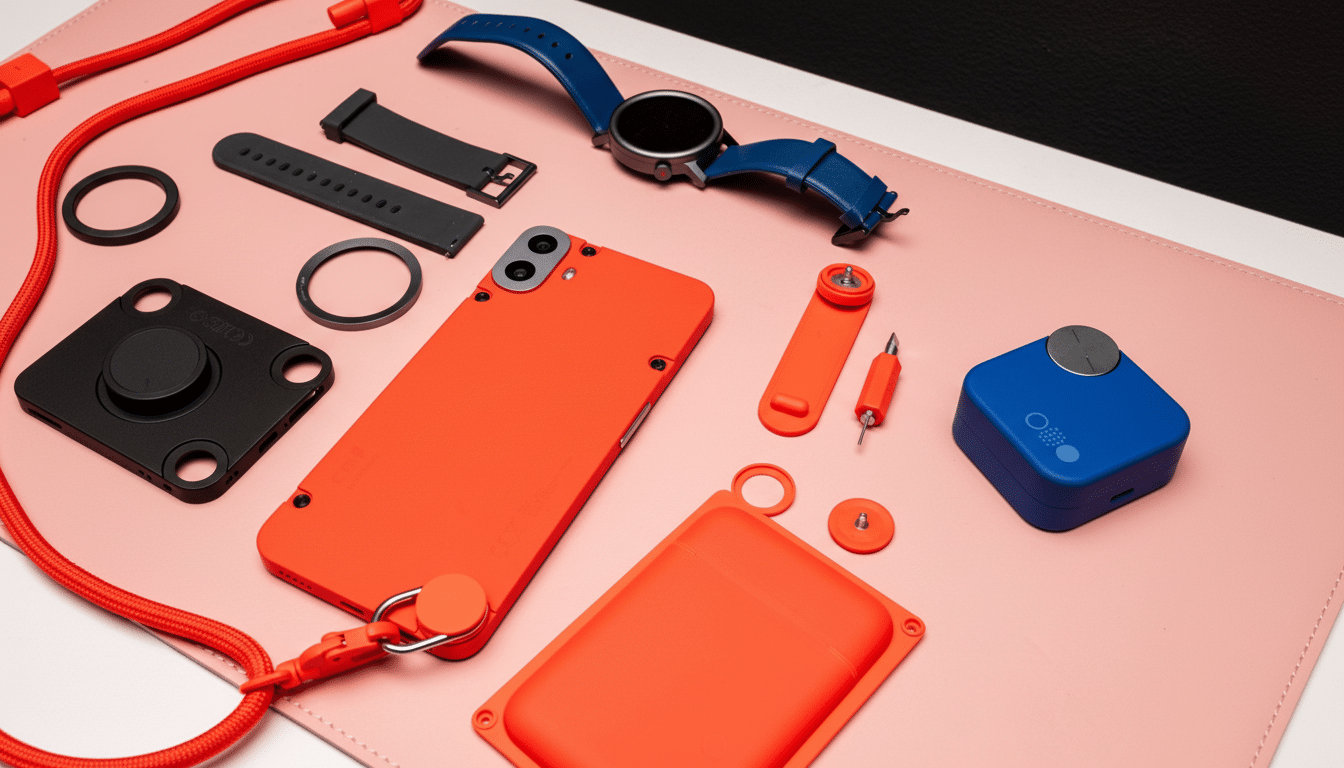
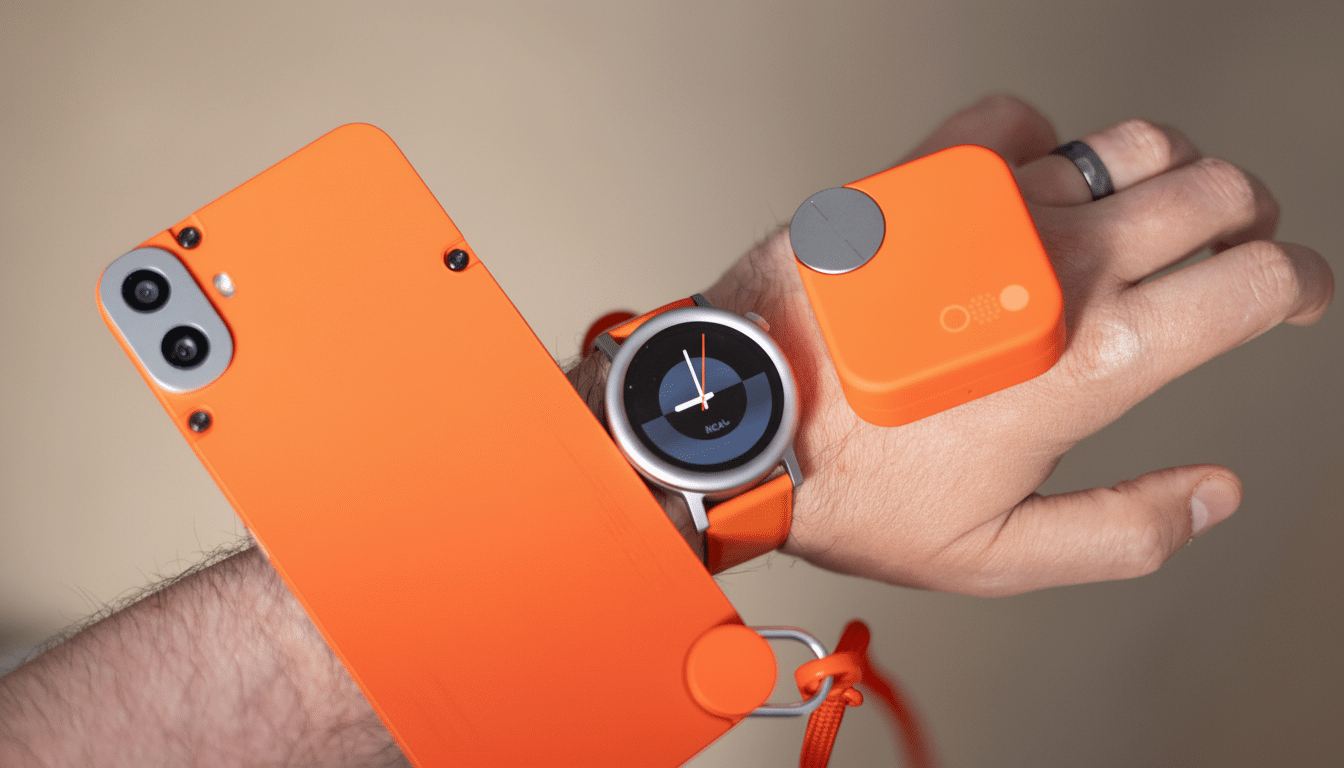
CMF debuted in 2023 with earbuds and a smartwatch, then expanded into phones slotted around the sub-$200 level. The sub-brand’s name — it stands for Color, Material, Finish — hints at a commitment to industrial design at an affordable price point, a combination that has resonated in fast-growing markets.
Why India Is the SpaceX Launchpad for CMF
India is the world’s second-biggest smartphone market and has been at the center of volumes in budget/midrange. Mid-price phones and tablets, ranging from $100 to $200, represented more than 42% of shipments in the country during the second quarter, according to IDC — a sweet spot that falls right into CMF’s pricing.
Localizing R&D and manufacturing piggybacks on a supply chain ecosystem that has been getting deeper by the year, supported both through policy measures such as production-linked incentives and a maturing base of component suppliers and EMS partners.
Across the board in India, Optiemus is a longtime contract manufacturer that offers localized tooling, procurement leverage, and faster turnaround for India-first products.
But beyond price, India requires practical engineering — long battery life, strong radios, localized software, and devices that can withstand tough conditions. Closeness to users allows for iterative speed — from tuning camera pipelines for regional social platforms to thermal tuning for hotter climates — all make a difference in a price-sensitive segment.
What the Spin-off Changes for Nothing and CMF
The spin-off structure allows CMF to have autonomy on product cadence, component choices, and go-to-market, while Nothing takes the brand equity of its $400–$600 tier in the meantime. This brand architecture is increasingly common in smartphones: Xiaomi nurtured POCO into a standalone brand, Oppo spun Realme off as the second-largest smartphone company in India by market share, and Huawei used to keep Honor on as a value-focused sub-brand until selling it off to survive Huawei’s (and Honor’s) ban from operating with any American suppliers.
Industry analysts say that detaching a value line also helps prevent the so-called “price halo” effect in which deep discounts pull consumer expectations lower across the parent brand. It also allows for different channel strategies: CMF can lean harder into offline retail, flash sales, and aggressive bundle pricing, while Nothing will maintain cleaner premium positioning with tight distribution.
Nothing recently appointed Himanshu Tandon, another former POCO India senior executive, as vice president of business for CMF — an indication that the sub-brand will operate with its own strategies and leadership. You can expect a focus on an after-sales footprint, faster warranty returns, and localized marketing — all key in their own right for low-margin hardware.
The company has also locked down new funding — a $200 million round led by the investment firm Tiger Global — though it hasn’t revealed how much will go into the joint venture. At any rate, the size of CMF’s India operations points to a bid to win multi-year component contracts and cushion currency swings, which can whipsaw entry-level pricing.
Competitive Stakes and Risks for CMF in India
CMF will encounter a seasoned field of competitors. Transsion brands rule the low end in many regions, and Samsung’s Galaxy A-series and Xiaomi’s Redmi devices are aggressive on specs per dollar. We’ve pointed out several times how the sub-$200 band is a market not based on BOM efficiency but distribution depth and service reach — areas where CMF’s India-first roots could be beneficial.
The risks are all too familiar: razor-thin margins, volatile prices of components, and feature creep that can eat away at profitability. The advantage is focus. With CMF handling high-volume products and Nothing preserving its design-led halo, the company can segment silicon choices, camera stacks, and software features without cannibalizing its core brand.
If properly executed, the model provides Nothing with a two-lane roadmap: CMF taking share in budget smartphones and wearables, with Nothing doubling down on mid-premium innovation. The Optiemus partnership — along with locally optimized R&D — is the operational fulcrum on which the outcome will pivot: whether CMF can indeed grow into an India-made, global reach brand as leaders wish.