


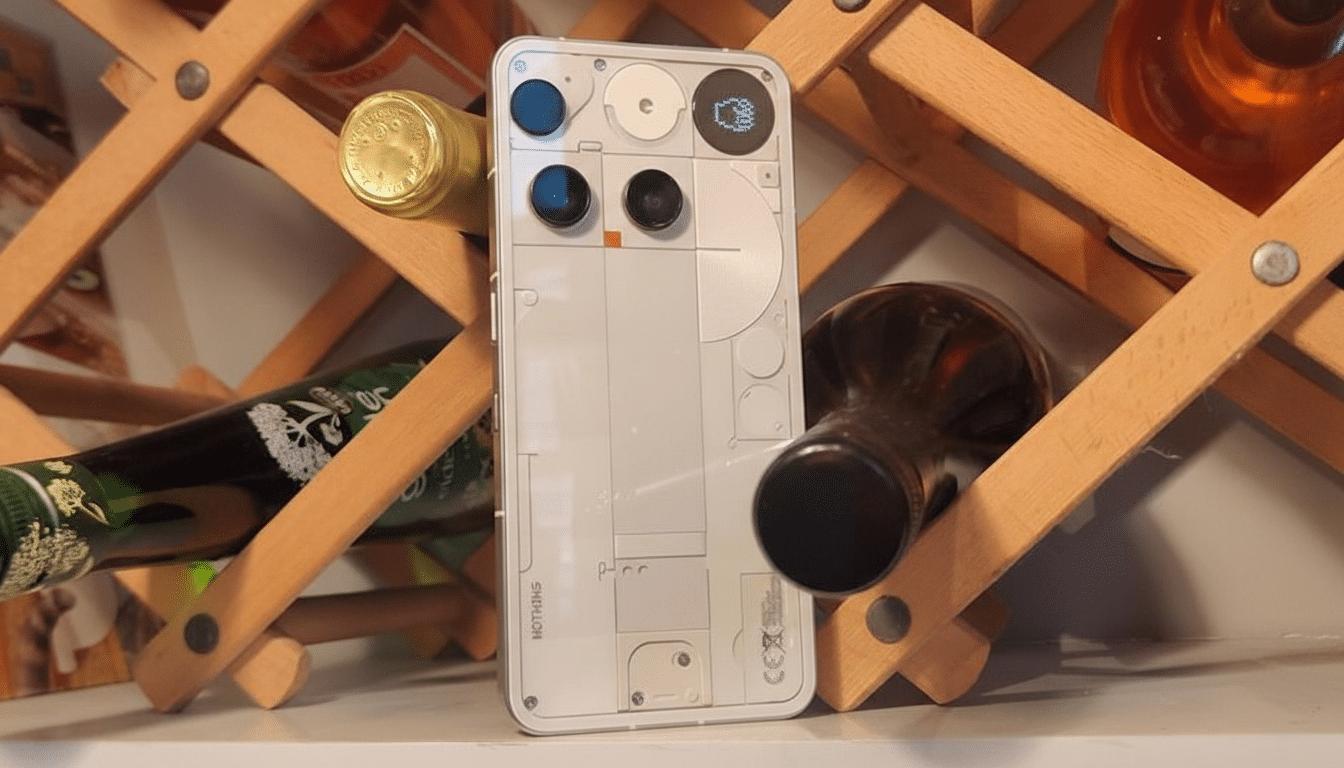
Nothing’s co-founder Carl Pei has warned that your next smartphone is likely to cost more, and that the industry’s familiar horsepower contest is winding down. The message is blunt: the era of cheap silicon is fading, and the way phones compete is shifting from raw specifications to user experience, design, and software polish.
What Nothing Is Signaling About Smartphone Pricing
Pei’s remarks point to thinner spec sheet leaps this year and a stronger emphasis on how a phone feels and functions in daily life. That aligns with Nothing’s own trajectory — prioritizing distinctive design and clean software — but the implications extend across the market. When component costs climb and performance gains taper, fewer headline-grabbing hardware jumps are inevitable.
- What Nothing Is Signaling About Smartphone Pricing
- The End Of Cheap Silicon And Rising Phone Prices
- Why The Smartphone Specs Race Has Stalled
- How Smartphones Will Compete Now That Specs Have Plateaued
- What Buyers Should Expect From The Next Phone Cycle
- The Bottom Line For 2026: Pricier Phones, Specs Mature
The End Of Cheap Silicon And Rising Phone Prices
Memory and manufacturing are driving the shift. TrendForce has tracked double-digit increases in DRAM contract prices across multiple recent quarters, with NAND flash also rebounding sharply as suppliers tighten output and prioritize profitability. That memory is essential: more RAM and storage were the easiest ways to pad spec sheets — and keep costs predictable — until prices snapped back.
Foundries are another pressure point. With red-hot demand for advanced nodes fueled by AI and high-performance computing, wafer pricing has firmed and capacity allocation has become more selective. Smartphone chipmakers such as Qualcomm and MediaTek have already slowed their annual performance leaps, favoring efficiency and integrated AI features over brute-force upgrades that would require pricier, scarce production slots.
The macro picture isn’t helping. Supply chains are more resilient than they were a few years ago, but logistics, energy, and compliance costs remain elevated. Research firms including IDC and Counterpoint have noted that global smartphone shipments have been relatively flat while the premium segment expands, pushing average selling prices higher even before the latest memory surge.
Why The Smartphone Specs Race Has Stalled
Hardware has hit the point of diminishing returns for most buyers. Once displays reached high refresh rates, cameras adopted large sensors with advanced stabilization, and batteries stabilized around 5,000mAh, year-on-year improvements became incremental rather than transformative. Thermal limits and power efficiency cap how much extra CPU/GPU muscle can be used without hurting battery life or comfort.
Camera marketing tells the story: 50MP vs. 64MP vs. 108MP means little without better optics, sensor quality, processing, and tuning. Similarly, going from 12GB to 16GB of RAM doesn’t guarantee a smoother phone if software is bloated or poorly optimized. The headline numbers no longer map cleanly to real-world gains.
How Smartphones Will Compete Now That Specs Have Plateaued
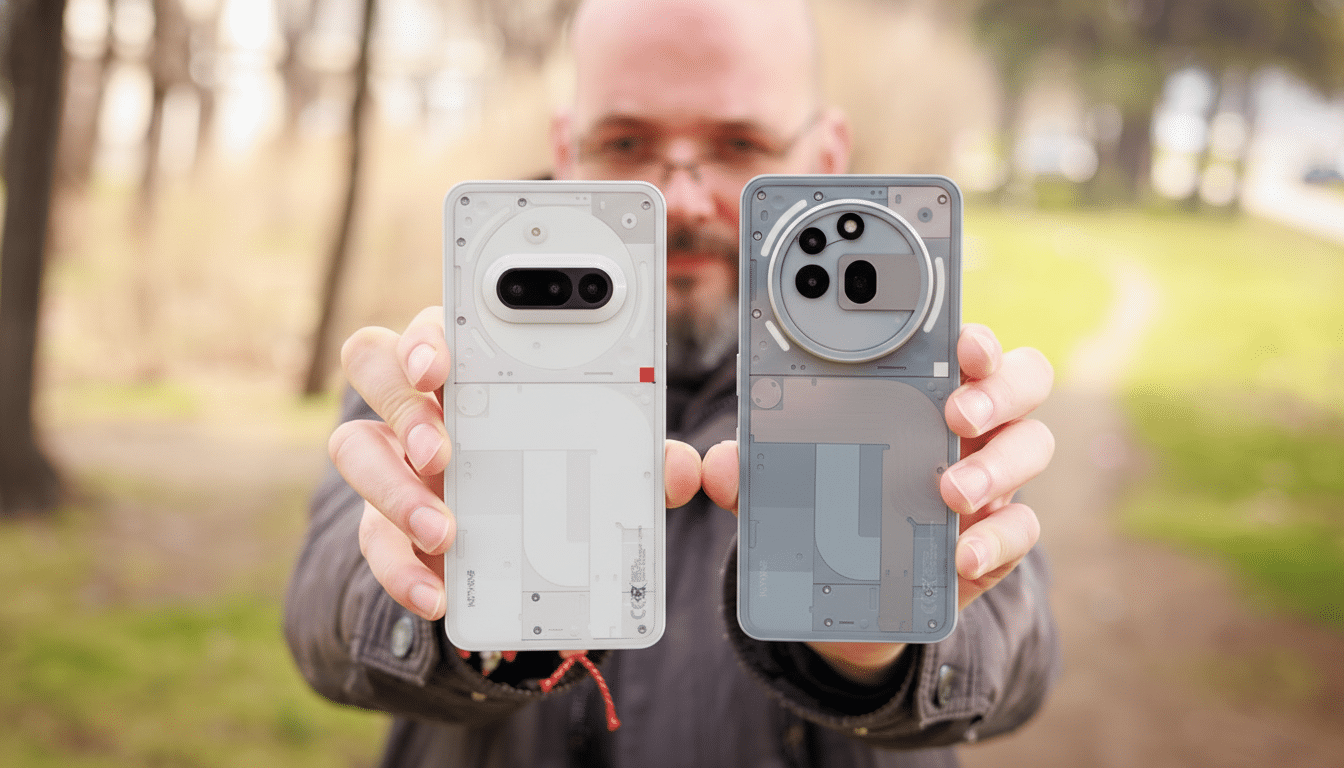
Expect brands to differentiate with experience rather than sheer specs. That means tighter software-hardware integration, on-device AI features that actually shorten tasks, and more thoughtful design. Apple has long leaned on ecosystem cohesion. Google’s Tensor platform pushed AI-driven photo and voice features. Samsung raised the bar on longevity with extended update commitments, signaling that support cycles — not only chip speeds — win loyalty.
Nothing’s path likely doubles down on identity and interface: distinctive hardware language, a lightweight Android skin, considered haptics, and focused features that feel personal rather than piled on. Smaller brands, however, face a tougher climb. Without the economies of scale enjoyed by Apple, Samsung, or Xiaomi, higher component costs hit margins faster, often forcing price increases or conservative hardware bills of materials.
What Buyers Should Expect From The Next Phone Cycle
Prices will nudge up, while spec sheets may show modest year-over-year movement — or even strategic step-backs on items like RAM tiers or auxiliary cameras. The trade-off should appear in areas that matter daily: faster, longer updates; smarter assistant features handled on-device; steadier camera performance across lighting conditions; and improved durability and repairability.
Watch for clearer value at stable price bands. Instead of chasing the biggest numbers, brands may bundle more base storage, streamline variants, or offer stronger trade-in and financing. Counterpoint Research has observed a growing share for premium devices, but the midrange remains fiercely competitive; delivering a genuinely polished experience at $300–$500 could decide the winners of this cycle.
The Bottom Line For 2026: Pricier Phones, Specs Mature
If you’re eyeing an upgrade, prepare for slimmer hardware leaps and higher sticker prices — and evaluate phones by experience, not just numbers. Nothing’s warning is less a marketing line than a read on industry economics: with memory costs up, foundry capacity tight, and performance gains plateauing, the next wave of smartphones will compete on feel, longevity, and software finesse. In other words, the spec race isn’t ending in defeat; it’s ending in maturity.