


Nothing’s next midrange contender appears to be edging toward release. A new listing from the UAE’s Telecommunications and Digital Government Regulatory Authority confirms the Nothing Phone 4a’s approval, a procedural step that typically signals the device is entering the final stages before market availability.
The certification, spotted by X user @ZionsAnvin, identifies the model as A069. That aligns neatly with an IMEI database entry for a companion model tagged A069P, widely believed to be the Phone 4a Pro. While the TDRA entry does not reveal specifications, the pairing of model numbers strongly suggests a two-device strategy aimed at the same value-focused tier.
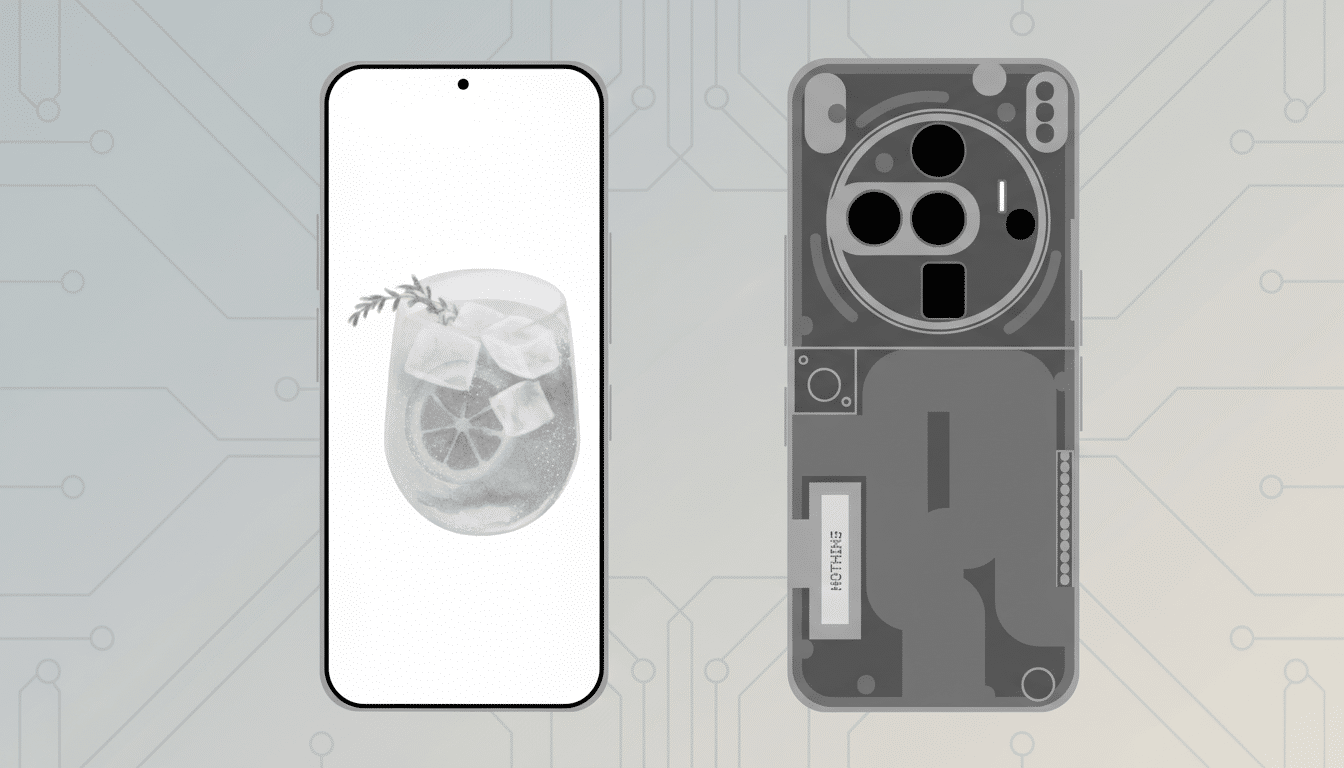
What the TDRA filing confirms about launch timing
Regulatory clearances like TDRA generally arrive shortly before a product hits shelves, following other back-end milestones such as IMEI registration and component approvals. In the smartphone playbook, that cadence often precedes retail by weeks rather than months, particularly for brands that launch across multiple regions in quick succession.
The A069 identifier is noteworthy beyond simple housekeeping. Nothing has been consistent about using contiguous model codes for standard and Pro variants, and the A069/A069P pairing fits that pattern. Expect further breadcrumbs to surface from agencies such as India’s BIS, Thailand’s NBTC, or the US FCC as the rollout nears.
Rumored hardware and variants for Nothing Phone 4a
Early leaks point to a Snapdragon 7s-series chipset for the Phone 4a, positioning the device as a performance step up from entry-level silicon while keeping thermals and power draw in check. A configuration with 12GB of RAM and 256GB of storage has been mentioned, which would be generous for the segment and dovetail with Nothing’s recent habit of punching above its weight on memory.
Colorways reportedly include blue, pink, white, and black, giving the line a playful spread that complements the brand’s transparent design language and signature Glyph lighting. The Pro model is expected to add eSIM support, while the standard 4a may skip it. That split would create meaningful differentiation without fragmenting the core experience.
None of this is official yet, and certification documents rarely spill component-level details. Still, the rumored parts list aligns with Nothing’s approach: lean software, a distinctive look, and carefully chosen hardware that keeps the price-to-performance ratio tight.
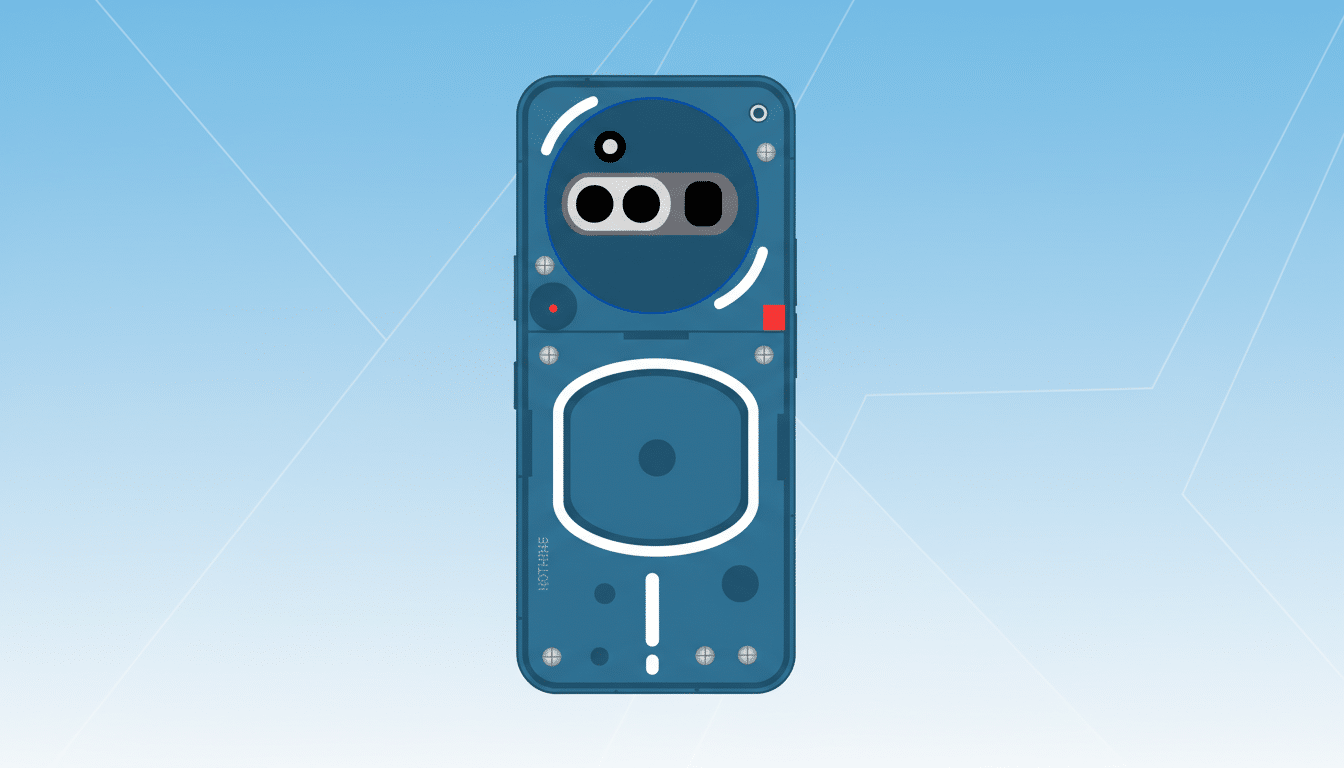
Price outlook and competitive landscape in the midrange segment
Indicative pricing places the Phone 4a around $475, with the 4a Pro hovering near $540. If accurate, the 4a would land squarely in the sweet spot occupied by devices like the Google Pixel 8a and Samsung Galaxy A55, where camera quality, software longevity, and display polish tend to define winners.
Analyst firms such as Counterpoint Research and IDC have highlighted sustained demand in the mid-tier as buyers look for flagship-like features without premium price tags. In this band, small advantages—faster storage, an extra memory tier, or eSIM flexibility—can sway purchasing decisions. Nothing’s minimal bloat and clean interface add another lever, while the brand’s design identity remains a differentiator on retail shelves.
At the rumored price, the 4a Pro’s eSIM and potential spec bumps could appeal to frequent travelers and power users, while the standard 4a would target mainstream shoppers seeking style and solid performance. Either way, the lineup aims to pressure incumbents by undercutting or matching them on price while competing on experience.
What to watch next before the Nothing Phone 4a launch
With TDRA certification secured, the next signals to watch include battery and charger approvals from labs like TUV Rheinland, additional regional certifications, and retail database appearances that often precede launch marketing. Software clues—such as a new Nothing OS build circulating among testers—could also hint at timing.
For now, the trail of official filings and model numbers is the clearest indication that Nothing’s a-series refresh is near. If the company sticks to its playbook, expect a tight focus on design, a clean Android skin, and pricing calibrated to make the decision between the 4a and its Pro sibling a genuine toss-up.