


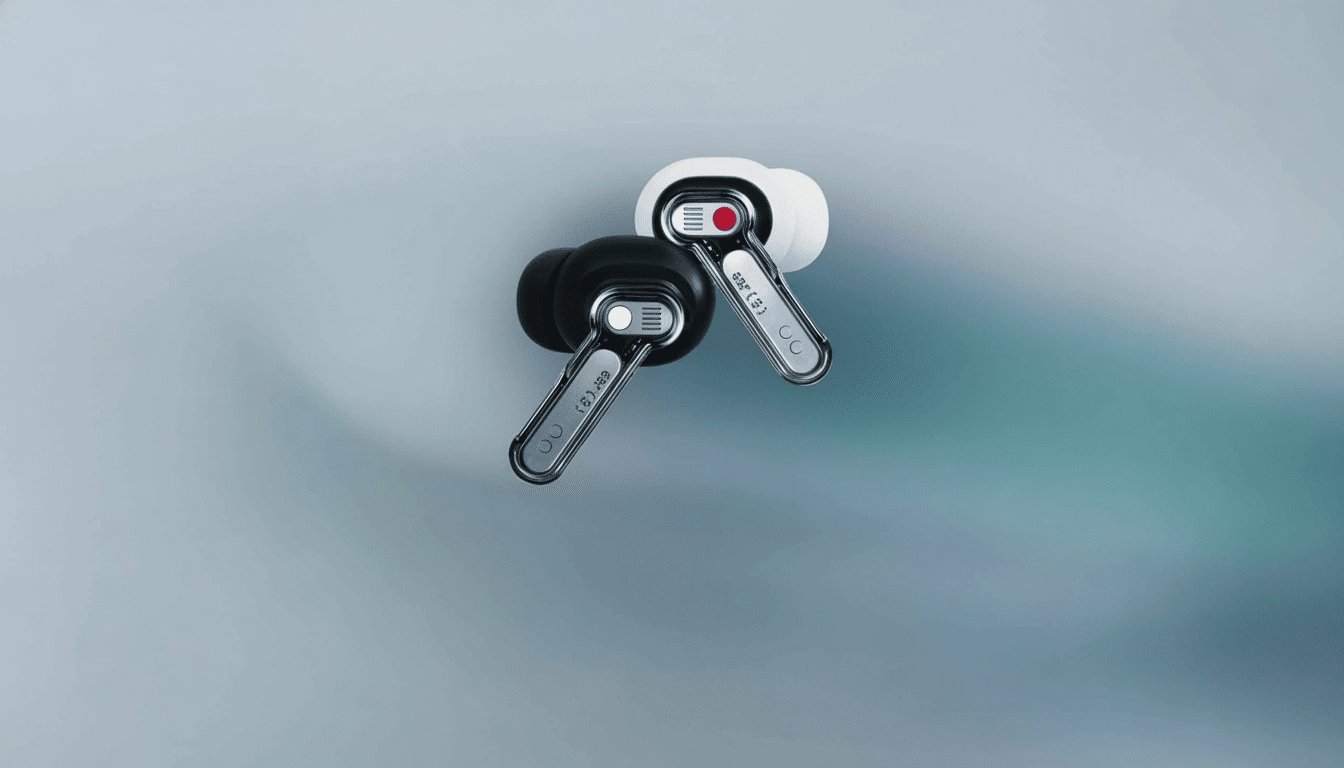
No title has been confirmed for its next wave of flagship true wireless earbuds, which is known as the Ear (3). The company promises more info soon, but for the time being it’s keeping specs, pricing and full feature lists a secret. If the timing is right, the Ear (2) has simply sold out, signaling a passing off to the next one.
For NothIng’s faithful, who revere the brand’s transparent hardware and clean software, this is the most eagerly awaited refresh on Nothing’s near-term audio roadmap. If you absolutely cannot wait for official information, the company is communicating news through its newsletter and social channels.
What Nothing has confirmed
Formally, Nothing has named the product, which is Ear (3), while also confirming that we’ll be seeing more of it soon. A company spokesman said additional information will come when the announcement hits, but declined to provide specs, features, or pricing guidance ahead of the announcement.
This mum’s-the-word treatment is typical of Nothing’s recent launches, where the tease phase heats up the crowd and the hardware and story of software delivers in a single, laser-focused explosion.
How Ear (3) fits Nothing’s lineup
Ear (3) willbecome the brand’s flagship earbuds, positioned above the budget-friendly Ear (a), which was introduced as a colorful value-first option for $99. Sitting above the earbud line, the over-the-ear Headphone (1) headlined the range at $299 with confident active noise cancellation (ANC) and a standout design.
With Ear (2) out of stock, there’s hardly any need to note that, yes, Ear (3) is the obvious beacon for Nothing’s most recent acoustic tuning and design cues.
Expect it to focus on the premium mid-tier, which has traditionally been the space between the original Ear’s $149 price point and the brand’s $299 over-ears, though Nothing has not released a figure at this point.
Features to look for, based on previous models
Nothing’s latest earbuds have been built on three particular pillars: striking transparent design, sound active noise cancellation and a suite of considerate app features. Ear (2) introduced adaptive noise control, multipoint Bluetooth, personalized hearing profiles, and support for high-definition codecs, such as LHDC. Ear (a) distilled that playbook into a wallet-friendlier package with punchy tuning and playful colors.
Carrying that history forward, Ear (3) is probably going to highlight a bump in ANC performance, better mics for clearer calls from windy or noisy city streets and stability updates for multipoint and low-latency modes. A smol case with wireless charging, resistance to water/sweat, and the existence of granular EQ in the Nothing X app would fit right in with the company’s offerings.
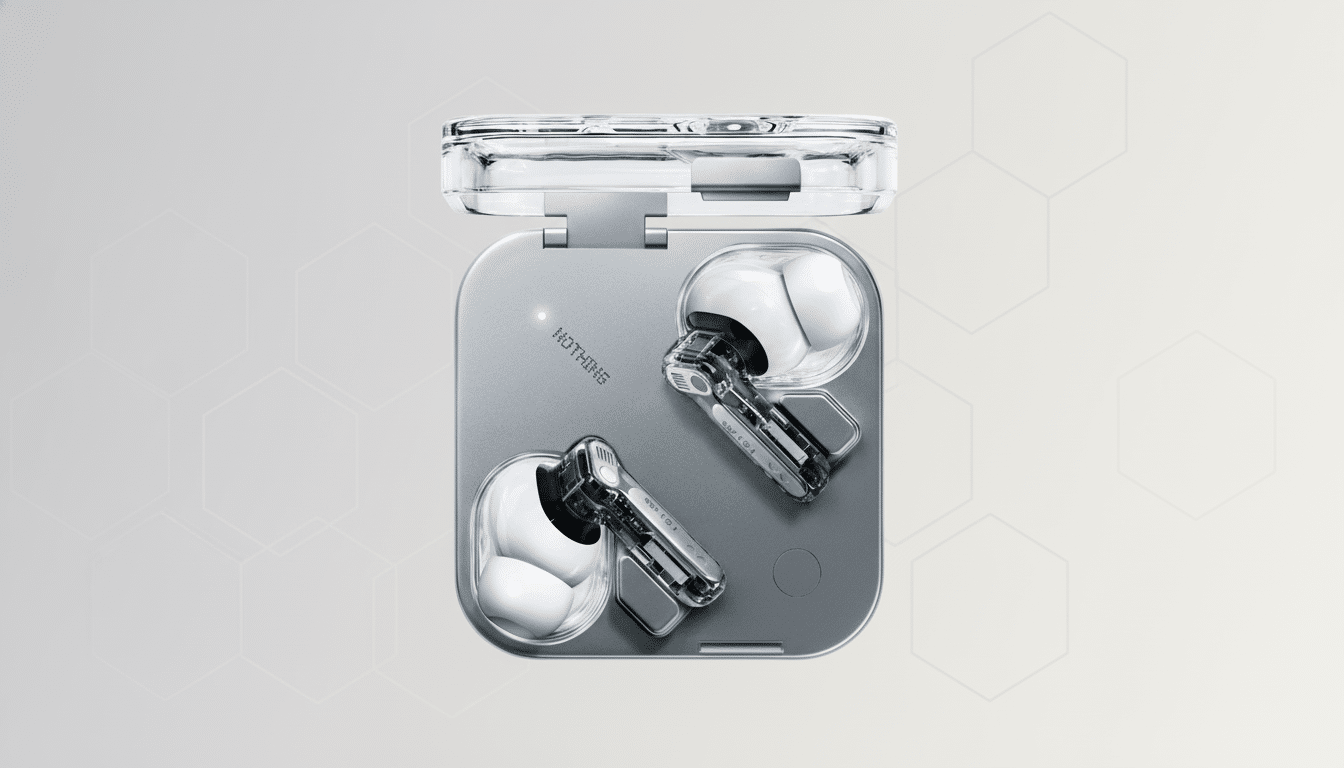
We should have realistic battery expectations: previous Nothing buds have offered all-day mixed use with the case, fast top-ups and sensible power management. Comfy nozzles, grip security and an ear tip seal test on the app would round out the commuter and gym rats’ essentials.
Competitive context
Ear (3) will join a packed tier led by Apple’s AirPods Pro, Sony’s WF-1000XM5, Bose’s QuietComfort Ultra Earbuds and Google’s Pixel Buds Pro— which have become the bar in ANC finesse, voice mic clarity and swanky device switching. What Hi-Fi? reviewers and those at publications such as What Hi-Fi? and Rtings have previously commended Nothing’s tuning and industrial design while criticizing call isolation and wind handling, issues that many earbuds-not just Nothing’s-also confront.
Industry trackers like IDC are still seeing that there’s growth in TWEs, the largest portion of the personal audio market, with consistent year-over-year growth. In practical terms, that means buyers now expect premium features to filter down rapidly: strong ANC, high-quality Bluetooth codecs, trustworthy multipoint and comfort that holds up to the duration of long sessions.
Pricing and availability outlook
Nothing did not reveal price or on-sale timing. If the current lineup includes Ear (a) at $99 and Headphone (1) at $299, Ear (3) would logically fall between those two bookends. The original Ear sat at $149, and a lot of the best competition is within the $199 to $299 space.
Colorways could be a differentiator. The brand’s see-through styling has assumed a signature status, and the rich colours on show with Ear (a) suggested an appetite for more exaggerated finishes. What the flagship does — whether it follows suit or stays in subdued black and white — will speak volumes.
What to look for at the unveiling
Three signals will tell us just how ambitious Ear (3) is: a step-change in ANC and mic performance; support for next-gen wireless standards like Bluetooth LE Audio with LC3; and endurance gains without a bulky case.
Keep an eye on codec support (LDAC or LHDC), dust resistance ratings for day-to-day durability, and what Nothing is doing to combat gaming latency.
Nothing says more information is coming soon. For a first look at specifics when the curtain is raised, the company suggests signing up for its newsletter and monitoring its official channels.