


Nintendo has a new all-time champion. In its latest earnings materials, the company confirmed that the original Nintendo Switch family is now the highest-selling console line in its history, edging past the Nintendo DS and cementing a legacy built on a simple idea that changed how people play: take the same system from the TV to the train without missing a beat.
Switch Overtakes DS With 155 Million Units
According to figures posted on Nintendo’s investor relations site and echoed by industry coverage from outlets such as IGN, cumulative Switch sell-in has reached roughly 155 million units. That lifts it above the DS family’s long-standing total of about 154 million, a mark many once thought untouchable given the DS era’s global dominance and broad appeal from children to grandparents.
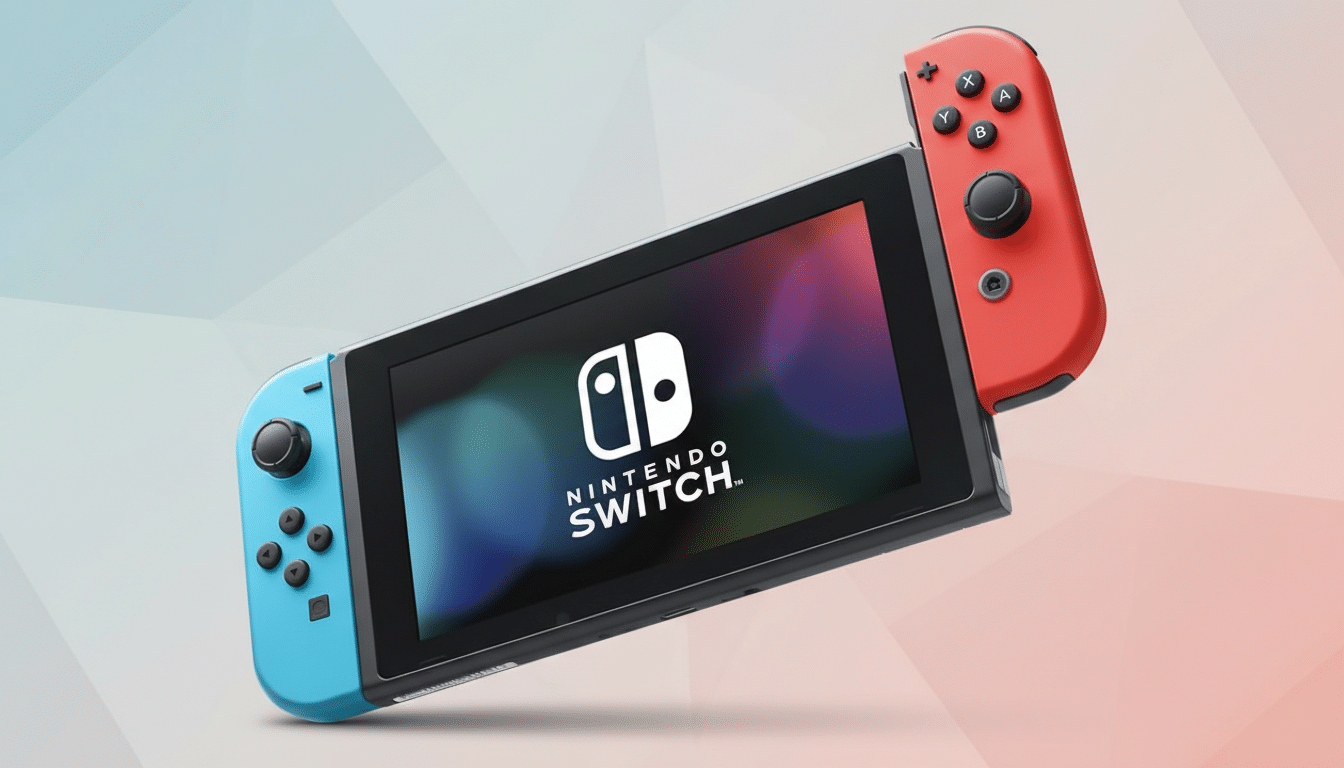
Importantly, Nintendo counts the entire Switch family—original model, handheld-only Switch Lite, and the OLED edition—toward that total. Those iterative models extended the system’s commercial life well beyond a typical console cycle and kept the hardware relevant for new buyers even as the platform matured.
PS2 Still Leads The All-Time Console Sales Chart
Despite the milestone, Switch is not the best-selling game console ever across the entire industry. That title still belongs to Sony’s PlayStation 2, which sits at around 160 million units. Whether Switch can close that final gap depends on how long Nintendo sustains production and how quickly the market pivots to its successor. History shows that long tails are possible—PS2 continued selling for years on the strength of its library and DVD player utility—but balancing demand for a new device can shorten that window.
Hybrid Design And Evergreen Hits Powered Growth
Switch’s ascent rests on two pillars: form factor and software. By unifying handheld and home console development into a single hybrid platform, Nintendo concentrated its first-party output instead of splitting teams between separate devices. The result was a consistent cadence of tentpole releases that kept hardware selling through year after year.
Those releases weren’t just frequent—they had extraordinary legs. Mario Kart 8 Deluxe continues to rank among the world’s best-selling games with over 60 million copies sold, per Nintendo’s published totals. Animal Crossing: New Horizons crossed 40 million on the back of social play and a well-timed at-home surge. The Legend of Zelda: Tears of the Kingdom topped 20 million within its first year, underscoring the franchise’s global pull. These evergreen titles, paired with a robust indie ecosystem, delivered the steady engagement most platforms can only envy.
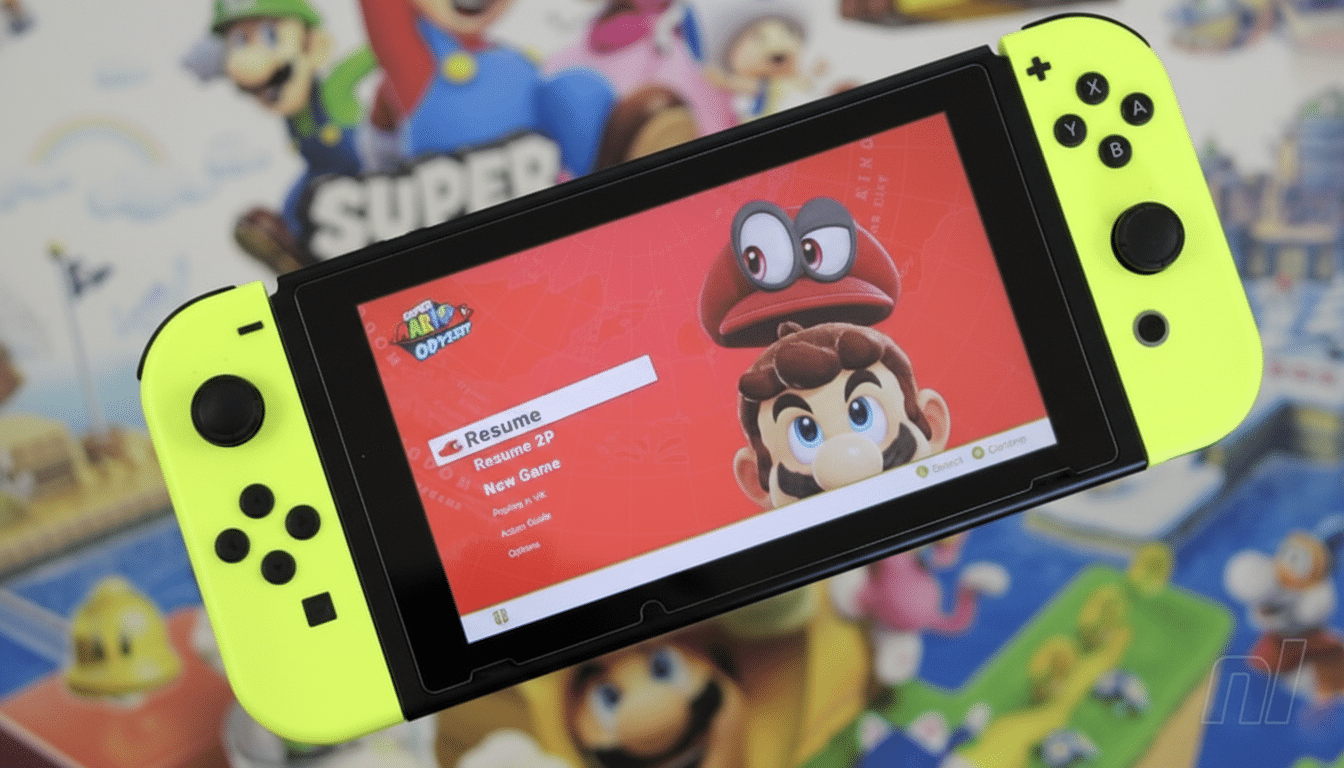
Hardware iteration also mattered. Nintendo has noted in recent reports that the OLED model has represented the majority of annual Switch sales, a sign that premium displays and slightly improved ergonomics can stimulate upgrades without fragmenting the base. Meanwhile, the more affordable Switch Lite brought younger and handheld-first players into the fold, expanding the addressable audience.
Context After Wii U And A Model For Risk Taking
The triumph looks even starker when contrasted with the Wii U, which sold roughly 13.5 million units lifetime. That misstep could have chilled ambition. Instead, Nintendo bet that a “play anywhere” proposition could align with modern habits—and it did. Market trackers like Circana have repeatedly highlighted Switch’s remarkable longevity in monthly U.S. rankings, and Japanese sales data from Famitsu charted years where Switch effectively dominated weekly hardware tallies.
What It Means For The Next Hardware Cycle
Nintendo has already begun pointing to the future while celebrating the present. The company said the follow-up—commonly referred to as Switch 2—has cleared 17 million units in less than a year, instantly eclipsing Wii U’s lifetime total. That early momentum suggests a smoother generational handoff, with Switch likely to remain on shelves as a lower-priced entry point while the newer system courts early adopters and core fans.
For players and partners, the takeaway is continuity. A unified audience, a library stacked with evergreen sellers, and a proven appetite for hybrid play give Nintendo leverage to maintain support across generations. If the company executes a measured transition—keeping beloved franchises active and ensuring a simple upgrade path—Switch’s late-stage sales could continue humming even as the successor ramps, leaving open the question of whether it can catch PS2’s all-time mark.
Bottom Line: The Switch’s Historic Milestone Today
From a risky reinvention to the top of Nintendo’s leaderboard, Switch turned a clear vision into historic results. The formula—flexibility, steady first-party hits, and smart hardware refreshes—now reads like a playbook. However the next chapter unfolds, the hybrid era has already delivered Nintendo’s biggest win.