


The question that remains for holiday wish lists is a simple one: Is it worth it to splurge on the new Nintendo Switch 2, or will you want to save with the original Switch? The Switch 2 guarantees better graphics, a larger display and modern conveniences, but it’s also the most expensive Nintendo hybrid yet. So here’s how to pick the right one without buyer’s remorse, after we evaluate what has changed and what hasn’t.
Price and value considerations for holiday shoppers
The Switch 2 is riding in at $449.99, with the bundles ascending as high as $499.99 if you want marquee titles like Mario Kart World or Pokémon Legends Z-A attached.
- Price and value considerations for holiday shoppers
- Design and portability across both Nintendo consoles
- Displays compared on Switch 2 and original models
- Performance on TV and handheld play compared
- Battery life reality check for on-the-go gaming
- Storage and memory cards for Switch and Switch 2
- Controllers and notable new features on Switch 2
- Backward compatibility and upgrade paths explained
- Exclusives and the 2025 outlook for Switch 2 games
- Who should buy which model based on your priorities
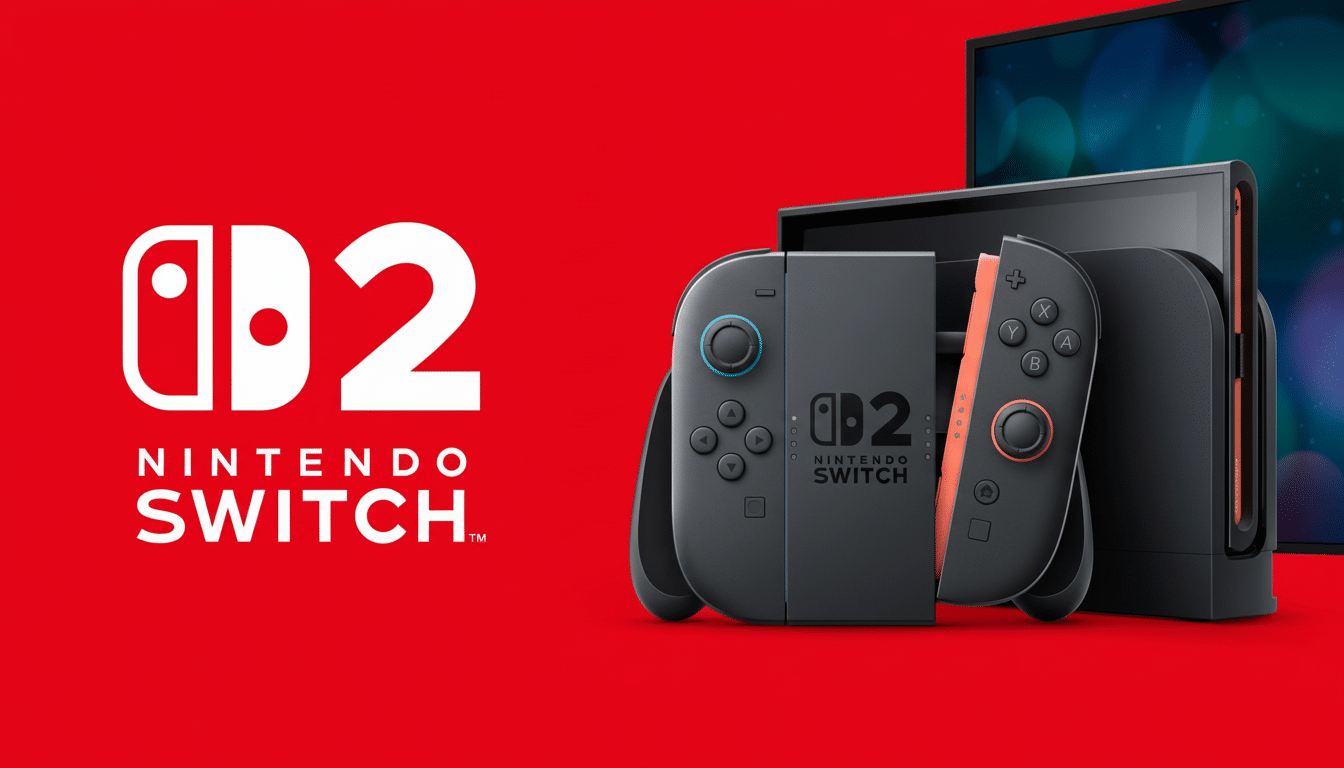
The original family is less expensive: the default Switch usually costs $339.99, the Switch OLED model $399.99 and the handheld-only Lite model $229.99. Accessories have also crept up, with the Switch 2 Pro Controller at $89.99 and Joy-Con 2 costing $99.99 a pair.
Memory costs and volatile components aren’t helping. Meanwhile, analysts at TrendForce have reported double-digit increases in DRAM prices because of demand for AI that can have a knock-on effect down into consumer devices. Bottom line: Switch 2 edges closer to PlayStation 5 and Xbox Series X territory on price; the value will depend upon how much you’ll use its upgrades.
Design and portability across both Nintendo consoles
That hybrid DNA — offering a mix of portable gaming combined with the typical home-console experience when connected to a television or other display — is also left intact by Nintendo, and that’s probably for the best. Both consoles feature a tablet-style system that can be played on the go or plugged into a dock for playing on the TV. The Switch 2 is a bit bigger and a few ounces heavier with attached controllers, but it still feels comfortable in the hand for extended play, and fits into most of your old carry cases.
Displays compared on Switch 2 and original models
The new screens on the Switch 2 measure 7.9 inches and can now display text at 1080p (it was about 720p across all text boxes on the original model) and run games at up to 120Hz. Next to the original Switch’s 6.2-inch, 720p panel, it’s a slam dunk. If not, compare the Switch 2 to the 7-inch Switch OLED, where you will instead be trading the OLED’s inky contrast for a higher resolution, faster refresh, and dramatically increased brightness. Unless you’re a sucker for OLED’s inky black tones, the Switch 2’s screen is just the best all around.
Performance on TV and handheld play compared
This is one area where the Switch 2 feels generational. Docked, games now have the ability to target 4K60 or 1080p120 (varying by title and settings), a significant increase over the original Switch’s best-case ceiling of 1080p60. Look for sharper image quality, steadier frame rates and faster loads. Open-world showcases in particular may not hit those top-end numbers with every game, but the uplift is undeniable on a modern TV.
Battery life reality check for on-the-go gaming
That trade-off for speed and screen tech shows up here. The Switch 2 features battery life ranging from 2 to 6.5 hours, depending on the game. That’s in line with the launch Switch at the low end but behind some of the more efficient models: the refreshed LCD Switch and the Switch OLED have consistently performed between 4.5 and 9 hours. Regular travelers may also want to bring a power bank.
Storage and memory cards for Switch and Switch 2
The 256GB internal storage of the Switch 2 is a godsend if you tend to download games. On the other hand, the original Switch had 32GB and the OLED has just 64GB, so memory cards are almost a necessity. One caveat: Switch 2 does support microSD Express for maximum speed, so check to make sure your card is supported before you trade up.
Controllers and notable new features on Switch 2
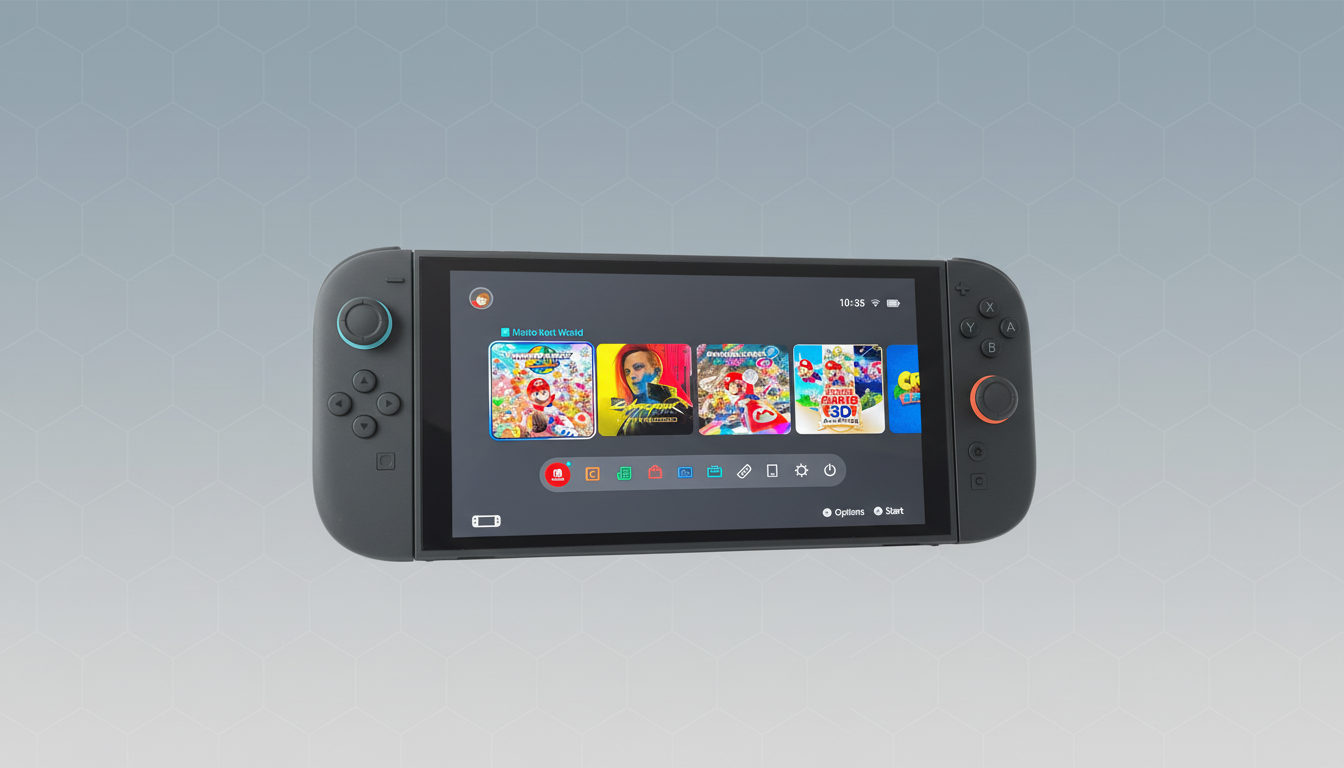
Joy-Con 2 retains that comforting layout, but with slightly larger sticks and a clever trick: optical sensors on the rails allow for mouse-like aiming in supported games, delivering surprising precision for shooters and first-person adventures. The right controller adds a new C button for GameChat, and paired with the console’s built-in mic you finally get integrated voice chat without needing to use a phone app.
Backward compatibility and upgrade paths explained
Switch 2 will play practically all Switch games, be they on game cards or from your eShop library. Some games get tiny performance boosts without the developer lifting a finger; others are patched with “Switch 2 Edition” updates introducing 4K60 or 1080p120 play, tweaked controls and even the odd piece of new content. There will be some $10 upgrade fees, although certain upgrades do come included with Nintendo Switch Online + Expansion Pack.
Subscribers are in for a much larger treat: Switch 2 brings GameCube classics to the service lineup, so that popular hits such as “F-Zero GX,” “Soulcalibur II” and “The Legend of Zelda: The Wind Waker” come with it. Those won’t show up on the NSO app for the original Switch.
Exclusives and the 2025 outlook for Switch 2 games
Anticipate an increasing roster of Switch 2-exclusive releases. The Donkey Kong Bonanza and Mario Kart World are the next-gen flagships, whilst cross-gen tentpoles like Metroid Prime 4 Beyond and Pokémon Legends Z-A are still on the way. Third-party titles that are asking for more horsepower — RPG remakes on a huge scale, and visually ambitious action games, for example — are more likely than before to pass over the older Switch.
Who should buy which model based on your priorities
Pick the Switch 2 if you game on a 4K TV, desire handheld greatness and better battery life, prioritize higher frame-rate targets above 60fps (get ready for that GameCube emulation), or intend to play Switch 2 exclusives (sorry, proud basic-model holdouts).
For me, it’s the undeniable performance king with contemporary quality-of-life tweaks, despite the battery drain.
Stick with the original Switch or get a Switch OLED if you’re on a budget, mostly play on the go or want it for OLED’s contrast and stronger battery. And with an immense library — more than 139 million lifetime sales of the Switch have been reported in Nintendo’s financials — the ecosystem is alive, and support for cross-gen persists through major releases.
If your budget is flexible and you are buying a console to last several years, the Switch 2 is the right purchase this holiday. If you’re giving your SO a first-time Switch or assembling a family setup, the OLED model is still an incredible value.