


On the show floor I tested NextSense’s Smartbuds, and they seem like a tipping point for sleep tech. These are not just wearable sound machines. They’re embedded with electroencephalography sensors — EEG, the gold standard for measuring brain activity — to read your sleep in real time and adjust what you hear to help you recover more effectively.
Why EEG in Your Ears Makes a Difference for Sleep
Some 33 percent of U.S. adults don’t get enough shut-eye, according to the Centers for Disease Control, and most adults need at least seven hours every day, according to the American Academy of Sleep Medicine. What you’re getting matters, too: Deep slow-wave sleep is tied to physical recovery and memory consolidation. In-ear earbuds can block noise, but they can’t discern whether you’re in a light sleep, deep slumber or drifting away. EEG can.
- Why EEG in Your Ears Makes a Difference for Sleep
- How the Smartbuds Work to Personalize Sleep Audio
- Hands-on Demo Takeaways from Testing on the CES Floor
- The Science and Context Behind Closed-Loop Sleep Audio
- Data and Privacy Questions for Brain-Sensing Earbuds
- Price, Availability, and What’s Next for Smartbuds
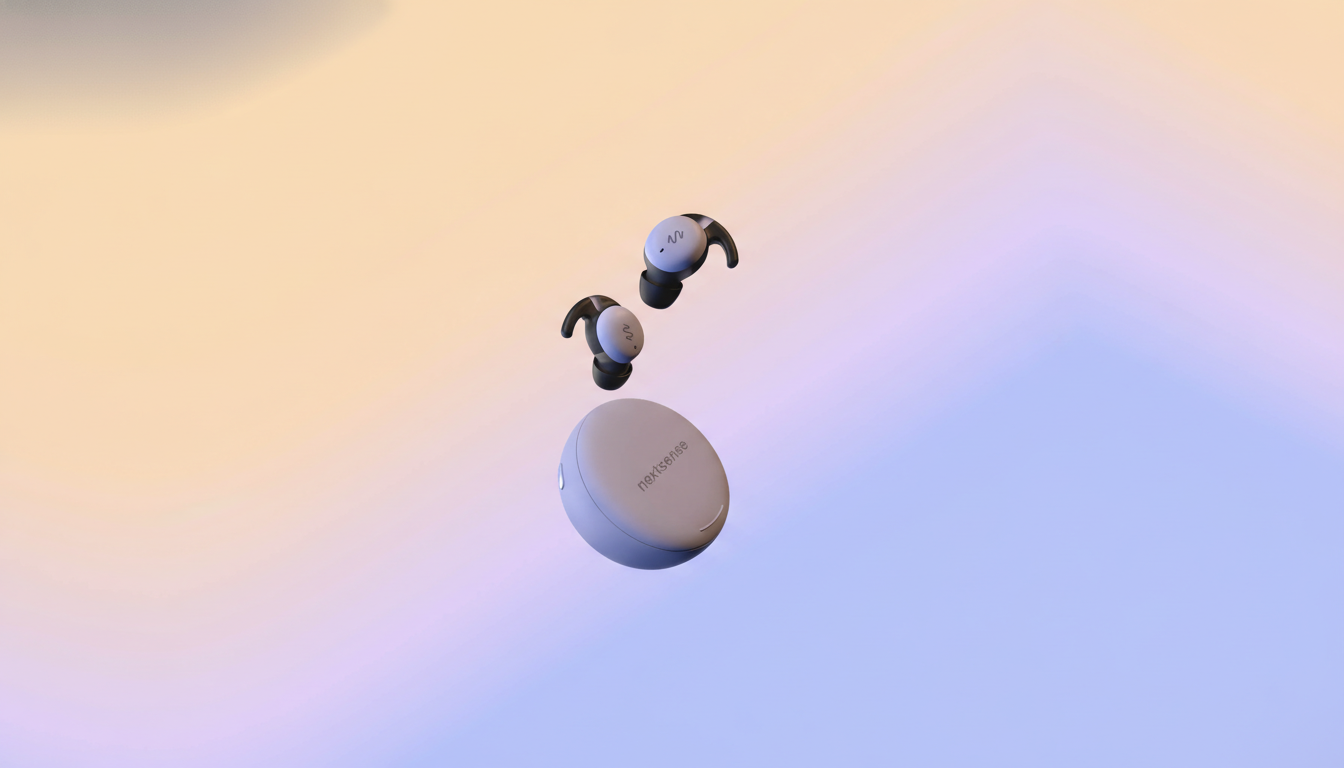
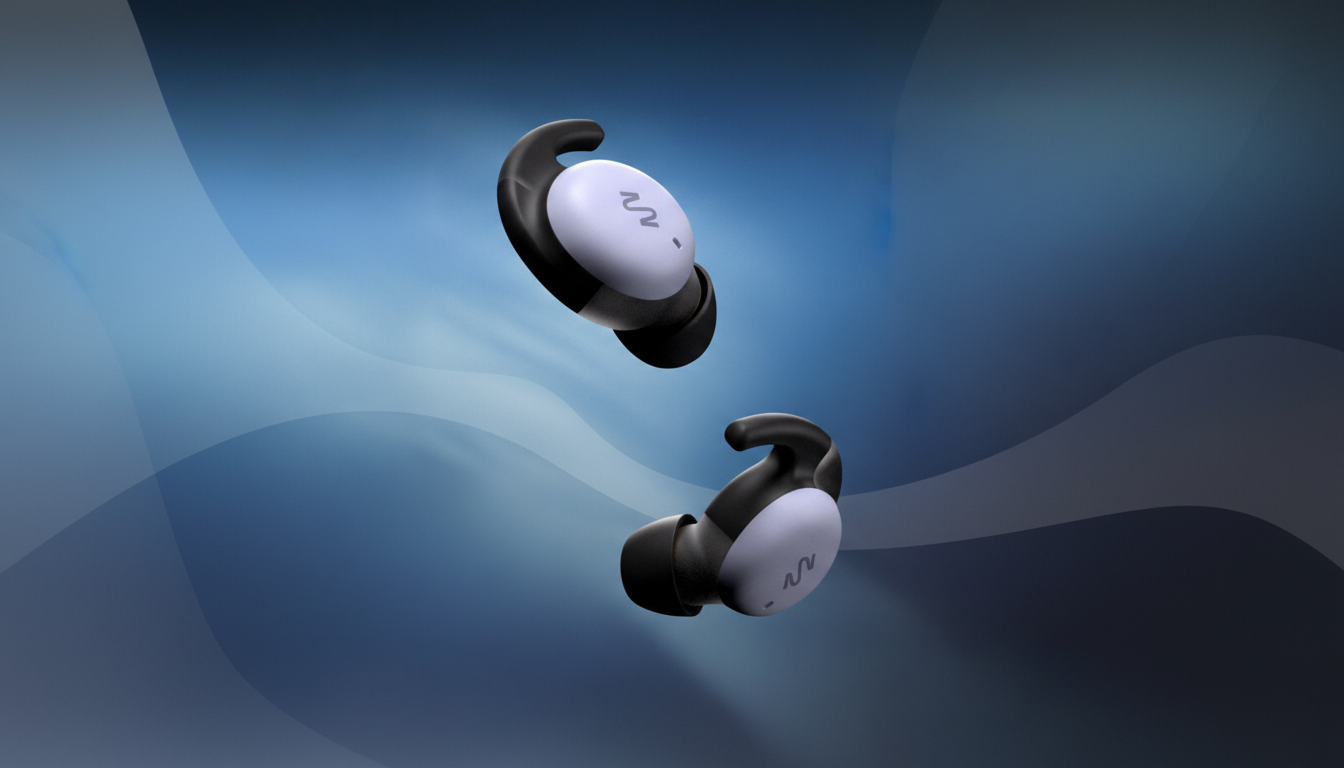
EEG in clinics usually uses about 20 gel-based electrodes placed on the scalp. NextSense packs that idea down into the ear with three dry electrodes constructed from conductive polymer. No sticky gels, no caps — just an unobtrusive in-ear fit that passively measures brain signals near the ear canal, a place scientists are increasingly looking to for accessible EEG.
How the Smartbuds Work to Personalize Sleep Audio
The Smartbuds pair with an app that plays a calming soundscape or your favorite music and audiobooks. The differentiator is ear-centric EEG. By monitoring brain rhythms associated with stages such as N2 and slow-wave sleep, the system can time audio to be less disruptive and, the company claims, steer you toward more restorative slumber. Call it closing the loop: perceiving first, then responding.
All three of each earbud’s electrodes rely on dry, flexible contact points to keep a signal going all night without the mess or fuss of clinical gear. It’s not a medical device — nor will it take the place of a lab-grade polysomnogram — but it vows more fidelity than motion or heart-rate proxies by themselves. Battery life is listed at about 7 to 10 hours; a normal night’s worth with true wireless controls and charging case included.
Hands-on Demo Takeaways from Testing on the CES Floor
On the CES floor, buds seated fast and the app verified sensor contact without any headaches. Despite the typical chaos of a trade show, the live brain-signal preview was steady once the electrodes had settled and transitions between soundscapes were seamless. The fit was more akin to that of a thin sleep bud than a large sports earbud, and nothing pushed awkwardly against the concha during short side-lean tests.
What NextSense is not promising is louder, bassier audio; it’s smarter audio. By matching playback with the state of your brain — for example, softening or shaping sounds as you near deep sleep — the Smartbuds are designed to minimize awakenings and extend periods of high-quality sleep. That’s a loftier goal than your standard white-noise mask, and it’s where the EEG earns its keep.
The Science and Context Behind Closed-Loop Sleep Audio
Over the past decade, peer-reviewed studies have found that “closed-loop” auditory stimulation synchronized to slow waves can modestly improve deep sleep quality and next-day memory performance in controlled settings. The now-retired Dreem headband along with projects like Philips’ SmartSleep have explored this with scalp electrodes. Taking a similar approach into cozy earbuds might widen adoption if the algorithms apply well in real homes and with different sleepers.
It’s worth emphasizing caveats: consumer EEG has fewer electrodes and covers less space than lab technology, so it infers sleep stages with some guesswork. The best way forward is probably transparency and validation — publishing accuracy benchmarks against polysomnography, not just in healthy sleepers but across the population as a whole — and giving us an understanding of what “more restorative” means in quantifiable terms.
Data and Privacy Questions for Brain-Sensing Earbuds
Brain data is intimate. It should include robust protections and user control.
- End-to-end encryption
- Clear data retention policies
- Local processing when feasible
- Granular consent for research use
- Export options for clinicians
- Ability to delete raw data
If EEG becomes a feature in mainstream earbuds, these protections will be just as important as battery life or sound quality.
Price, Availability, and What’s Next for Smartbuds
The Smartbuds are priced at $399 and can be preordered, with shipments set to begin in February. Beyond sleep, the company says that daytime features are on the way, including harnessing EEG data to bring you insights into focus for work and study. If those instruments hit, the Smartbuds could potentially transform into a 24/7 brain-aware audio platform instead of just a niche sleep accessory.
There are lessons to be taken away from my demo, too: audio that gets your brain is likely more promising than audio that just blocks the world out. If NextSense can substantiate its claims with strong validation and user-friendly privacy, these earbuds might represent the point at which EEG finally starts to make sense in your ears.