


New York legislators have unveiled a proposal to temporarily block permits for new data centers, setting up a minimum three-year pause as the state reassesses how the surging power and water demands of AI-era infrastructure fit with its climate and grid goals. The measure reflects a fast-spreading, bipartisan push nationwide to scrutinize the industry’s footprint as companies race to build ever-larger computing campuses.
What the New York Data Center Pause Bill Proposes
The legislation, sponsored by Senator Liz Krueger and Assemblymember Anna Kelles, would halt approvals tied to the construction and operation of new data centers across the state while regulators and lawmakers study impacts and craft stronger siting and utility connection policies. Supporters describe New York as unprepared for the scale of projects now targeting the state, arguing a timeout is needed to avoid costly grid upgrades falling on ratepayers. Reporting from Politico and Wired notes New York is among at least half a dozen states weighing similar pauses.
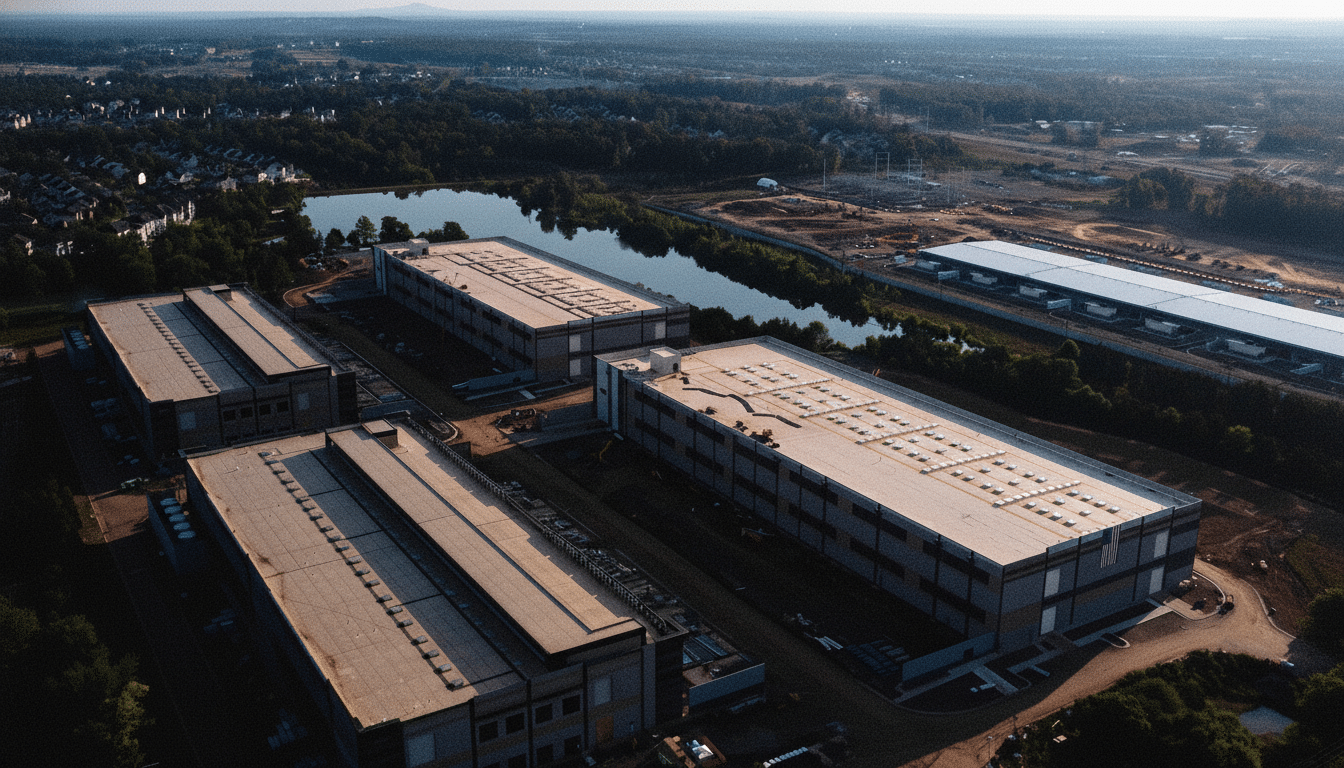
Although details will be hammered out in committee, the intent is to give agencies time to set clear standards on energy sourcing, interconnection costs, air and noise limits, and local land-use rules before allowing another wave of large-scale facilities. Existing data centers would keep operating; the focus is on new projects seeking permits.
Why New York Is Seeking a Data Center Pause Now
AI training clusters and high-density cloud workloads have dramatically changed the scale of data center demand. The International Energy Agency reported that global data center electricity use could exceed 1,000 TWh by 2026—roughly doubling from 2022 levels—driven by AI and crypto. Closer to home, the New York Independent System Operator has warned in recent Power Trends analyses that rising peak demand from electrification and new large loads complicates reliability and transmission planning, especially downstate.
Utilities from Virginia to Georgia are already feeling the strain. Dominion Energy briefly limited new data center hookups in Northern Virginia in 2022 due to transmission constraints. In Georgia, regulatory filings and Public Service Commission proceedings tied higher system costs and new gas capacity needs partly to rapid data center growth, factors that ultimately influence customer bills. Water is another pressure point: Microsoft’s 2022 sustainability report showed a sharp year-over-year jump in water use—more than 6 billion gallons—as its AI footprint expanded, spotlighting local resource trade-offs.
A Bipartisan Trend With Unusual Bedfellows
Momentum for moratoriums spans the political spectrum. Wired has tracked proposals or debates in Georgia, Vermont, Virginia, Maryland, and Oklahoma. National voices are chiming in, too: progressive lawmakers have urged a federal pause, and conservative leaders have criticized the sector’s effect on power prices. More than 230 environmental organizations—including Food & Water Watch, Friends of the Earth, and Greenpeace—recently urged Congress to consider a nationwide halt pending stronger safeguards.
Backers of New York’s bill say the objective is not to ban data centers, but to set rules that ensure the largest power users shoulder the cost of grid upgrades, procure low-carbon energy, and mitigate noise, diesel backup emissions, and traffic from construction.
Industry Pushback and the Economic Stakes for New York
Developers and cloud providers are likely to contest a pause, warning it could push investment—and jobs—across state lines. Trade groups such as the Data Center Coalition routinely emphasize the sector’s capital intensity, local tax base contributions, and union construction work, and argue that high-efficiency facilities paired with clean power can align with climate goals. They also note ongoing improvements in energy efficiency metrics and efforts to shift to renewables and recycled water where feasible.
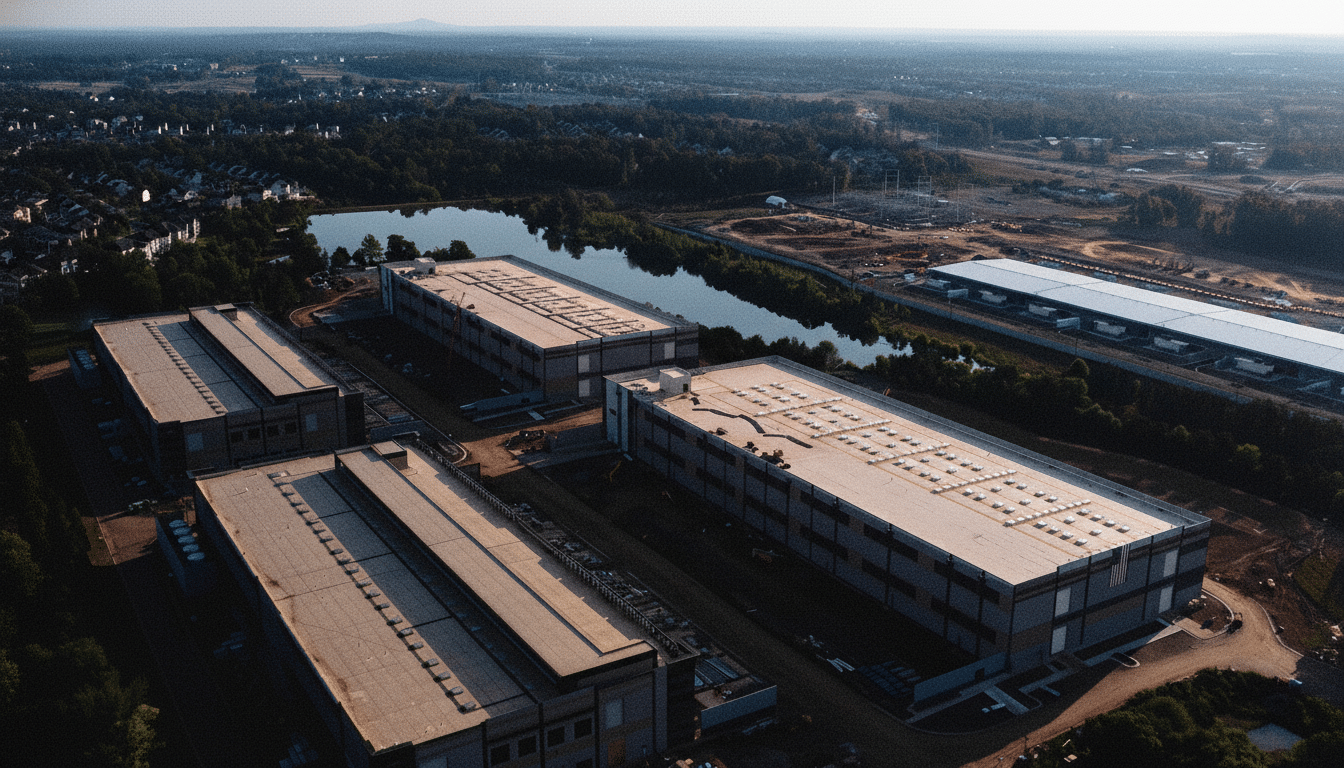
Still, the scale of today’s campuses—often 50 to 300 MW each, with multi-building expansions—raises planning challenges that local zoning boards were never designed to handle. That mismatch is at the heart of New York’s proposed cooldown.
How It Fits New York’s Climate and Grid Agenda
New York’s climate law targets 70% renewable electricity by 2030 and a zero-emissions grid by 2040. Large, round-the-clock loads make those targets harder unless developers commit to firm clean power, on-site storage, or flexible demand. The bill arrives shortly after Governor Kathy Hochul announced Energize NY Development, an initiative to modernize big-user interconnections and to ensure major loads, such as data centers, pay a fair share of upgrade costs.
Observers expect any pause to be paired with a framework for cost-sharing on transmission, performance standards for backup generation and noise, clearer water use reporting, and siting guidance that steers projects to where the grid can actually support them.
What to Watch Next as New York Weighs a Data Center Pause
The bill’s path will depend on committee hearings, budget negotiations, and input from utilities, labor, local governments, and cloud providers. If the pause advances, developers may pivot to neighboring states or pursue smaller, modular builds that can connect faster and use less water. If it stalls, expect regulators to lean more heavily on the Energize NY effort to require tougher interconnection and siting terms case by case.
Either way, New York is signaling that the era of frictionless data center expansion is over. The next wave will have to earn its place on the grid.