


Wallpaper apps should be a no-brainer for personalization-obsessed phones, yet according to one new reader survey, they continue to struggle. Here are the results of our recent wallpaper app survey:
As always, we expect there to be far more people using wallpaper apps than who are likely to respond in polls and surveys — but the numbers can still point us in interesting directions. And while a high-profile creator-backed app shut down and refunded users recently, only a small slice of respondents say they sought out dedicated wallpaper apps. The data provides a clear image of why downloads do not convert into long-term usage or revenue.
- What the survey says about how people find wallpapers
- How free alternatives erode the value of paid wallpaper apps
- Monetization and trust barriers for wallpaper apps
- Platform frictions and performance limits for wallpaper apps
- Why personal photos often win over dedicated wallpaper apps
- A way forward for developers building wallpaper experiences
What the survey says about how people find wallpapers
Nearly 1,700 respondents weighed in. Around 42 percent said they look for wallpapers on the web, not in a single app. Another 22 percent use photos they took themselves, and 21.5 percent don’t stray from stock options that come with their phones. No more than 10 percent, meanwhile, use dedicated wallpaper apps at all.
- Around 42 percent look for wallpapers on the web, not in a single app.
- 22 percent use photos they took themselves.
- 21.5 percent stick with the stock options that come with their phones.
- No more than 10 percent use dedicated wallpaper apps at all.
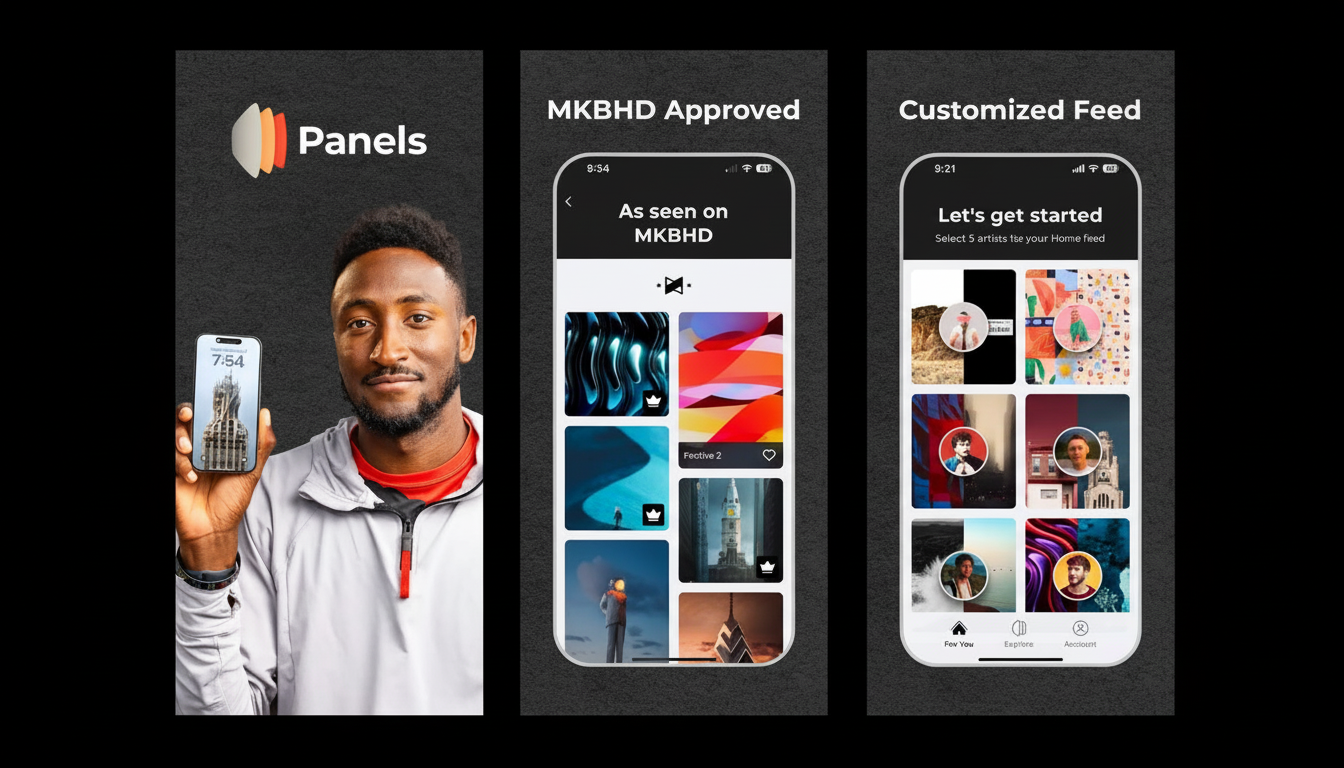
Even more telling: Only 5.5 percent of respondents said they used Panels, the popular wallpaper app from YouTuber Marques Brownlee, which is now being sunset with refunds going out to paying users. And if a star-backed title can’t catch on in a category that is said to be built on taste and discovery, well, smaller developers are screwed.
How free alternatives erode the value of paid wallpaper apps
The biggest headwind is the free, high-quality competition. Use images from social communities and photo libraries, then crop and adjust them in seconds. Setup and theme subreddits, artists’ image and video bundles, and royalty-free archives all deliver new content from every direction without any sign-up requirements, advertising, or subscriptions.
Phone manufacturers have also lifted the floor. Pixel phones include AI-generated wallpapers and cinematic effects. Dynamic looks are surfaced at setup through Samsung’s Galaxy Themes and generative tools for curated packs. When those out-of-the-box solutions feel good enough — when you can have something built on demand in new tools so a dedicated app doesn’t seem necessary — the perceived need for a standalone app drops considerably.
Monetization and trust barriers for wallpaper apps
Wallpaper apps occupy a strange place between the silly and the serious. Users want variety, but they don’t much like paying for it. That drives many titles toward ads, watermarking, or overzealous upsells, which undermine trust and retention. According to industry trackers like data.ai and Sensor Tower, consumer spend is dominated by games and streaming, leaving personalization very little of the wallet share.
Subscription fatigue compounds the issue. Consumer surveys by firms like Deloitte have also identified increasing churn as households cull low-priority services. Asking people to pay for something as interchangeable as wallpapers on a monthly basis is a tough sell. Even one-time unlocks can seem gratuitous when free alternatives are just a tap away.
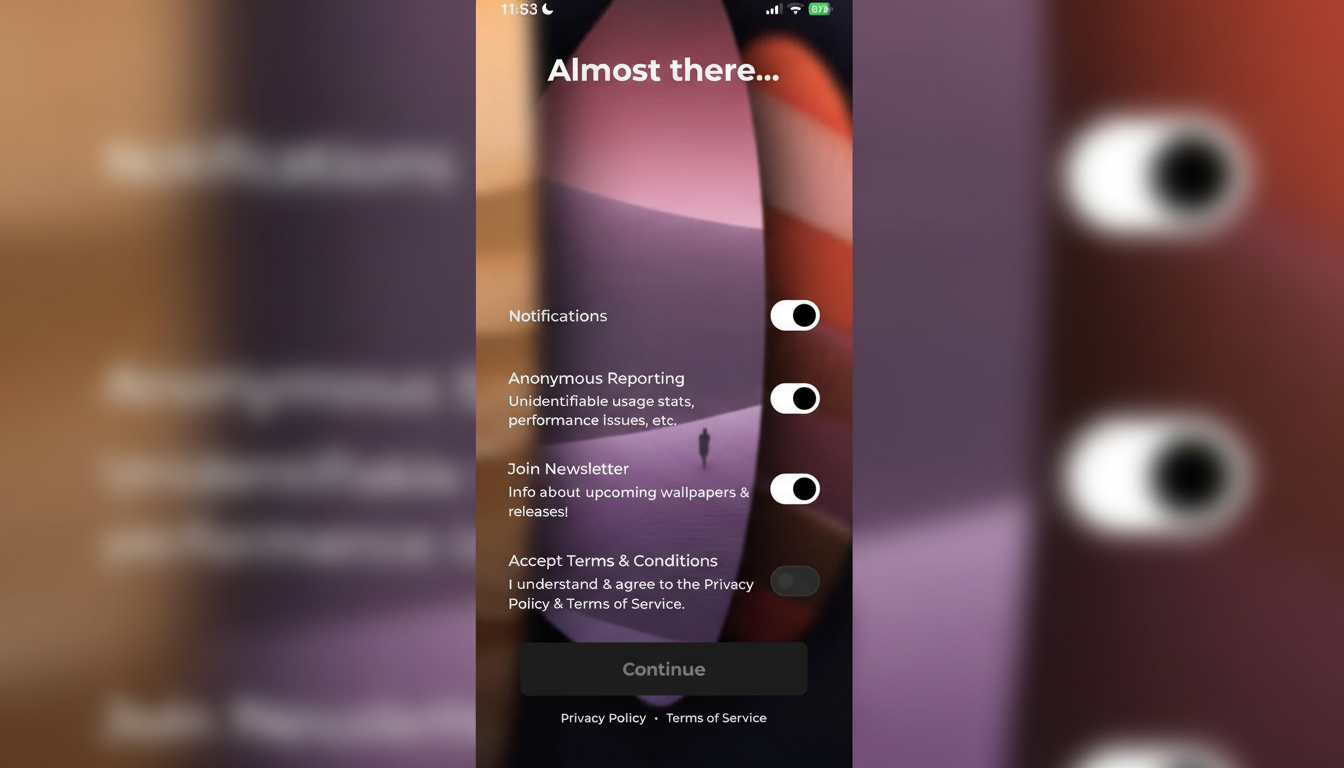
There are also privacy concerns hanging over the category. Some apps ask for wide-reaching permissions to perform downloads, send you notifications, or track analytics. Users often go the safer path in a high-scrutiny environment — stock images or their own photos.
Platform frictions and performance limits for wallpaper apps
On Android, device fragmentation increases the cost of production. To support dozens of aspect ratios, foldables, tablets, and high-refresh displays, designers have to export multiple variants and test them across the hardware. Wallpapers with live effects or parallax are also a trade-off between battery and performance, as power-saving technologies built into the system can make it difficult for developers to deliver something wild.
Policy changes matter as well. Background limits are stricter; it’s harder to prompt users to grant permissions, and APIs now change in less foreseeable ways that make running frequent refreshes or cloud sync actions seamlessly and unobtrusively for the user even more challenging. When the experience stumbles — slow loads, creaky previews, cropped edges — users churn quickly.
Why personal photos often win over dedicated wallpaper apps
Personalization, as these 22 percent illustrate, is as much a matter of memory and identity as it is design. There’s more communication in a pet portrait or travel snapshot than there is even in the slickest abstract patterns because those pictures are making meaning. With phone cameras getting better, and on-device editors becoming more powerful, that personal-photo pathway is only growing more enticing.
A way forward for developers building wallpaper experiences
There is still space for winners, but it demands a redefinition. Apps that do more than dump a catalog — as in, curated drops from known artists, seasonal collections, and tasteful dynamic sets whose colors adjust to Material You palettes — can make the case for an occasional modest purchase. As a theme all by itself, it’s one thing, but with the icon packs, widgets, and lock-screen clocks bundled in, things get pretty darn cohesive here, and cohesion is definitely worth a few dollars.
Community is another lever. Marketplaces that allow creators to earn revenue, along with transparent moderation and licensing policies, can foster trust and long-term engagement. Transparent privacy practices, light-touch ads, and offline caching with battery-friendly animations can help retain users.
The message of the survey is blunt: wallpaper apps already face an uphill fight when most people either go directly to the web or simply use their own photos. But by leaning into curation, creator ecosystems, and effortless theming across devices, developers can still forge a loyal niche — small, maybe, but sustainable.