


Fresh CAD-based renders are giving us the clearest look yet at how Samsung’s rumored Galaxy Z Fold 8 Wide stacks up against the standard Fold 8, and the differences are more meaningful than a simple spec sheet suggests. The two devices share DNA, but their shapes—and the way apps and media will feel—diverge in ways that could split the foldable crowd.
The latest comparison images, compiled from leaked dimensions by Android Headlines and other veteran leakers, point to a deliberate fork in Samsung’s playbook: a taller, narrower traditional Fold 8 versus a shorter, wider Fold 8 Wide designed to feel more tablet-like when open.
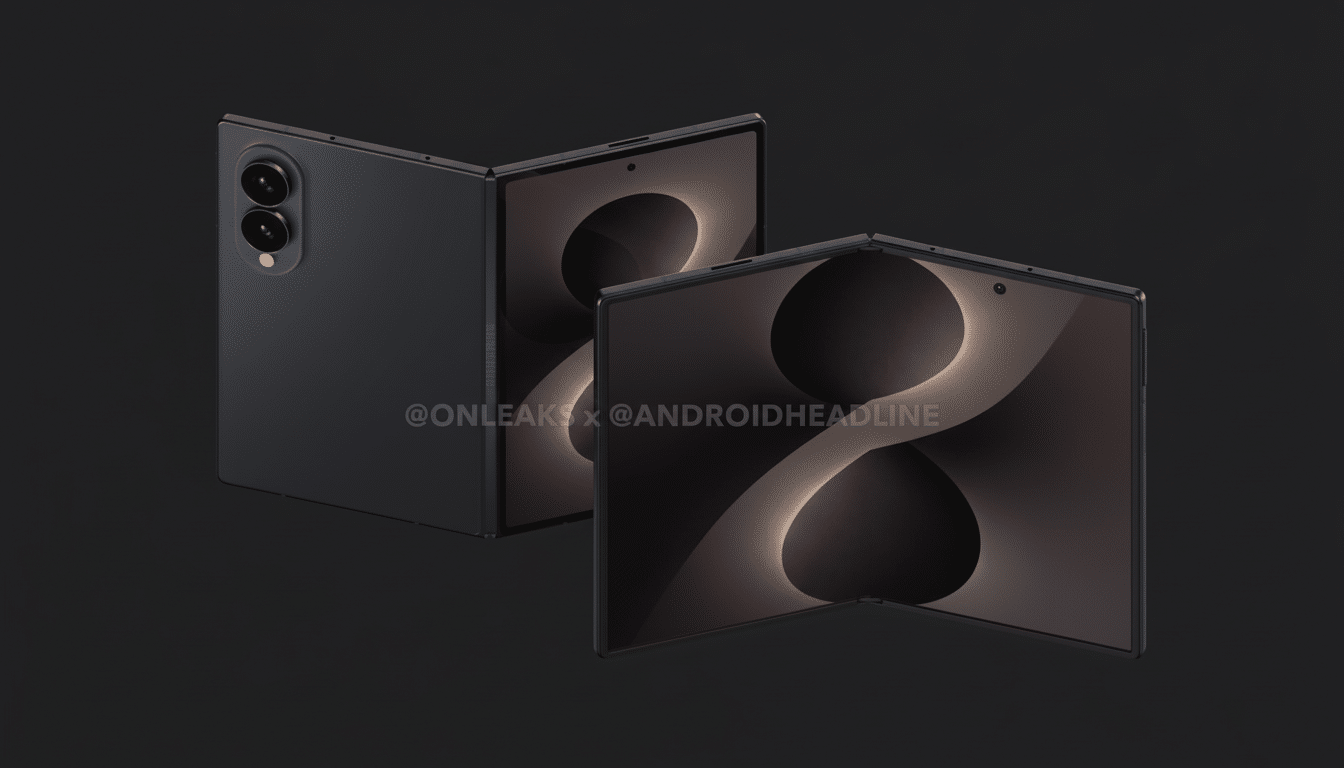
What “Wide” Actually Means for Samsung’s Fold 8 Design
On paper, the regular Fold 8 reportedly unfolds to about 158.4 x 143.2 mm, while the Fold 8 Wide measures roughly 123.9 x 161.4 mm. That means the Wide is physically shorter top to bottom but stretches farther left to right when open—think landscape-first ergonomics. It also lines up with talk of the Wide using a 7.6-inch inner panel and a 5.4-inch cover, versus roughly 8 inches and 6.5 inches on the standard Fold 8.
Yes, the Wide’s inner screen is said to be smaller by diagonal, but diagonal alone doesn’t tell the usability story. The Wide’s greater horizontal span results in a canvas that favors multi-pane layouts, full-width web pages, and video in landscape. The standard model’s taller frame, by contrast, suits endless feeds and document reading without constant panning.
How Screen Real Estate Impacts Apps on Fold 8 Models
Surface area matters, and by that metric the standard Fold 8 should still win thanks to the larger inner panel. But utility per square inch may look different on the Wide. Two-pane apps—Gmail’s inbox and message view, Docs with comments, or Slack with channels and threads—tend to breathe better on a wider canvas. Samsung’s Multi Window and taskbar also benefit; a 50–50 split feels less cramped when each app window gets more horizontal pixels.
Video playback is another example. A wider inner aspect can reduce letterboxing with 16:9 content, making movies and games fill more of the display in landscape. Conversely, the standard Fold’s taller inner screen can give you more vertical headroom for timelines, spreadsheets, and code editors, where you want to see more rows at once.
Developers have been steadily refining foldable layouts, and Google’s push for large-screen Android optimizations means more apps now adapt to wide and tall spaces. That trend favors both models, but it arguably makes the Wide’s shape feel instantly “tablet-native.”
Cover Display and Ergonomics: Daily Trade-offs Explained
The cover screen is where users live most of the day, and here too the trade-offs are clear. The Wide’s smaller 5.4-inch cover could be physically broader, which typically enables a roomier keyboard and fewer accidental edge touches—similar to the usability fans praised on wider-cover devices like the Pixel Fold. The standard Fold 8’s taller 6.5-inch cover, if it follows Samsung’s recent ratios, is likely easier to grip and lighter-feeling for one-handed scrolling, but the keyboard can feel tighter.
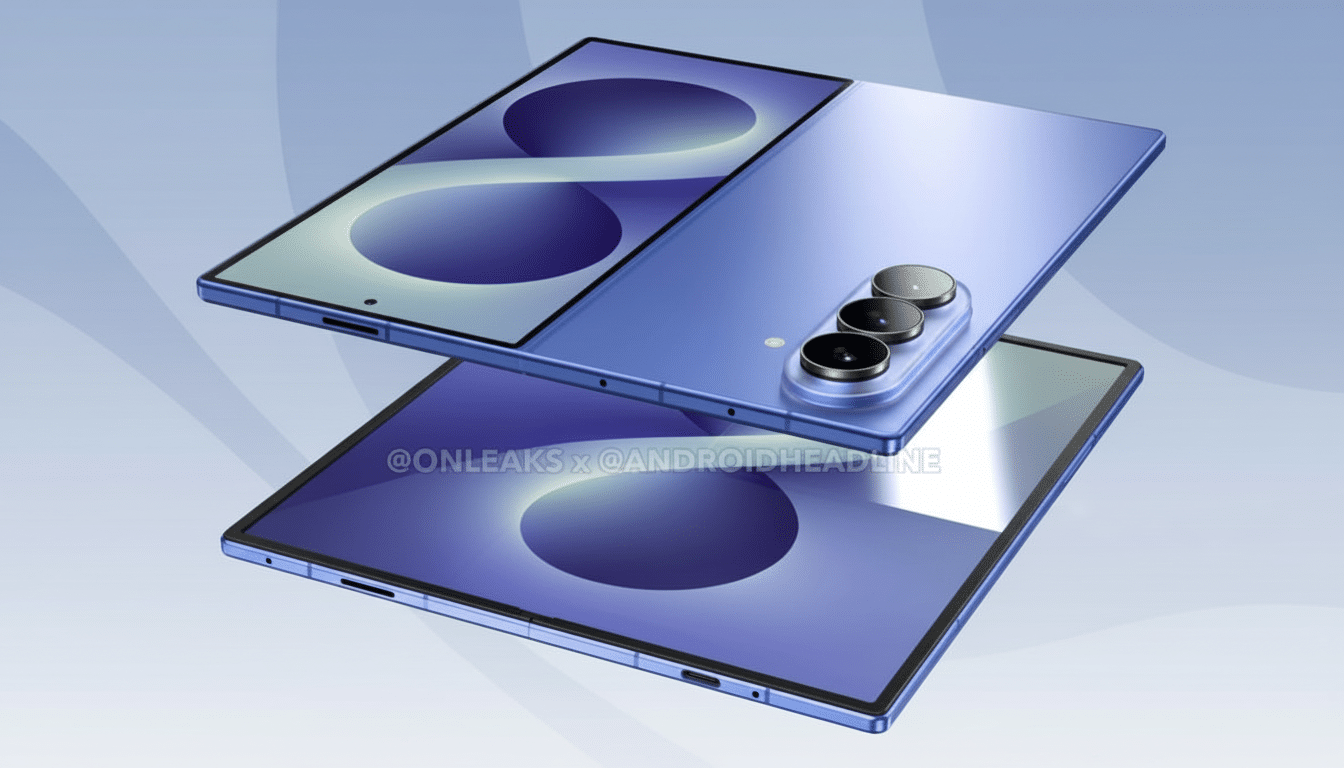
In pockets and bags, the Wide’s reduced height should make it less top-heavy and less prone to peeking out of shorter pockets, while the standard model’s narrower stance may slip into tight spaces more easily. Both are expected to lean on Samsung’s maturing hinge tech for durability and a flatter crease, continuing the steady year-over-year improvements in stiffness and drop resistance.
Who Each Galaxy Z Fold 8 Model Best Suits and Why
Pick the Fold 8 Wide if your day is dominated by split-screen multitasking, email triage, dashboards, and video. The extra horizontal room also makes on-screen typing more natural when the phone is open flat. Gamers who prefer landscape titles may appreciate fewer black bars and more comfortable thumb reach across controls.
Choose the standard Fold 8 if you want the largest possible canvas for reading, sketching, or spreadsheets, and you value a taller cover screen for one-handed use. Power users who stack vertical content—feeds, notes, terminals—will likely feel at home with the traditional Fold silhouette.
Why Two Foldable Shapes Make Sense for Samsung Now
Industry watchers have long argued for wider foldables to improve day-to-day usability. Display Supply Chain Consultants’ analysts have repeatedly noted a shift toward cover panels that feel like “real phones” instead of remote controls, and the Wide appears to answer that call. Meanwhile, the classic Fold form still maximizes total area—an advantage for creators and data-heavy work.
There’s also a competitive lens. Multiple reports suggest rivals are experimenting with wide-first designs for their inaugural large foldables. Offering two shapes hedges Samsung’s bets and gives shoppers an actual choice instead of one compromise fits all. With global foldable shipments estimated by Counterpoint Research at roughly 16 million units in 2023 and growing despite a flat broader market, segmenting by ergonomics rather than just price or camera count looks savvy.
Crucially, none of this is official yet; the comparisons come from CAD-based renders built on leaked measurements. Still, the direction is credible and aligns with how people actually use big screens. If these leaks hold, the Fold 8 family won’t just be an annual spec bump—it will be a referendum on which foldable shape should define the category.