


If Apple announces an updated AirPods Pro as part of its next iPhone reveal, the showy features may dominate headlines — think live translation speculation and temperature metrics — but three functional upgrades will matter far more day-to-day. Smarter adaptive noise control, useful health metrics, and next-gen Ultra Wideband tracking all would provide real value the second you put the buds on.
Apple is already on top of the true wireless market by just about all accounts from analysts, and the current AirPods Pro 2 set a high bar in terms of ANC, Transparency mode and ecosystem polish. But there is still room to grow for Apple versus the best in class at specific tasks. When it comes to rounding into the zero-gravity wind tunnel that is the playoff drive, however, a fresh model is precisely what could close that difference — and that would serve as your excuse to upgrade straight away.
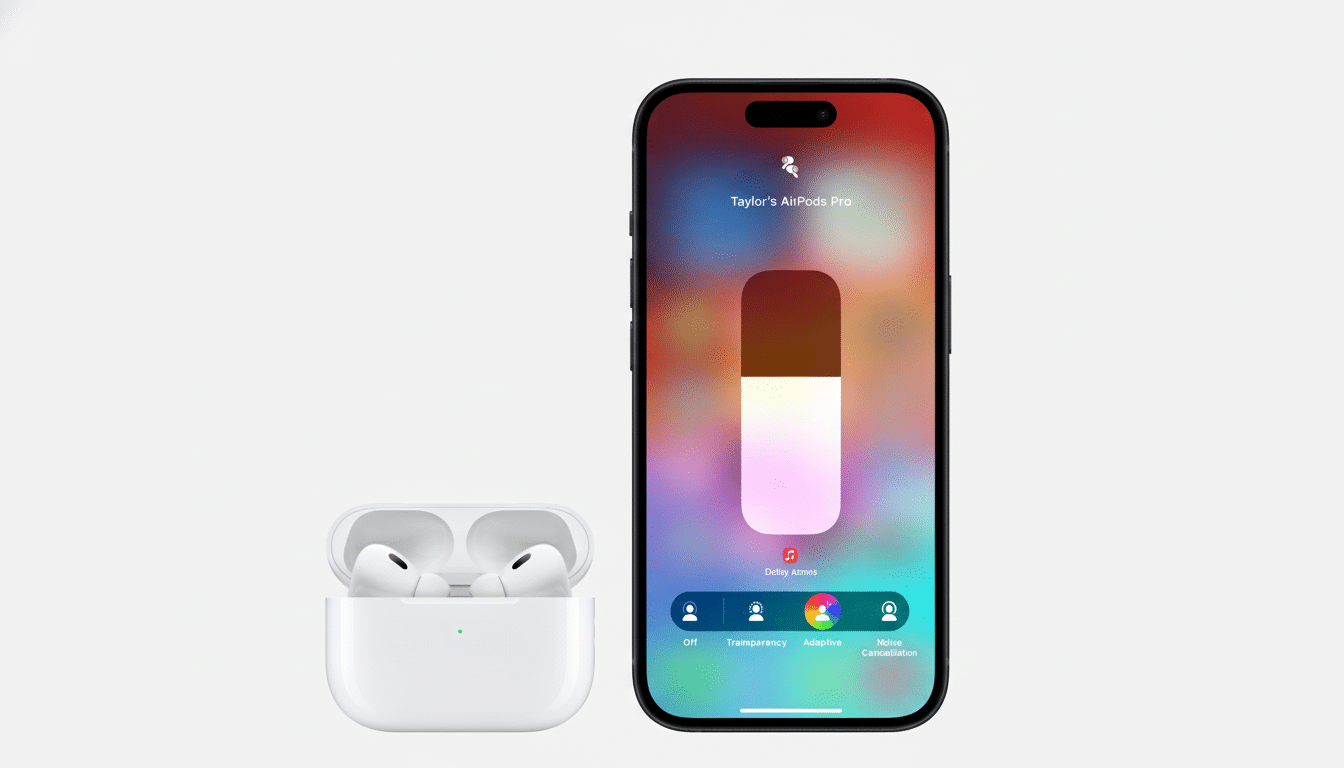
Smarter Adaptive Audio for a truly immersive experience you can feel.
Adaptive Audio came along with iOS 17, bringing an on-the-fly mix of noise cancellation and transparency, and Conversation Awareness that lowers volume when you speak. That is clever, but it is not perfect. There’s a noticeable lag before voices are detected, and abrupt changes — say, a bus braking next to you — can momentarily confuse the algorithm.
Bose’s QuietComfort Ultra earbuds are the gold standard in how well ANC should react right now, and independent testing from places like Rtings has shown that Bose still comes out just above everyone else at attenuating low frequencies. A fresh Apple H-series chip and finer microphones and wind-noise suppression could narrow that gap, reducing reaction time and smoothing the transitions that can feel a little jarring on AirPods Pro 2.
Two real-world tweaks would be enormous: a user-adjustable “responsiveness” setting for Adaptive Audio (so subway riders could maximize aggressive attenuation, while office workers opt for subtle adjustments), and faster Conversation Awareness with stronger background-chatter rejection. The point isn’t just louder ANC; it’s smarter, context-aware listening that feels, well, invisible.
Health sensing you can trust in your ear
The ear is a great place for optical heart-rate sensing: it has good blood perfusion, and there are fewer motion artifacts than on the wrist. Work referenced by biometric companies like Valencell and academic groups have published peer-reviewed studies suggesting ear-based PPG can closely follow chest-strap readings, particularly at steady intensities.
If Apple incorporates an ear sensor, precision and seamless integration will matter more in the experience than novelty. Readings ought to be automatically logged in the Health app, include trends about our resting heart rate, and export cleanly to your favorite fitness service, no subscriptions needed. A reliable, “just works” experience would make AirPods Pro a strong alternative to Apple Watch during workouts, or even a primary source for people who don’t wear a watch.
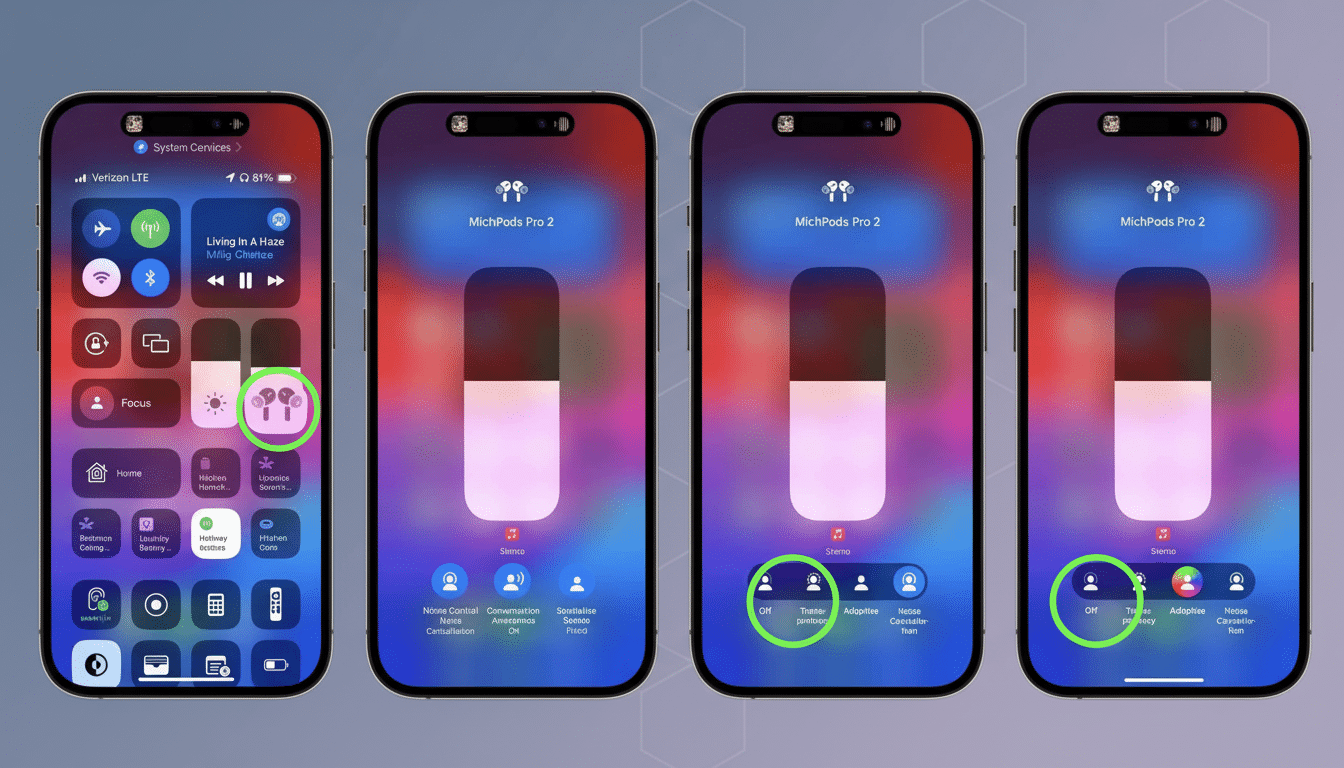
It also can be more than just a gimmick if done right. Ear-canal temperature tracks core body temperature closely; trends over time might help in cycle tracking, recovery tips or early illness flags when combined with heart rate. Bloomberg has also reported on Apple’s continued experiments with hearing and health features in AirPods, and this is the most straightforward, high-impact way to make those features happen.
UWB accuracy that doesn’t waste time
Losing the case — or even just one earbud — is the most common AirPods frustration. The fix is obvious: put the second‑generation Ultra Wideband chip in both the earbuds and the case. Apple claims the new UWB in the iPhone 15 can do Precision Finding at up to three times the distance as before. Combine that with a UWB-equipped AirPods case, and you no longer have to walk back and forth while waiting to hear a tiny chirp.
True gains are things like: precise direction-and-distance arrows from down the hall, dependable separation alerts for when you leave a bud at home and a case’s speakers that can be heard over a TV. For families, shared Find My access with room-level location accuracy could average “where are my AirPods?” search from minutes to seconds. It’s not a flashy trade up — but one you’ll be glad for the first time a cushion swallows your earbuds.
What about headline-grabbing tricks?
Live translation would be a headline grabber, and Apple’s on-device models and new Siri experiences hint in that direction. But translation also still relies on the vagaries of network connections and complex context treatment, which is still hit-or-miss. For many folks, smarter audio, health that’s more accurate, and tracking that approaches instant will provide more value day in and day out than a feature you’ll use sparingly on a trip to another country.
Bottom line: three upgrades that will count
AirPods Pro are already great. Make Adaptive Audio faster and more natural, add accurate ear-based health sensing that draws from Apple Health and drop in the latest UWB for precision finding and you have a new model that feels like a no-brain upgrade — even to those who had nothing to complain about with their current AirPods Pro 2. If Apple gets those basics right, everything else should be a bonus.