


Netflix has quietly removed the ability to cast shows and movies from its mobile app to newer Chromecast hardware, directing users instead to the native Netflix app on devices with a remote and on-screen interface. The change impacts Chromecast with Google TV and other Google TV streamers, though old-school dongle-only Chromecasts without a UI will still receive casts.
What changed, and who is affected by the policy shift
Netflix is now advising users to avoid streaming over cellular networks while casting from phones or tablets, and to use Wi-Fi only instead. In practical terms, this means if your Chromecast has its own remote and home screen (a la Chromecast with Google TV), you won’t see the Cast option working from inside the Netflix mobile app. Subscribers say that on these devices, the Cast button has either disappeared or gives them a not-supported message.
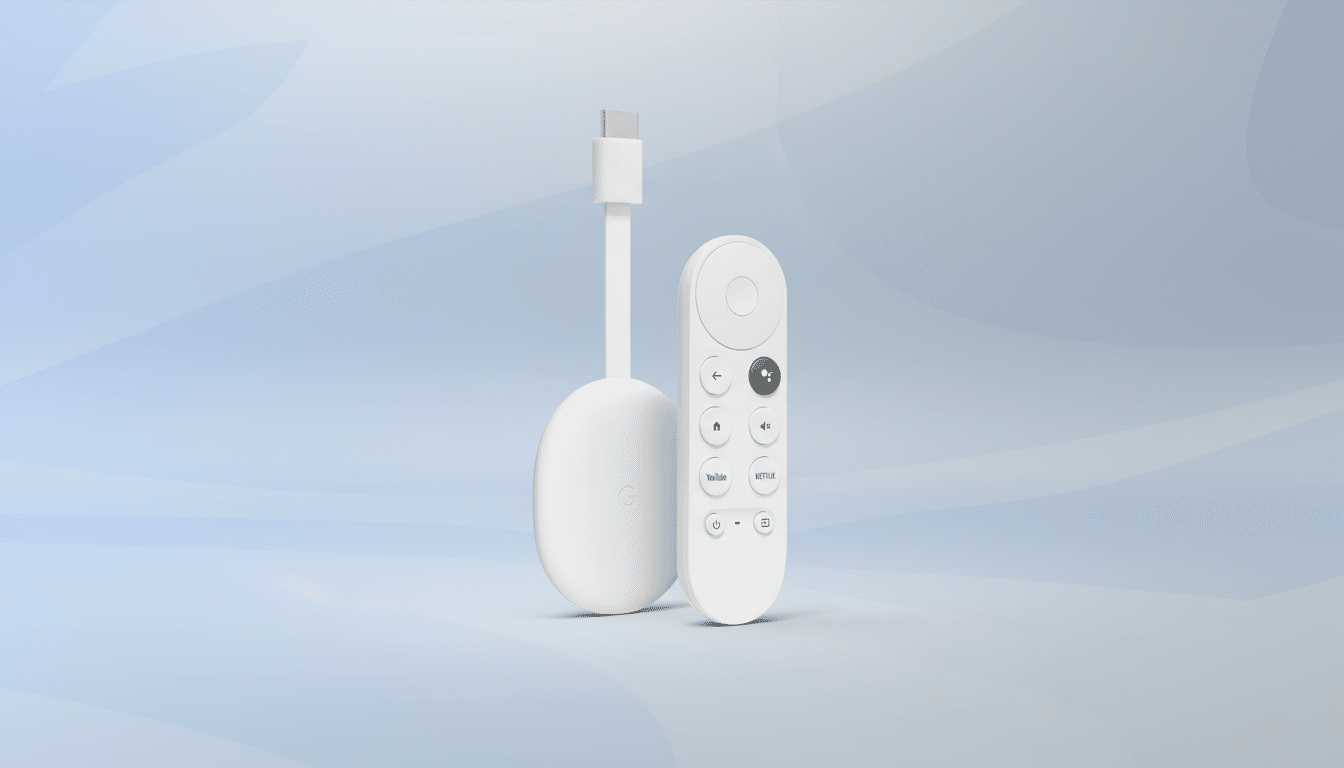
Older Cast-only hardware such as the original Chromecast and Chromecast Ultra remain compatible, since those dongles do not run an on-device UI.
The line is clear: If the device presumes you’ll browse apps with a remote, Netflix wants you to open the on-TV Netflix app rather than beaming from your phone.
There is one more wrinkle. Casting and mirroring in the ad-supported plan of Netflix have long been limited to a few devices. That limitation remains, but this change more broadly takes mobile casting off the table for even users with top-tier plans on newer Chromecast models.
Why Netflix might be doing this on newer Chromecasts
Netflix hasn’t given much of an explanation beyond casting it as an experience upgrade, but the industry context is instructive. TV apps provide a more controlled environment within which to guide user interactions, track and enforce QoE (Quality of Experience) metrics, and dependably apply features such as profiles, PINs, ads, or playback restrictions — it is no surprise that streaming platforms are optimizing for engagement and measurement inside them.
Casting from a phone introduces another source of variability: different device states, network conditions, and app versions might cause friction or support headaches. By corralling users into the on-TV Netflix app, it cuts down those variables and could cut down on support cases and maintain a consistent ad delivery for plans that include commercials, all while being able to keep tracking your TV-centric viewing habits.
And there’s a larger platform shift happening as well. At its developer conference, Google said that Android TV OS now powers more than 200 million monthly active devices around the world, including TVs, set-top boxes and streamers. As living rooms continue to standardize on top of strong on-device app stores and remotes, the original “phone-as-remote” casting model is becoming more naturally de-emphasized.
How to continue tuning in on your TV without casting
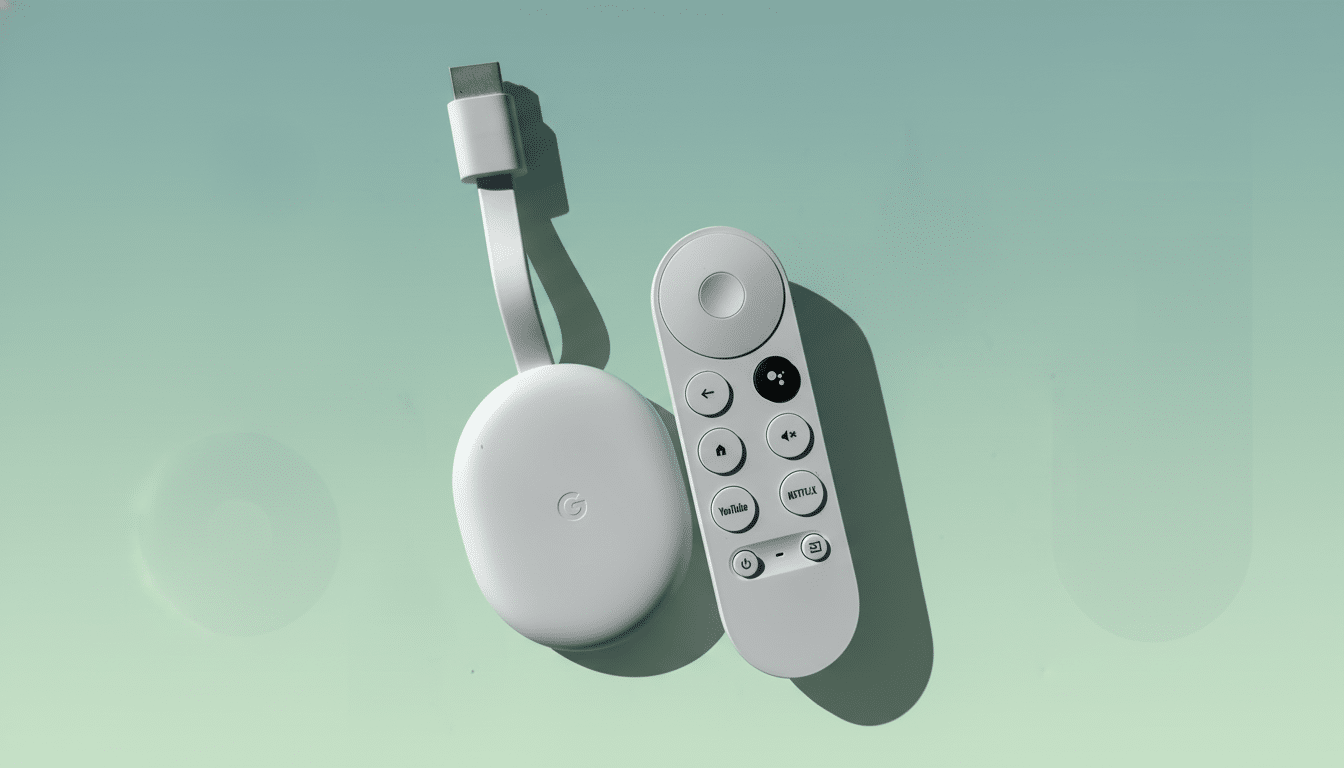
The short-term fix is simple: open up the app on your Chromecast with Google TV or other Google TV streamer using its provided remote control. Update the Netflix app and device firmware, sign in, and use profiles as normal.
If you depend on phone-based control, you are not entirely out of luck, but there are caveats. The Netflix mobile app can still cast to older Chromecast dongles that don’t have an on-screen UI. Others cast Netflix to the TV from a laptop and use a Chrome browser window on the connecting device to stream directly via an HDMI cable (a direct, no-cast setup). Netflix may block screen sharing from a mobile device in order to protect content or because of uncanceled account billing.
Netflix says very dated TVs and streaming players — specifically those made before 2015 — may not be compatible. In such instances, a new streaming stick with the Netflix app built in is the surer route than resurrecting dying casting workflows.
What this means for Google Cast and the living room
When Chromecast was introduced, casting was solving a real problem — how to get premium video onto TVs in a cheap and accessible way. And as TV interfaces improved, that stopgap was less necessary. Today, remote-driven apps start quicker, authenticate cleaner and provide richer controls, accessibility and recommendations than a typical send-receive cast flow.
For Netflix, bringing playback into the TV app probably means better average performance, at the expense of fewer customer-service edge cases. It’s a jarring shift for viewers who liked controlling everything from their phone. But if you’re a household wrestling with an array of profiles and parental controls, the native app experience can be simpler and more predictable.
News of the change was first detected in user forums and confirmed by Android-focused publications prior to Netflix’s support language confirming the policy. While there’s no formal announcement of the latter, the message is clear enough: modern streamers are TV computers now, and Netflix would like you to use them as such.
Bottom line: If you are using a remote with your Chromecast, treat it like a set-top box and open Netflix on the device. If you have an older Chromecast dongle, mobile casting still works (for now). Everyone else should go in the TV app’s direction.