


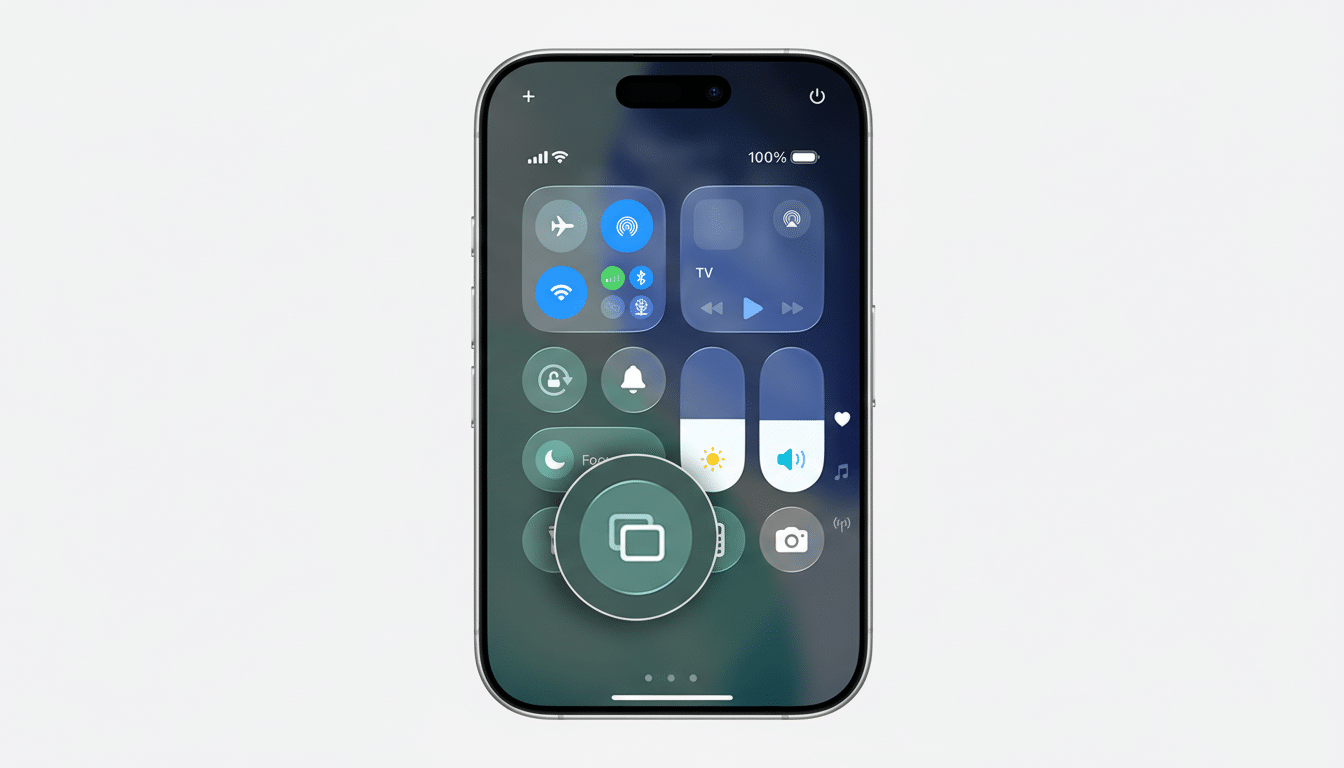
Attempting to cast Netflix from your phone to the living room television and the Cast button has disappeared? You’re not imagining it. Netflix has confirmed to me that it rolled out a change earlier this spring, which no longer allows iOS users to use AirPlay in conjunction with CDNs (content delivery networks) required for better quality streaming and other optimizations that were previously ensured by using the Apple feature. The news was first reported on Wednesday morning by MacRumors based on Netflix’s help pages today, but I asked Netflix directly, as well.
That means, in reality, your trusty old original Chromecast brick or television with native Google Cast support could still technically accept casts from the Netflix mobile app.
More recent dongles and many newer TVs, however, now require you to use the Netflix app on the TV itself (controlled through a remote), rather than treating your phone or tablet as your controller and video source.
What changed with Netflix casting support this spring
Netflix’s support language is plain: TV and TV streaming devices can no longer cast mobile Netflix. The big exceptions to this are “older” Chromecasts and televisions that use Google Cast. The company didn’t specify where the cutoff is for “older” and gave no information for owners to figure out compatibility on their own, besides trying to cast something and seeing what happens.
For when the Cast button is present but not working, the first step in trying to watch Netflix on your TV via Chromecast or another digital media adapter is restarting your phone, router, and TV.
If you’re getting no display while using a casting feature, it doesn’t help that support for Netflix’s native iOS AirPlay has been discontinued. If nothing pops up, you are probably in the new no-cast territory and will have to open Netflix directly on the television or streaming box.
Who is affected by Netflix ending mobile casting support
Those who were depending on “second-screen” control — pick a title with the phone and cast it to play up top — may be affected, especially owners of newer Chromecast with Google TV devices, as well as many recent non-Cast streamers. No such luck for TVs and sticks with native Netflix apps: this change is focused on mobile-initiated casting, not Netflix’s presence on those platforms.
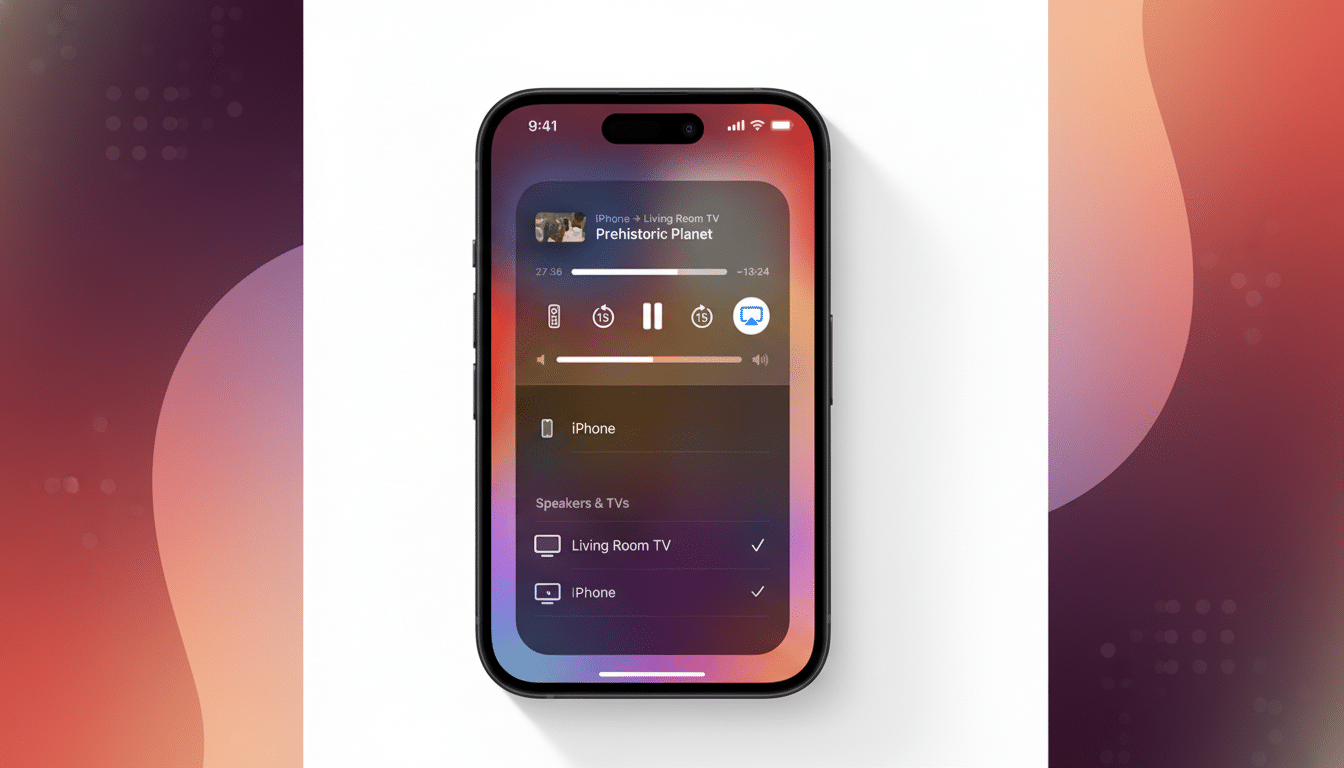
There’s a catch for budget-conscious viewers, too. Customers on Netflix’s ad-supported plan can’t use a TV as a display for content playing on a mobile device in any way, whether with casting or mirroring, the company says. That’s in line with how some ad-tech and rights restrictions work across platforms, though it also sticks to previous points of friction — the lack of AirPlay support for many years in Netflix’s iOS application.
Why Netflix might be restricting casting from mobile devices
Two forces are at loggerheads: advertising integrity and device chaos. Casting routes video across a tangle of receivers and protocols that can differ between brand, model year, and firmware. It’s harder to guarantee that ads render correctly and are measured properly and not skipped, masked, or blocked during casts and mirrors than it is in a vetted TV app with tight DRM and analytics.
The market also moved. According to new research from Leichtman Research Group, approximately 88% of U.S. TV households have at least one television-connected device, and 71% own a smart TV. In other words, most people already have on their walls a big screen capable of showing Netflix, with a built-in app to control it and a remote. Guiding users to those apps lessens the amount of dropouts during playback and reduces Netflix’s support costs as well as those of device manufacturers.
How to watch Netflix on your TV now without mobile casting
- Launch Netflix directly on your TV or streaming device and log in; navigate with the remote and play. This path remains fully supported.
- If you have an older Chromecast or a TV with Google Cast support that’s not actually linked to Google Home, the Netflix mobile app’s Cast button might continue to work. Make sure both devices are on the same Wi-Fi, and ensure that Netflix has Local Network access enabled on your iPhone in Settings.
- Ad-supported subscribers should refrain from casting or mirroring on mobile; “native app experience” (another way of saying watching their app) is the most reliable workaround. Wired methods such as HDMI from a laptop are also exempt from the policy on mobile casting.
- Until now, many game consoles and streaming boxes (Roku, Fire TV, Apple TV, Chromecast with Google TV) have continued to run Netflix natively. Install (or update) the app and use the device’s remote in place of the phone.
What to expect next if your device loses Netflix casting
Specific model numbers aren’t provided for the “older” devices that keep casting support, so there is some uncertainty as software updates are pushed through.
If you cast today, that’s a temporary bonus, not something to take for granted. For the best experience, you should plan to open Netflix from your TV itself — which for many people is how they do it anyway these days.
Bottom line: If you have your night planned around casting your phone to the TV, you might want to check your setup before the popcorn pops. And if you’re not seeing anything in the device picker, the quickest fix is also the simplest one — grab your remote.