


Netflix quietly removed casting from its Android and iOS apps recently, and while the company hasn’t offered an official explanation, industry chatter points to a simple driver: hardly anyone was using it. Reporting from Janko Roettgers in Lowpass, also referenced by The Verge, cites a streaming executive who said that only about 10% of Android users still cast video today—a steep drop from casting’s peak years.
That figure, if directionally accurate, reframes the decision less as a shock and more as product triage. For a platform operating at Netflix’s scale, maintaining a niche feature across countless devices, OS versions, and network conditions can be expensive and distracting, especially if the viewing majority has moved elsewhere.
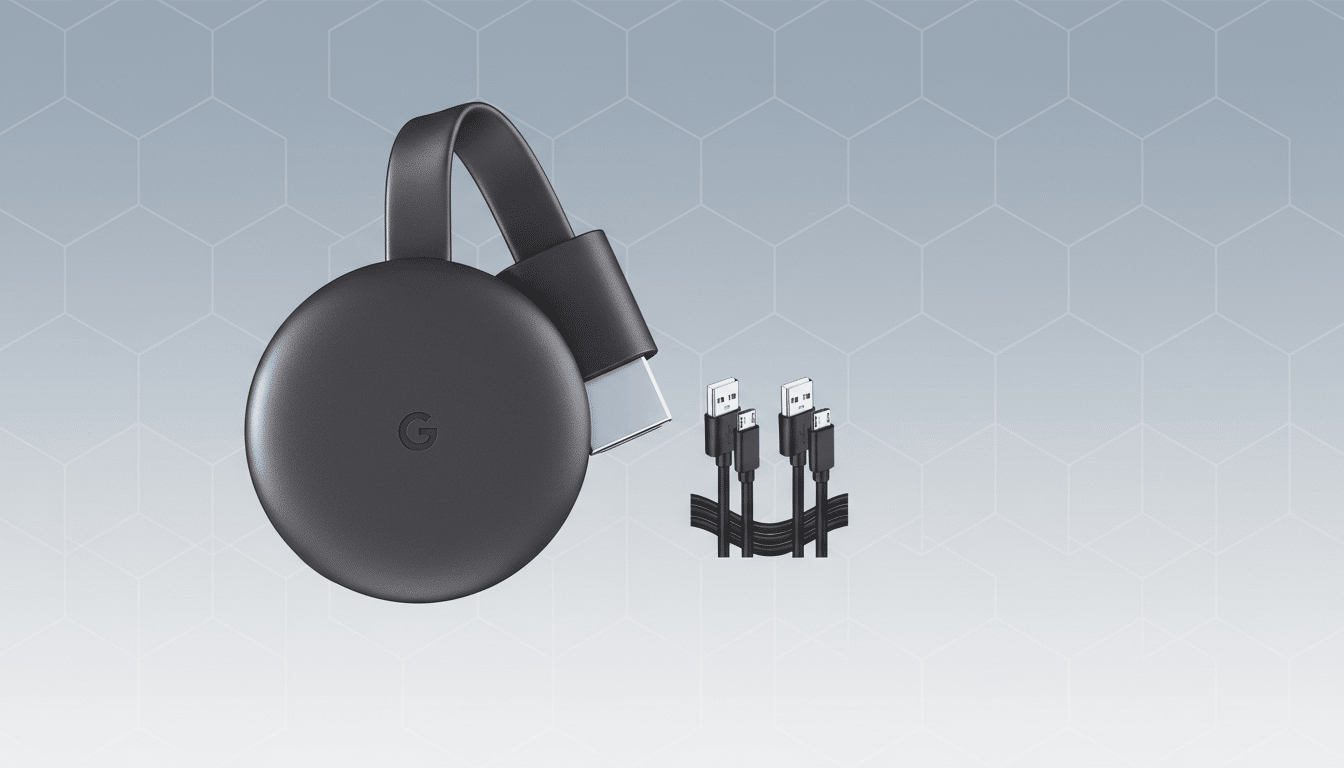
Why Casting Lost Steam on Modern TVs and Devices
When Chromecast and similar protocols took off in the mid-2010s, casting felt magical. Phone-first browsing was faster than slogging through sluggish TV menus, and tapping a Cast icon was the quickest path to the big screen. But the equation has changed. Today’s smart TVs and streaming boxes launch apps quickly, remember user profiles, and surface personalized rows with minimal friction.
That shift reduces the need to “remote-control” the TV from a phone. And for a service like Netflix, every extra surface area adds engineering work: protocol changes, DRM and ad-tech compliance, session handoffs, audio sync, subtitle rendering, and QA across hundreds of device permutations. The payoff must justify the complexity. If casting sessions represent a modest slice of engagement, the cost-benefit calculation turns against the feature.
Fragmentation hasn’t helped. There’s Google Cast on Android, AirPlay on Apple devices, Miracast on some TVs, and vendor-specific quirks throughout. Netflix has a history of consolidating toward experiences it fully controls—recall when it pulled AirPlay support years ago over device-certification concerns. The pattern suggests a bias toward reliability at scale rather than accommodating every handoff path.
The 10% Question: How Much Usage Still Matters
“Only 10%” can sound small or big depending on perspective. With Netflix’s enormous mobile footprint, that still amounts to millions of potential users. But product decisions at large streamers are typically driven by time spent, not just logins. If casting accounts for a thin share of watch hours—and if most high-value viewing happens inside native TV apps—the internal data likely pointed to diminishing returns.
There’s also an opportunity cost. Every engineer working on edge-case casting bugs isn’t improving TV app performance, ad delivery, personalization, or the company’s push into new categories like live events and games. In a constrained roadmap, features that don’t materially move retention or revenue are the first to go.
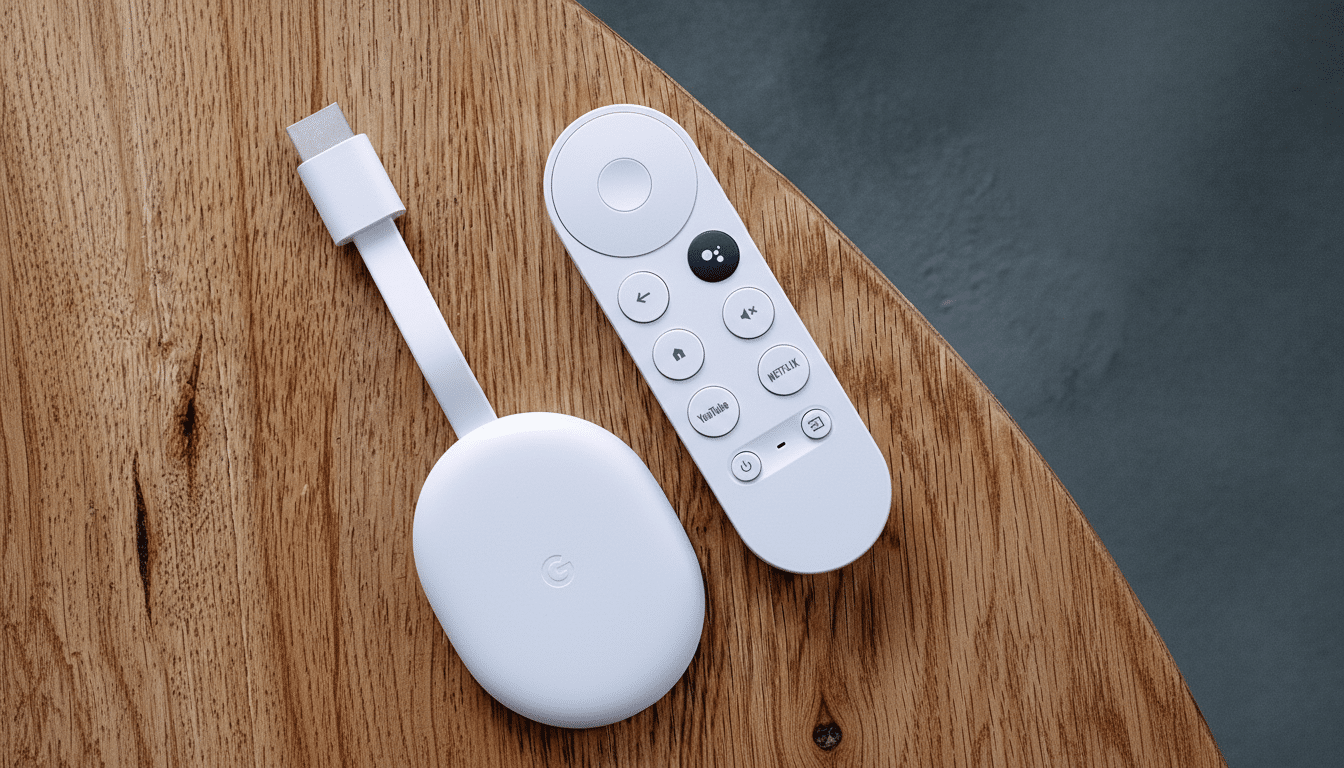
Signals From The Ecosystem on Casting and Apps
Interestingly, casting itself isn’t dead. Apple recently added Google Cast support to its Apple TV app on Android, indicating that some services still see value in phone-to-TV handoffs. Google continues to invest in Cast, emphasizing companion device experiences for media. And YouTube remains a standout example where casting thrives, thanks to its short-form browsing and high frequency of quick handoffs to the TV.
Netflix, however, is optimizing for different priorities. The company has been exploring second-screen interactions for gaming and interactive titles that rely on tight device orchestration. Running multiple, overlapping handoff systems can introduce reliability risks and user confusion. Consolidating around the primary TV app experience and controlled second-screen flows could be a deliberate simplification.
What Affected Viewers Can Do Without Casting
For households that relied on casting—especially those with projectors or older TVs lacking a robust Netflix app—the best alternatives are straightforward. Use a dedicated streaming device with a current Netflix app, such as a popular TV stick or box. An HDMI cable from a laptop remains the most reliable fallback for environments where apps are unavailable. Screen mirroring may work in a pinch, but DRM protections often limit quality and stability.
If casting was simply faster than navigating your TV, consider customizing the TV app’s home screen, pinning profiles, and enabling reduced animations where available. Small tweaks can recapture some of the speed that once made casting appealing.
The Bottom Line on Netflix Dropping Casting Support
While Netflix hasn’t commented, the most plausible explanation is pragmatic: casting usage fell to a level that no longer justified the maintenance burden. The decision underscores a broader trend—streamers are doubling down on the living room app experience that captures the bulk of view time. Casting still matters to a devoted minority and will remain alive in other services, but for Netflix, the gravity has shifted decisively back to the remote.