


California’s massive economy offers immense opportunity, but the regulatory environment demands precision from the moment you begin. You must navigate a specific set of administrative hurdles to ensure your venture stands on a firm foundation. Success depends on your ability to translate an abstract idea into a structured, compliant, and legally recognized entity.
Understanding Business Formation Basics
You must define exactly what your company does and how you intend to run it before you file a single piece of paperwork. Choosing a legal structure, whether a sole proprietorship or a more complex corporate framework, determines your personal liability and how the government taxes your income.
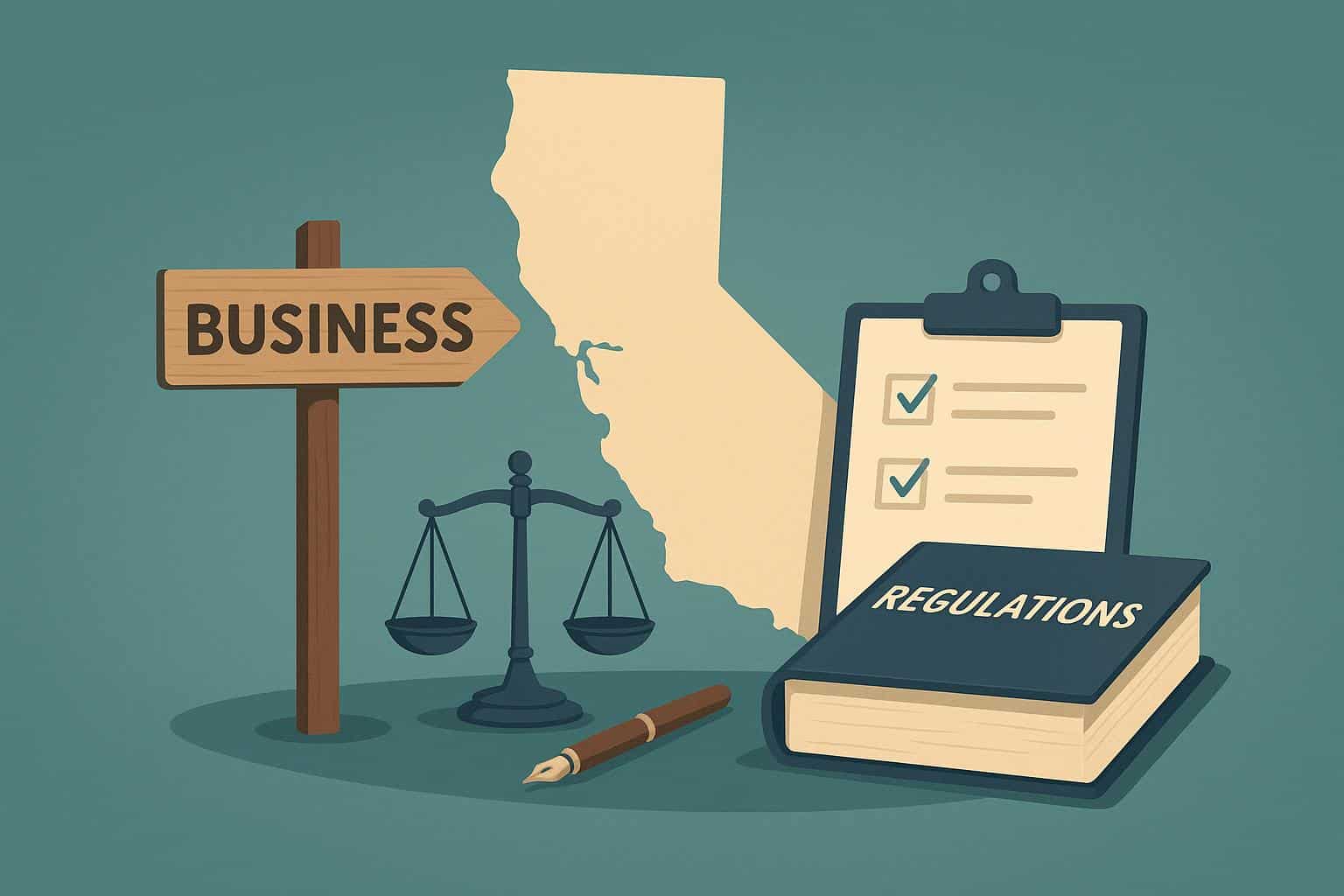
Many founders rush this stage only to realize later that their chosen framework restricts their ability to raise capital. You prevent administrative friction during the registration process by clarifying your business goals early.
This initial clarity allows you to draft governing documents that reflect your operational reality.
Key Registration Steps in California
Your journey begins with securing a unique identity. The California Secretary of State maintains strict standards for business names; therefore, you should check the state’s database to ensure your desired name remains available.
After you verify the name, you will need to appoint a registered agent. This person or entity agrees to accept legal summons on your behalf to ensure the state has a reliable point of contact.
Most founders then submit their primary formation documents to record the company’s existence within the state’s jurisdiction.
Forming an LLC in California
Entrepreneurs frequently favor the Limited Liability Company because it shields personal assets from business debts while allowing for a simpler management style.
When you research how to start an LLC in California, you will find that the process involves filing Articles of Organization with the Secretary of State. This specific document outlines whether members or appointed managers will run the daily operations.
By opting for this path, you gain the ‘pass-through’ tax benefits of a partnership while enjoying the professional credibility of a formal entity. This balance helps you attract partners who value the security of a registered business.
Ongoing Compliance Requirements
California requires most entities to file a Statement of Information shortly after organizing to keep contact details current. You must also account for the state’s minimum franchise tax, which applies to nearly every registered business regardless of annual revenue.
Keeping meticulous records of meetings and financial transactions protects your corporate veil and proves that you operate the business as a separate legal entity. Maintain a dedicated calendar for these deadlines to avoid the suspension of your business rights.
Preparing for Operations and Growth
Transitioning from a legal entity to a functioning business requires a separate financial infrastructure.
You should open a business bank account immediately to prevent the commingling of personal and professional funds. Drafting standard contracts for your first clients or suppliers further solidifies your professional standing. As you refine these internal processes, you build the scalability necessary to handle increased demand.
Planning for this growth ensures that your administrative capacity matches your commercial ambitions and keeps the business running for years to come.