


Acne is one of the most common skin concerns, affecting teenagers and adults alike. While breakouts often appear on the surface of the skin, the factors that contribute to acne can be much more complex. Hormones, stress, genetics, diet, skincare habits, and overall health may all play a role.
Many people explore naturopathy as part of their overall acne management plan because it focuses on the whole person rather than the skin alone. A naturopath for acne aims to identify lifestyle and health factors that may contribute to ongoing breakouts while encouraging healthy habits that support overall wellbeing. It is important to remember that acne can have many causes, and moderate to severe acne should always be assessed by a qualified healthcare professional.
- What Is a Naturopath?
- Why Acne Can Be So Complex
- How a Naturopath May Assess Acne
- Healthy Habits That May Support Skin Health
- Common Misconceptions About Acne
- Acne is caused by poor hygiene
- Only teenagers get acne
- Sun exposure clears acne
- Every breakout has the same cause
- When to See a Healthcare Professional
- Acne is painful or severe
- Breakouts are affecting confidence
- Over-the-counter products are not helping
- Acne leaves scars
- Can Naturopathy Be Used Alongside Conventional Care?
- Conclusion
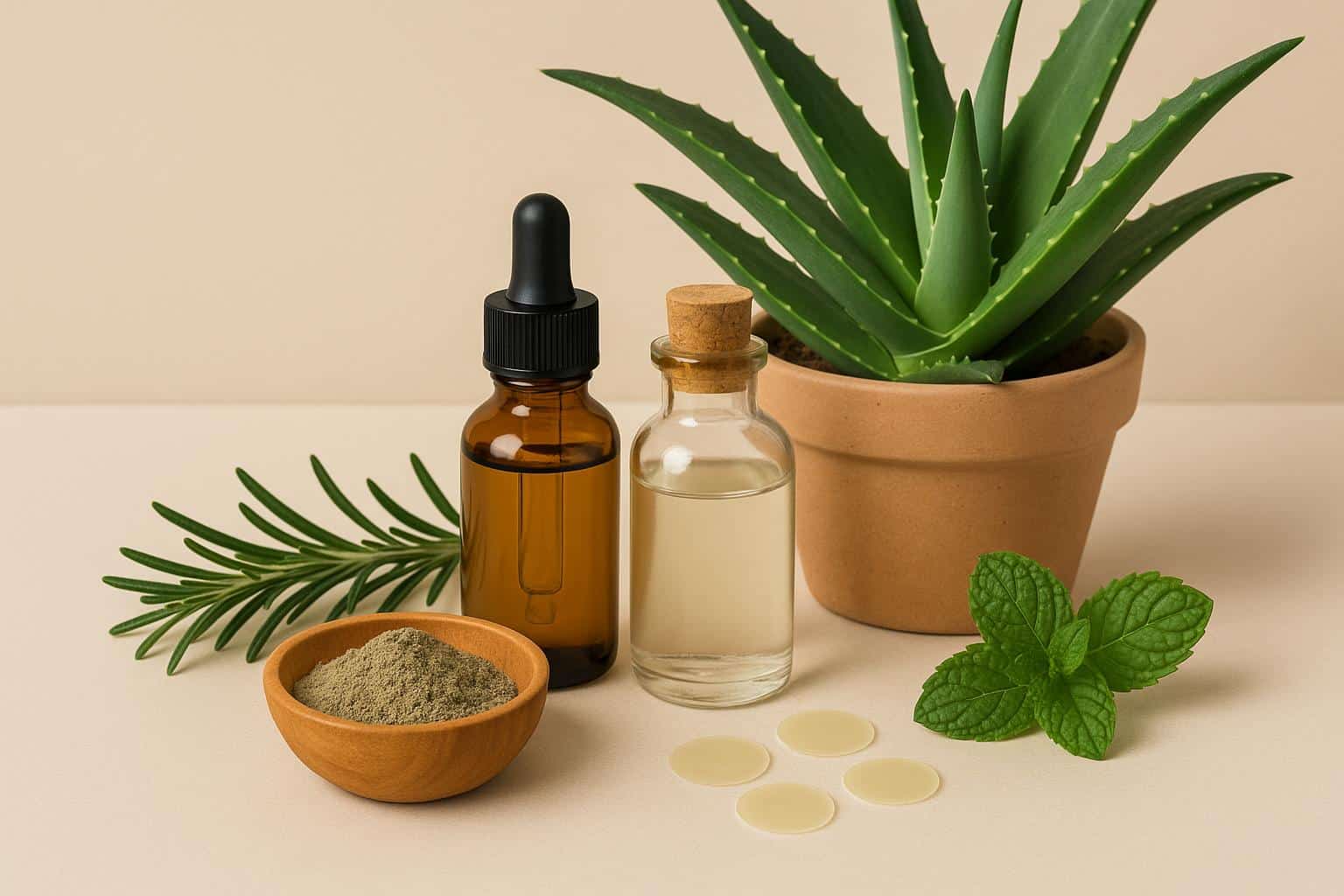
What Is a Naturopath?
A naturopath is a health practitioner who takes a holistic approach to wellness. Rather than focusing only on visible symptoms, they consider a person’s overall lifestyle, nutrition, sleep, stress levels, and general health.
Depending on an individual’s needs, a naturopath may recommend:
Nutrition guidance
Diet plays an important role in overall health. A naturopath may help identify eating habits that support healthy skin while ensuring nutritional needs are met.
Lifestyle recommendations
Daily routines, physical activity, sleep quality, and stress management may all influence general wellbeing and potentially affect skin health.
Herbal and nutritional support
Where appropriate, some naturopaths may recommend herbal medicines or nutritional supplements. These should always be used under professional guidance, particularly if someone is taking prescription medications.
Why Acne Can Be So Complex
Acne develops when hair follicles become blocked with oil, dead skin cells, and bacteria. However, several factors may influence how often breakouts occur or how severe they become.
These may include:
- Hormonal fluctuations
- Family history
- Stress
- Certain cosmetic products
- Diet in some individuals
- Poor sleep habits
- Environmental factors
Because everyone’s skin is different, what works well for one person may not work for another.
How a Naturopath May Assess Acne
One of the defining features of naturopathy is the detailed consultation process. Rather than focusing only on the skin itself, a naturopath may ask questions about many aspects of your health.
Medical history
Understanding previous skin treatments, medications, allergies, and overall health provides valuable background information.
Diet and eating habits
Food choices may be reviewed to ensure a balanced diet that supports overall wellbeing.
Lifestyle
Stress levels, exercise, work routines, and sleep quality can all provide useful insights into daily health habits.
Hormonal health
For some people, hormonal changes may coincide with acne flare-ups. This may be discussed as part of the overall assessment.
Healthy Habits That May Support Skin Health
Although there is no single solution for acne, several healthy habits may benefit both the skin and overall health.
Follow a balanced diet
Eating a variety of vegetables, fruits, whole grains, lean proteins, and healthy fats supports general nutrition.
Stay hydrated
Drinking enough water helps support normal body functions and overall wellbeing.
Get enough sleep
Quality sleep allows the body time to recover and may help support healthy daily functioning.
Manage stress
Long-term stress can affect many aspects of health. Relaxation techniques such as walking, meditation, or yoga may help reduce stress levels.
Use gentle skincare
Avoid harsh scrubbing or excessive cleansing, which may irritate the skin. Choose skincare products suitable for your skin type.
Common Misconceptions About Acne
Many myths continue to surround acne, making it difficult to know what information to trust.
Acne is caused by poor hygiene
This is false. Acne is not simply the result of dirty skin. Overwashing may actually irritate the skin further.
Only teenagers get acne
Adult acne is common and can affect people well into their 30s, 40s, and beyond.
Sun exposure clears acne
While some people notice temporary improvements, excessive sun exposure can damage the skin and increase the risk of premature ageing and skin cancer.
Every breakout has the same cause
Acne can develop for many different reasons, which is why treatment approaches often vary between individuals.
When to See a Healthcare Professional
Occasional pimples are common, but professional advice may be helpful if:
Acne is painful or severe
Large cysts or nodules can increase the risk of permanent scarring.
Breakouts are affecting confidence
Persistent acne can impact emotional wellbeing and self-esteem.
Over-the-counter products are not helping
If standard skincare products have not improved symptoms after several weeks, further assessment may be worthwhile.
Acne leaves scars
Early treatment may help reduce the likelihood of long-term skin changes.
Can Naturopathy Be Used Alongside Conventional Care?
Many people choose to include naturopathy as part of a broader health plan. In many cases, naturopaths work alongside general practitioners, dermatologists, and other healthcare professionals to support overall wellbeing.
Open communication between all healthcare providers is important to ensure treatments complement one another safely.
Conclusion
Acne is rarely a one-size-fits-all condition. While skincare products remain an important part of many treatment plans, overall health, nutrition, stress, and lifestyle may also influence skin wellbeing.
A naturopath takes a holistic view by considering the broader factors that may contribute to recurring breakouts and encouraging healthy lifestyle habits that support overall wellness. For people looking to better understand their skin, combining professional medical advice with healthy daily habits can be a practical step toward long-term skin health.