


Color has always been central to how food is experienced. It shapes perception, signals freshness, and influences expectations of flavor and quality. As ingredient awareness grows, both manufacturers and consumers are paying closer attention to how those colors are created. This has driven increasing interest in natural food colors, including plant-based alternatives for achieving vibrant red shades through natural red food coloring.
These naturally sourced pigments represent more than aesthetic enhancement — they reflect changing priorities around transparency, sourcing, and product perception.
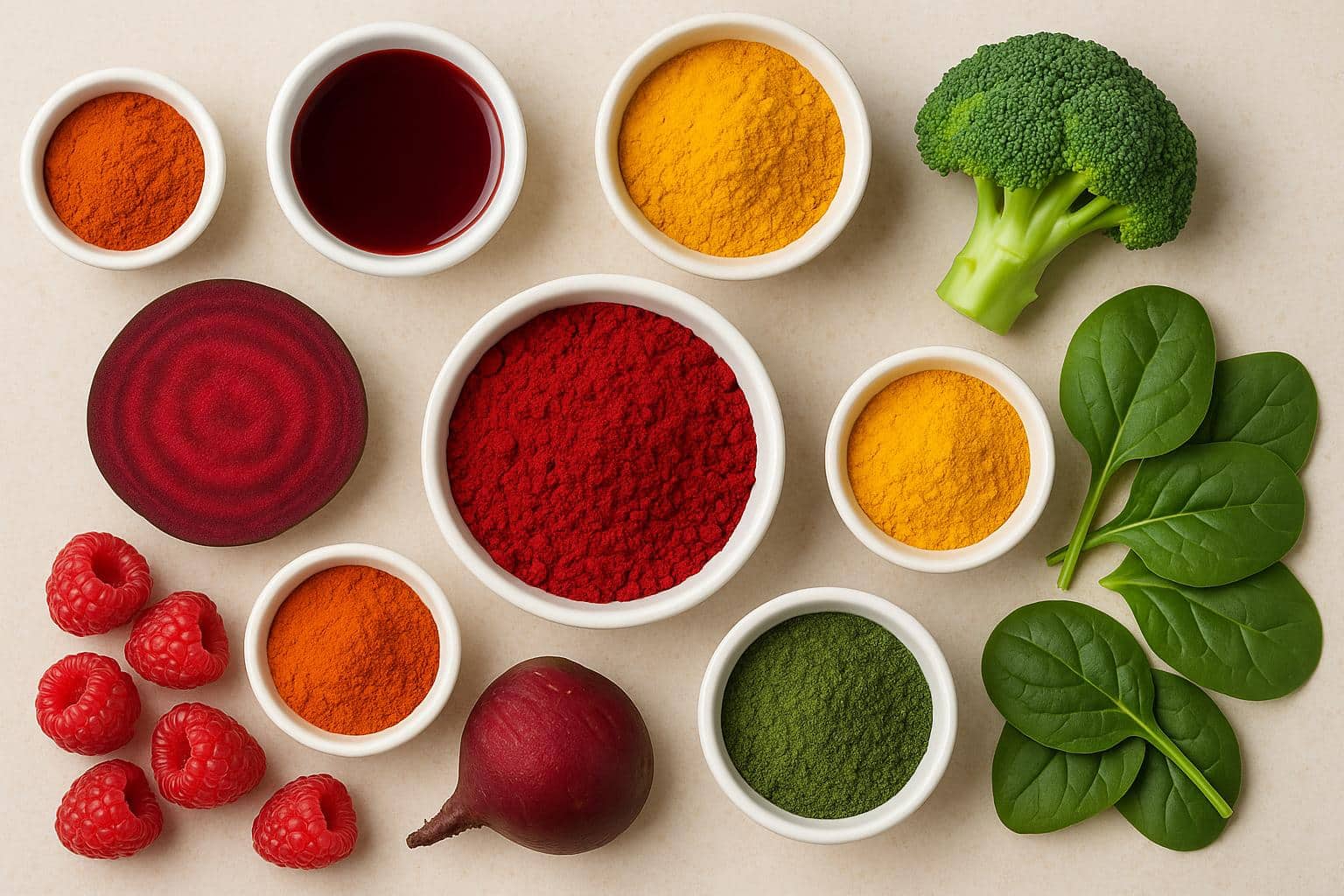
What Are Natural Food Colors?
Natural food colors are pigments extracted from naturally occurring sources such as fruits, vegetables, spices, or edible plant materials. Instead of synthetic chemical synthesis, these colors rely on isolating and processing pigments already present in nature.
Examples of widely used sources include:
- Yellow tones from turmeric
- Green pigments from leafy plants
- Orange shades from paprika
- Blue hues from algae-derived pigments
- Red tones from botanical or fruit-based sources
The growing adoption of natural food colors is influenced by evolving consumer expectations around ingredient familiarity and clean labeling. Products that highlight recognizable sources often resonate with buyers seeking transparency in formulation.
While natural pigments may require more complex handling than synthetic dyes, they continue to gain relevance across industrial and home applications.
Understanding Natural Red Food Coloring
Among the spectrum of natural food colors, red pigments hold particular importance due to their widespread use in confectionery, beverages, baked goods, and dairy products. Natural red food coloring refers to red shades obtained from plant or mineral-based sources rather than artificial dyes.
Common sources include:
- Beetroot-derived pigments
- Anthocyanins from fruits or vegetables
- Paprika extracts
- Other botanical concentrates capable of producing red hues
These pigments offer color ranges from soft pink to deep crimson depending on processing, concentration, and formulation conditions.
Red shades are often associated with sweetness, ripeness, and indulgence, making natural red food coloring highly valuable in product presentation and consumer perception.
Applications of Natural Red Food Coloring
Natural red food coloring is used across multiple categories where visual appeal is essential. Typical applications include:
- Confectionery coatings and fillings
- Bakery icings and decorations
- Fruit-based beverages
- Yogurts and desserts
- Snack seasonings
Within the broader use of natural food colors, red pigments play a central role because they contribute to emotional and sensory expectations around flavor intensity and enjoyment.
Their versatility makes them adaptable for both artisanal and large-scale production settings.
Formulation Considerations and Challenges
Despite their advantages, working with natural food colors can involve technical complexities. Red pigments are particularly sensitive to environmental factors, which may include:
- pH sensitivity affecting shade stability
- Heat exposure altering intensity
- Light-induced fading
- Variability in raw material sourcing
For natural red food coloring, maintaining consistency across batches requires careful ingredient selection, processing control, and testing. These challenges explain why adopting natural pigments often involves formulation adjustments rather than direct substitution for synthetic alternatives.
The Growing Role of Natural Food Colors
Research and technological advancement continue to expand the functionality of natural food colors. Improved extraction methods, stabilization techniques, and agricultural innovation are enhancing performance and reliability.
As ingredient transparency becomes more central to product positioning, natural red food coloring and similar plant-based pigments are expected to play an increasingly prominent role in future food development. Their adoption reflects a shift in how visual appeal aligns with consumer trust and sourcing awareness.
Conclusion
The rising interest in natural food colors highlights changing expectations around both appearance and ingredient origin. Within this evolving landscape, natural red food coloring offers versatile, plant-derived options for achieving appealing red shades while aligning with modern formulation priorities.
Although technical challenges remain, ongoing innovation continues to expand possibilities. As food systems adapt to shifting consumer perspectives, naturally sourced pigments are likely to remain a significant part of how color, perception, and transparency intersect in contemporary food production.