


The credit card-sized 4G handset NanoPhone is currently on sale for just $84.97—marked down from its normal list price of $199.99 (a discount of 57%). It’s a rare offering in a market of monster 6-inch slabs: an honest-to-goodness smartphone you can slip in your wallet, run everyday apps on, and offer travelers or minimalists that cheap backup that doesn’t suck and never leaves you feeling like it’s there to humiliate you when others see it.
Pocket Size Without Losing Essential Features
For starters, despite its minuscule footprint, the NanoPhone checks off all of the must-have boxes. It has a 3.0-inch touch screen running on Android 10, with essentials like WhatsApp, Instagram, YouTube, Facebook, and popular navigation tools included. With dual SIM, you can juggle a personal line and a work line or a voice line and a data plan without requiring as many devices.
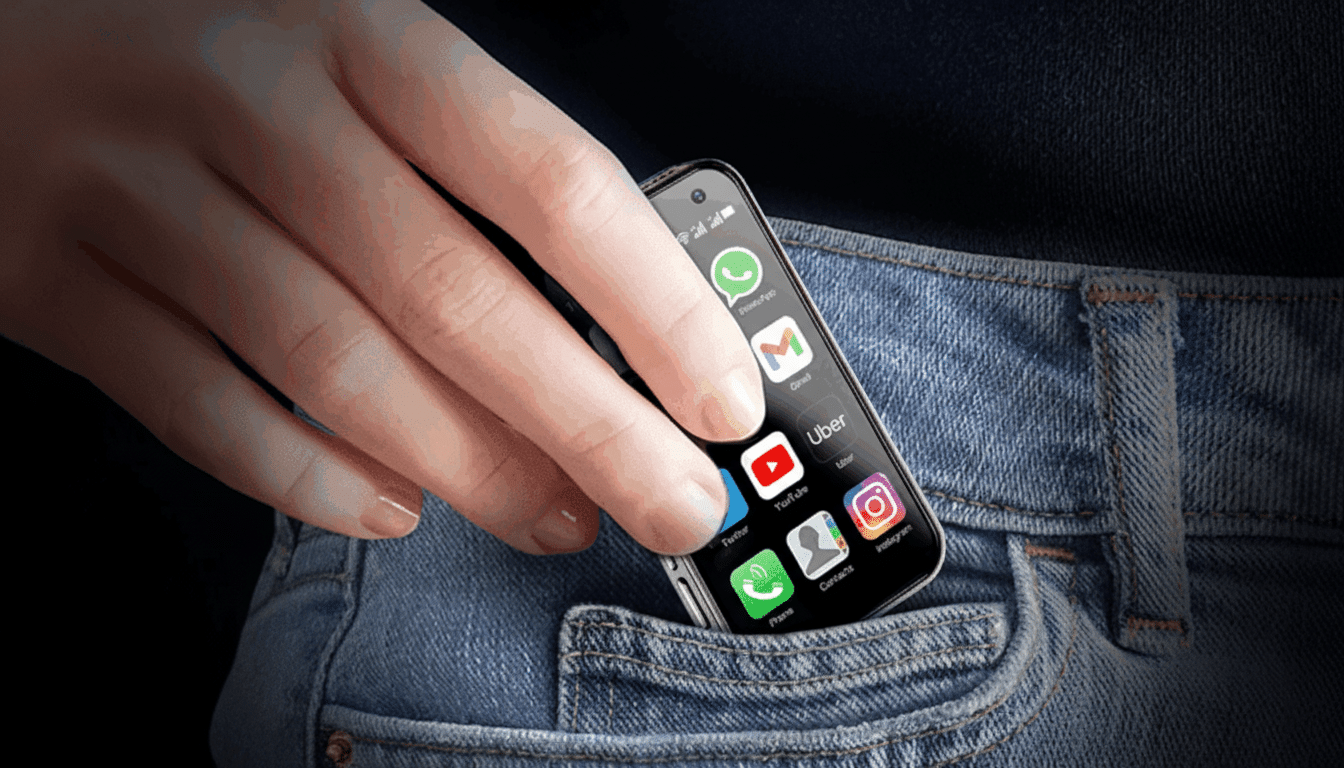
Connectivity comes via 4G LTE and Wi‑Fi, powered by a 2,000mAh battery that charges through USB‑C. GPS is included for turn-by-turn directions and location sharing. For calls and quick snaps, there is a 5MP rear-facing camera and a 2MP front-facing one — basic yet serviceable for video chats and document photos. Storage is expandable via microSD, and weighing only 2.8 ounces, it’s lighter than most metal band-equipped smartwatches you’ll find.
A kickstand case, screen protector, and USB‑C cable plus SIM ejector tool are impressively complete inclusions for the price. The SIM card and service plan are not included, but the out-of-box kit makes it easy to get rolling.
Why an $85 Mini Phone Works as a Practical Second Device
Second phones are only becoming more of a niche — devices that can do things like communicate, process payments, and navigate but without the size or risk profile of a flagship $1,000 gadget. Festival-goers, runners, cyclists, and parents in search of a starter device would all benefit from something this small. Business tourists, meanwhile, have the flexibility of slotting in a SIM card for making local calls (and not risk roaming charges) while still being accessible on a domestic number put in place in the second slot.
Coverage is not a concern for most people, either. According to GSMA data, 4G networks cover almost all people on Earth, so LTE is the safe starting point for calls, texts, and app data in most places. At the same time, analysts from Counterpoint Research have seen prices creep up for smartphones at all levels, which makes it more than an uncommon find to discover a fully functional unlocked handset below $100.
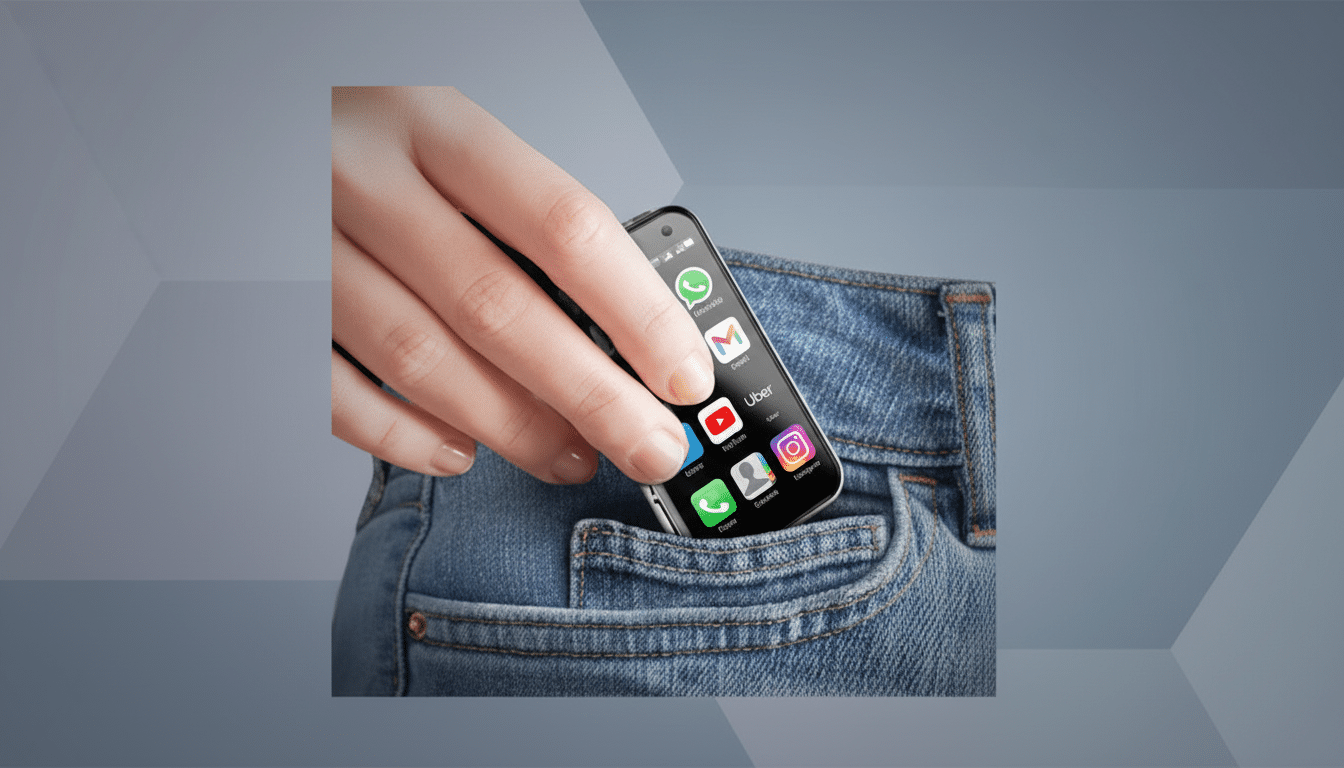
The price proposition of the NanoPhone is not brute-force muscle; it’s pure utility: something that you can stuff in a cardholder, gym bag, or car glove compartment but that will still run your messaging apps and maps single-mindedly.
It makes sense to me!
Carrier and Compatibility Caveats to Check Before Buying
As with any unlocked phone, carrier fit is important. Ensure that the LTE bands work with your provider’s network and that it supports Voice over LTE (VoLTE) on your line. Some carriers have lists of approved devices or want an IMEI check before you start service; a short phone call or BYOD lookup can head off the hassles. Dual SIM is great for travel, but please be aware that this phone relies on physical, rather than electronic, SIMs.
If you want to use it as a dedicated hotspot or navigation device, test out your primary use case first. Messaging, casual and social browsing, and streaming short clips are its wheelhouse; heavy-duty gaming or multitasking isn’t the point of a 3-inch smartphone.
How It Compares With Other Small Phones on the Market
The world of ultra-compact phones is slim. The Unihertz Jelly line is similar in that it delivers very small Android phones, only in relatively more expensive configurations, though the also-super-small Palm companion phone sacrificed battery life and performance for size. And minimalist devices, like the Light Phone 2, go even smaller and simpler with e-paper displays but completely bypass mainstream apps. The NanoPhone hits the sweet spot: It’s genuinely pocketable but still supports the app ecosystem that most users have come to expect, and at $85, it comes in well below what its competitors charge.
If you’ve ever tried to leave a modern flagship behind only to realize that a feature phone is too limiting, this form factor can be the compromise between them — modern connection without the distraction of a giant screen.
The Bottom Line on the NanoPhone Pocket 4G Smartphone
At $84.97, the NanoPhone offers workable smartphone performance in something that more or less disappears into your pocket. With dual SIM versatility, Android app support, and 4G connectivity, it serves as a smart backup that can support you through your travels or work as the daily driver in the minimalist household. Verify carrier compatibility and temper your expectations for size, and you’re coming out ahead with an impressively practical device.