


I’ve tested all the iPhone 17 models — the standard 17, as well as the 17 Pro and 17 Pro Max and even the ultra-thin iPhone Air — and my purchase advice this year is different. The math has been turned on its head in unexpected ways, and the advice I’ve defaulted to for years no longer holds.
Short version: nearly everyone should begin with the iPhone 17, the Air is a bonus thrill for early adopters, and the Pros at last solve two amount-of-use pain points for power users. Here’s how to do it confidently.
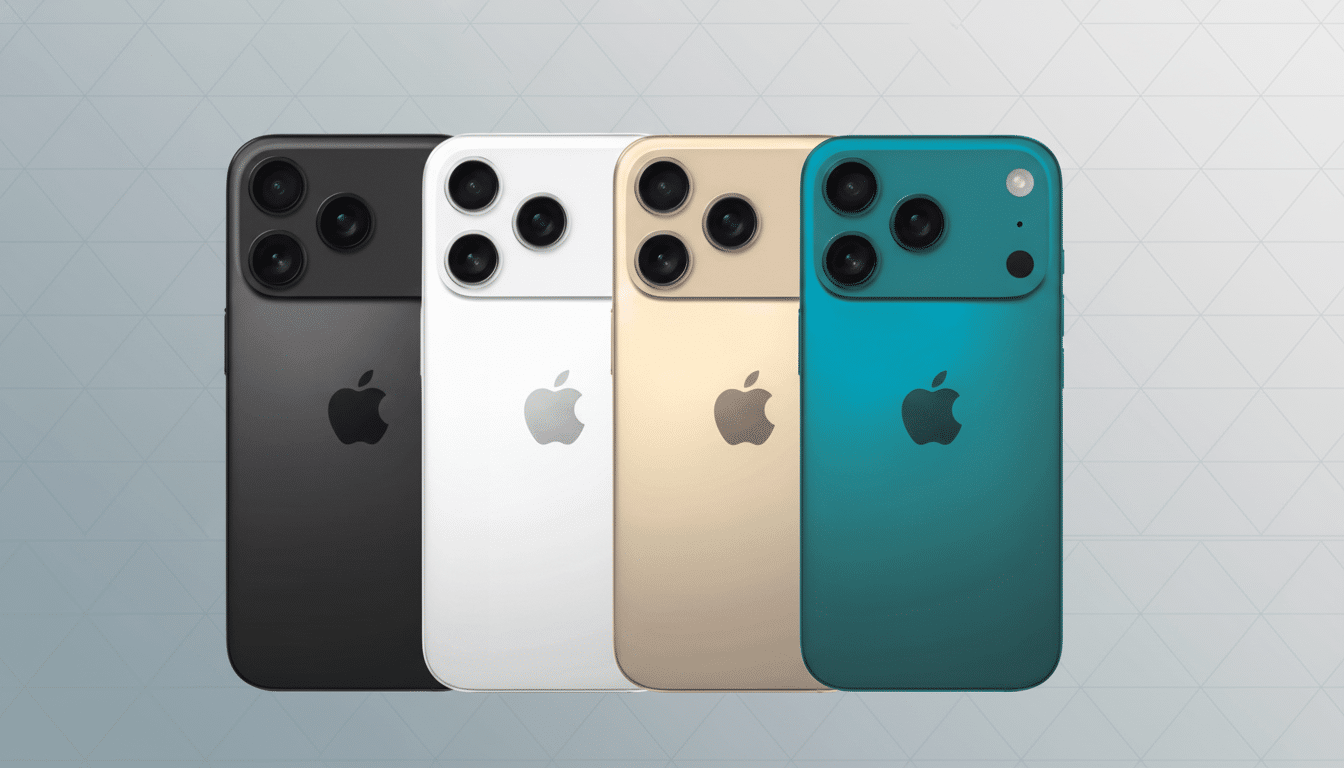
The regular iPhone 17 is the place to start
The base model is not so basic anymore. Apple’s 6.3-inch screen boasts 120Hz ProMotion, 3000 nits peak brightness, an anti-reflective coating, thinner bezels and an always-on mode. Also outdoors, the increased overall brightness and lessened reflectance of glare have more of an impact in daily use than spec-sheet comparisons might suggest — stuff like text or maps will remain legible where previous models would wash out.
The cameras have stepped up their game, too. You’re handed a 48MP main and 48MP ultra-wide, plus a new front sensor that automatically supports square capture and creates 18MP images whether you shoot vertically or horizontally. The software now does auto-detection of faces and scenes to determine the optimal orientation and portrait depth for a shot. That’s trickle-down tech the standard model hasn’t previously received so swiftly.
Yet value counts, and the iPhone 17 quietly resets it: base storage leaps to 256GB at the same $799 sticker. For comparison, both the Pixel 10 and Galaxy S25 still start at 128GB for around that money. It swaps losing the dedicated telephoto, compared to the previous-generation iPhone Pro, for equaling or surpassing it in several other areas (the front camera, display and storage) at a considerably lower cost.
Who it’s for: Anyone on an iPhone 13 Pro or 14 Pro who uses optical zoom infrequently receives a more modern screen, a better front camera, and gobs more storage (for less) without the Pro premium.
That’s the sweet spot for the mainstream.
Who should choose the iPhone Air this year
Hold the Air and you’ll immediately understand. It is so freakishly thin — basically as thin as a USB-C port — and light that it can disappear into a pocket. It feels like a technology showpiece built for the future, an example of just how far engineering could push a slab phone while we all hold our breath to see what a foldable iPhone will look like in the years ahead.
But thin comes with trade-offs. The battery life and camera versatility aren’t calibrated for the long day or demanding shooter. If you do mostly messaging, streaming and scanning socials, the feel is fine; if you edit video, shoot lots of moving photos or count on long GPS sessions, expect midday top-ups. My advice: try it in person. Ergonomics are the Air’s superpower, and your hand will inform you in seconds whether it is worth the effort of the compromises.
Who’s it for: early adopters and design-first buyers who crave a featherweight profile and in-the-pocket feel, over all-out battery life and camera range.
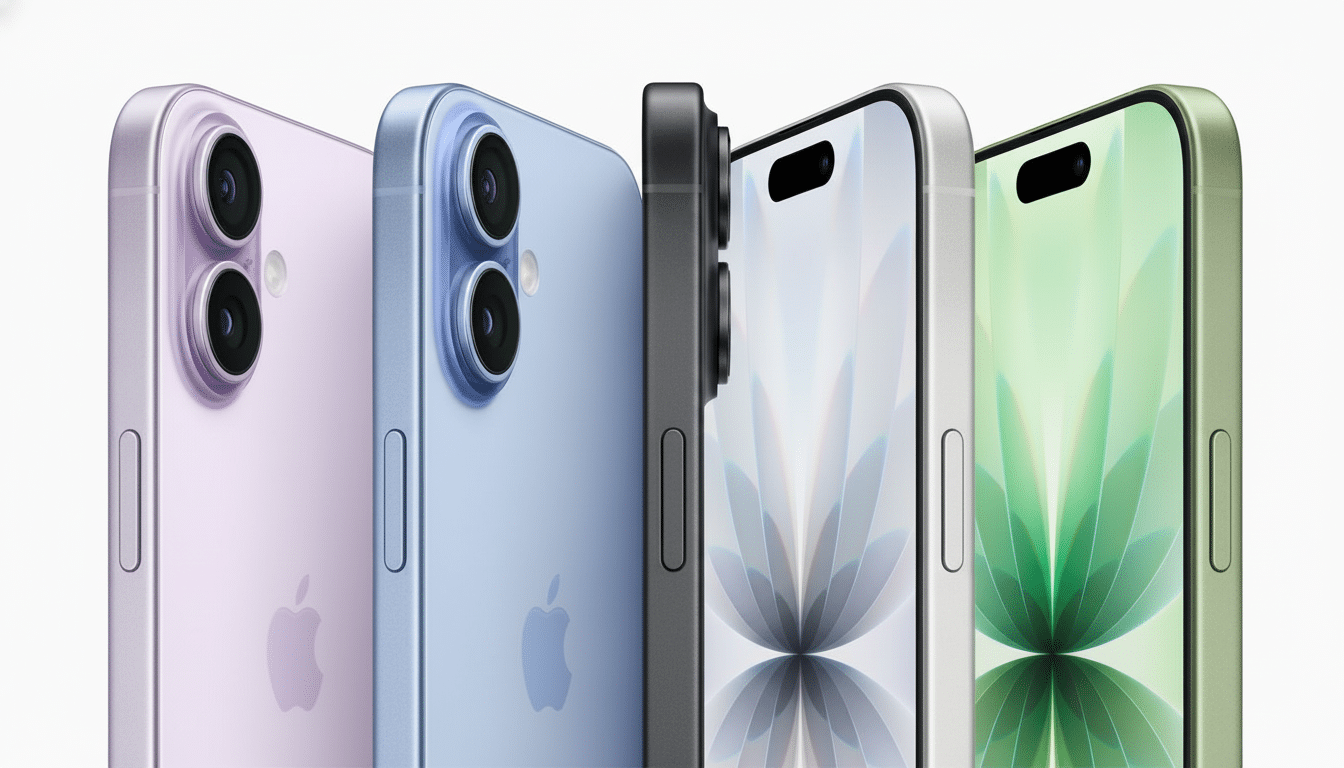
Pro and Pro Max: heat and zoom are finally fixed
Enthusiasts know the two weak spots that plagued recent Pro Max models: sustained heat when using the camera heavily or in low-signal conditions, and a telephoto lens that lagged behind quality of the main sensor. Both will get a serious look this time.
Apple switches from titanium to aluminum and introduces a vapor chamber to keep the A19 Pro running at full tilt for longer. Aluminum conducts heat roughly 10 times better than titanium, and along with the vapor chamber it helps transfer and dissipate heat more effectively while capturing video in 4K, gaming or sharing a hotspot. Early field time is indicating fewer temperature spikes in scenarios that would previously cause throttling. We’ll have to wait for teardowns from iFixit and deep dives from AnandTech to see how effective that cooling solution is, but the direction is promising.
And the telephoto has morphed: a 48MP tetraprism sensor at 4x creates a 12MP image that logs an 8x crop, which, Apple says, is close to optical quality. In practice, detail and color stand up much better than 5x shots from previous Pros when you start editing. It’s still not going to replace a dedicated camera with long glass, but the gulf has closed. Independent testing from DxOMark will quantify the improvement; my eyes already confirm it.
Who’s it for: makers, globe-trotters, sports parents and anyone who hit thermal walls recently on a Pro or Pro Max. If you value a reliable long-range zoom and sustained performance, this is the first Pro in quite some time that clears both of those hurdles at once.
The varied advice, in plain language, for iPhone 17 buyers
For most people, that means buying the iPhone 17 and sticking the difference in your pocket. You’re still getting best-in-class screens, additional storage and cameras that will last you for years. Industry analysts, like CIRP, have observed upgrade cycles of more than three years; momentum from a high starting point edges feature niches.
Consider upgrading early to either the 17 Pro or Pro Max if your Pro heats up under pressure or you shoot longer than you would at 3–4x; carrier trade-ins for premium models generally see the strongest offers, and Counterpoint has continued to report high retention in premium that will help offset some of the cost.
If the desire for the feel of an ultra-thin gadget beats in your very heart and you’re comfortable with a little less stamina, then the iPhone Air is what you should be getting.
Everyone else is better served by the standard 17 or a Pro model long-term.
What I’m still testing: how heat-resistant it is during prolonged 4K recording, whether that 8x zoom still competes with rivals like the Pixel 10 Pro XL and outdoor legibility over long days. We will have the full picture when we read what DisplayMate, DxOMark and independent laboratories say. For now, the advice holds — get the iPhone 17 plain, go Pro for heat and zoom, and regard the Air as the handsome outlier it is.