


Google One began as a simple offer to buy more cloud storage. Today, it’s a thicket of tiers, add-ons and AI upsells that can make it more complicated than necessary to understand what you’re paying for. If you have felt that the subscription has strayed from its second-day, everyday “life impact” value, as Spjut put it, you’re not alone.
Here’s the USP of Google One that would actually work for most people: a racetrack-style cart, low-to-the-ground, family-friendly pack centered on storage, YouTube and the services that make Google’s ecosystem sticky — a sale to everyone but delivered at a bargain, not a peddled AI system you can’t opt out of.
Why Google One Now Feels Too Packed and Overwhelming
Over the past year, Google recentered Google One on AI, marketing an AI-inflected tier of 2TB (remember — just two terabytes!) and Gemini features in Gmail, Docs, and other software. For power users that’s fine. For everyone else, it’s bloat. A significant number of the service’s subscribers simply want dependable backup, peace of mind for their smart home and ad-free video.
Regional disintegration further confuses the picture. In the UK and other markets, Google has tested bundles with Nest Aware and Fitbit Premium at the 2TB tier. Such benefits aren’t uniform in the US. For its part, Google has started phasing out the Google One VPN, according to company notices, changing the value calculus even more.
That matters because the average household today has multiple digital subscriptions. YouTube said it has topped 100 million YouTube Music and Premium users globally, reflecting appetite for straightforward, high-value bundles. When plans shatter into regional shards and feature sets are extracted with tweezers, consumers ultimately end up paying more for less coherence.
The Perfect Google One Plan, Decrypted and Explained
But I’m a pragmatist. Here’s my wish list: 2TB of cloud storage, family sharing with up to five people, ad-free YouTube, Fitbit Premium and Nest Aware’s basic plan. Price it in the $20–$22 per month range.
Why this mix? Storage is the table stakes; 2TB is that real-world sweet spot for doing multi-device backups, Photos and Drive. YouTube Premium eliminates ads — perhaps the most “felt” improvement on a day-to-day basis. Fitbit Premium offers personalized health and wellness guidance long after the novelty of wearables fades. Nest Aware’s lowest tier provides essential video history and smart alerts, which is sufficient for most households.
Crucially, keep AI modular. Sell Gemini Advanced, long-context models or creative video tools as optional add-ons. People who need them will pay. All the others won’t feel forced to subsidize features they’ll never open.
The Pricing Logic Behind This Plan and Why It Might Work
Stack the current a la carte prices, and you’ll see why bundling wins. The 2TB storage option was historically priced at $9.99 per month. (You’ll pay more than that a month for just YouTube Premium; Fitbit Premium is approximately $9.99 a month, and basic Nest Aware is around $8 monthly.) You wouldn’t count on Google summing them up and calling it a day — that’s not how bundles win.
Instead, think ecosystem math. Apple One Premier, costing $37.95 in the US, includes 2TB of iCloud+ plus several services. Apple’s earnings calls increasingly emphasize services-driven revenue and retention. A slimmer, more Google-centered package at ~$20–$22 would also undercut that price and bind users more firmly to Google’s ecosystem of Photos and YouTube as well as Fitbit and Nest. And the lower ARPU per service is compensated by family sharing, increased engagement and radically lower churn — something that companies like CIRP have always linked to multi-service bundles and shared plans.
There’s also a brand clarity win. A “Storage + Everyday Services” plan would create a clear distinction between normal users and creators or professionals who actually need AI improvements. In other words: one app for the rest, and one store for specialized AI.
A Smarter Way to Offer AI: Modular Add-Ons, Not Mandates
AI shouldn’t be the tax for wanting more storage. Turn AI into a catalog of add-ons: Gemini Advanced for long-context work, premium photo and video generation tools, code assistants, data analysis models. Connect each to clear quotas and transparent training policies. If Google wants to at least create the appearance of trust around AI, uncoupling it from simple cloud storage is a good place to begin.
There is precedent for this modularity. Cloud purveyors like Microsoft carve up Copilot tiers, and creative suites charge newer models separately. In short: Sell AI to those who want it, not to those who only need their memories refreshed.
Your Turn: Create the Google One Bundle That Fits You Best
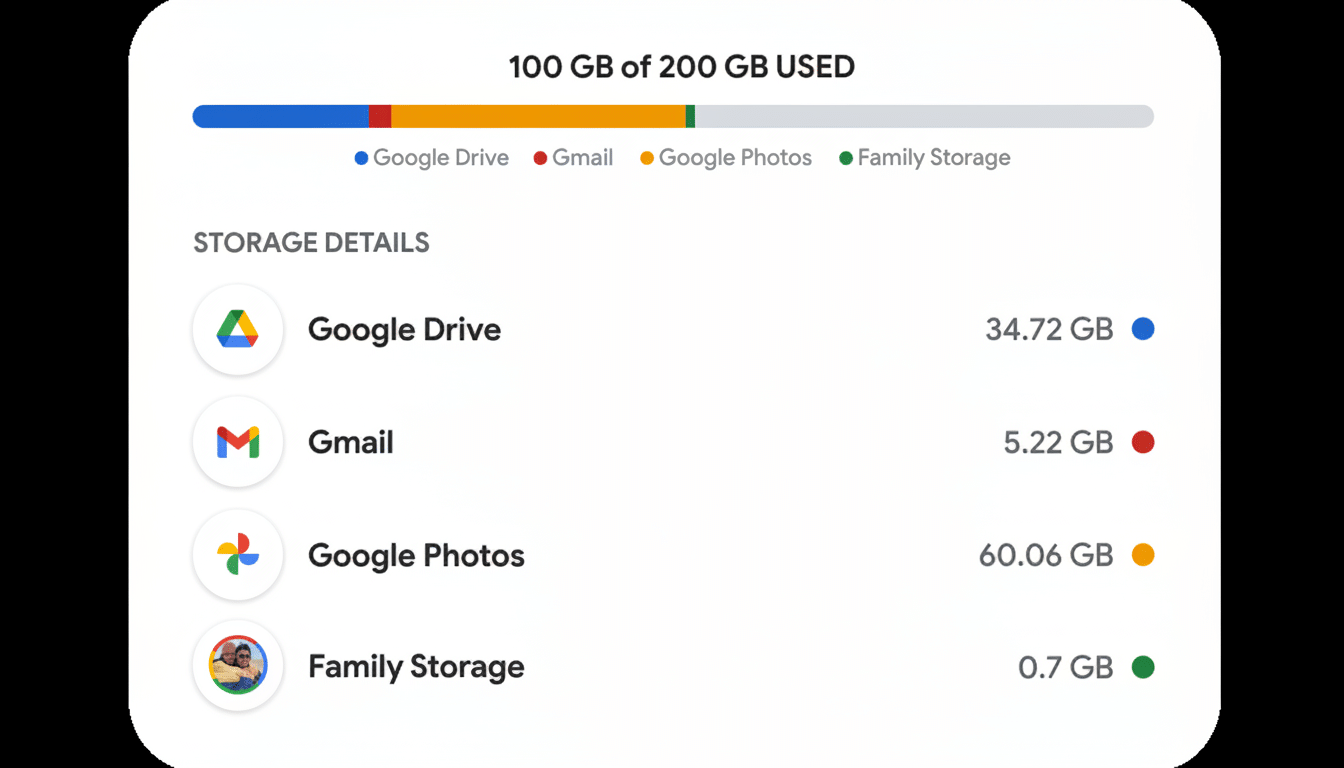
You might swap YouTube for Google Play Pass, or Fitbit Premium for more extensive Photos editing features. Maybe 200GB is sufficient if you live in shared albums. The thing is choice — and a framework that reflects how the various families of households use Google’s wares in real life.
Here’s what it would look like if I were in charge of those things:
I’d make it pretty simple for most people: 2TB, family sharing, ad-free YouTube, Fitbit Premium, and basic Nest Aware for about $20–$22 (with AI sold separately). If Google wants Google One to be essential again, this is the bundle that does it.