


Barcelona is about to become the capital of mobile again, and the agenda looks more ambitious than it has in years. Organized by the GSMA, the show typically sets the tone for the next 12 months of devices, networks, and software. After drawing well over 100,000 attendees last year, momentum is squarely behind AI-first phones, new foldable shapes, and 5G Advanced features that move beyond raw speed.
AI Phones Take Center Stage With On-Device Intelligence
Expect “on-device” to be the phrase you hear most. Phone makers will showcase models capable of running generative AI assistants locally, minimizing latency and preserving privacy. Think image generation without the cloud, live translation that works offline, and camera pipelines that clean up noise and adjust tone mapping in real time.
- AI Phones Take Center Stage With On-Device Intelligence
- Foldables, Rollables, and New Form Factors Emerge
- 5G Advanced and Satellite-to-Phone Connectivity Move Closer to Reality
- Wearables, XR, and Ambient Devices Gain New Capabilities
- Brands to Watch in Barcelona as Launches and Demos Land
- Sustainability and Repairability Move Upstream in 2025
- Why It Matters for Consumers, Carriers, and Device Makers
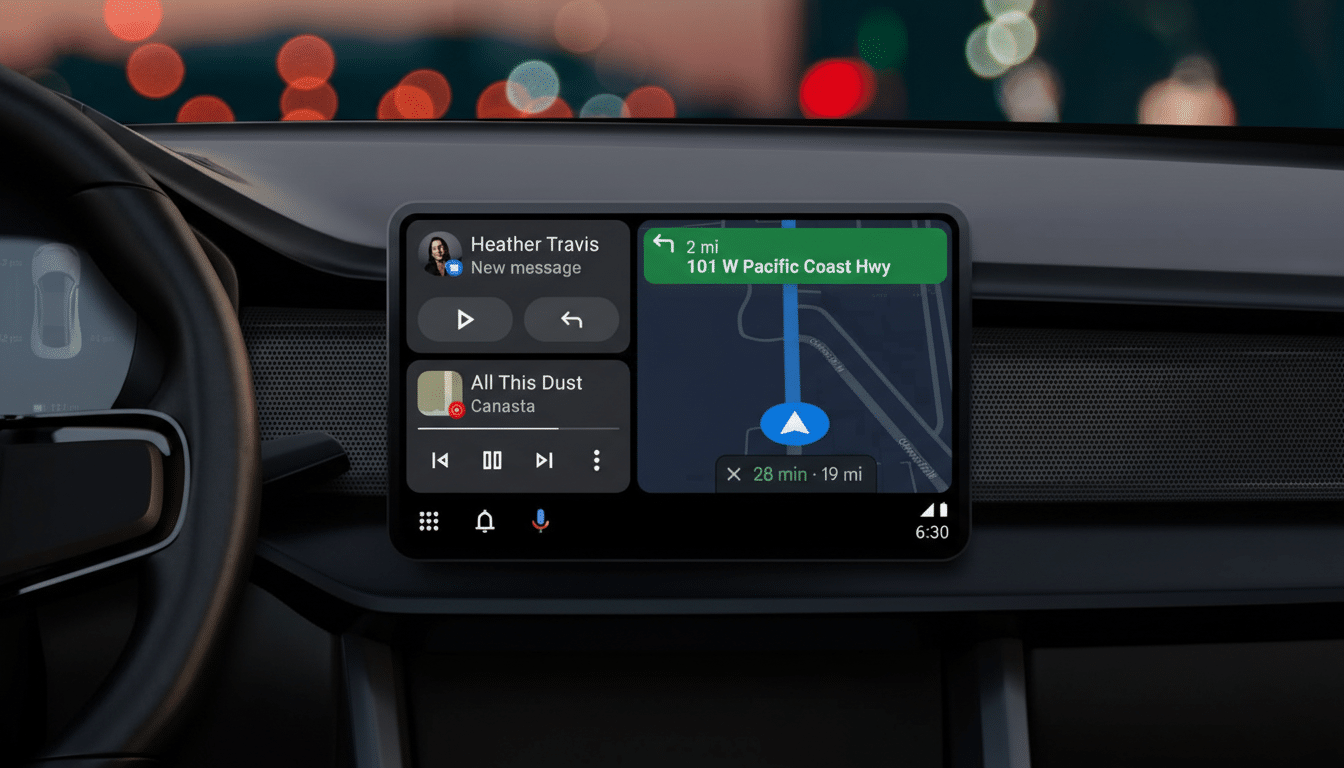
Qualcomm and MediaTek have been equipping flagship chipsets with far more capable NPUs, paving the way for bigger language and vision models on phones. That, in turn, gives Android brands room to differentiate with features like AI-driven video editing, context-aware voice controls, and smarter battery optimization. Google traditionally uses MWC for software news, so look for Android updates that push Gemini and other AI features deeper into Messages, Auto, and Wear OS, mirroring moves it previewed last year.
Analysts at Counterpoint Research have noted that consumers increasingly evaluate phones on AI usefulness rather than benchmark scores. Expect demos to focus on everyday wins: summarizing long group chats, cleaning up a shaky clip, or composing a multi-person portrait with consistent skin tones across lighting conditions.
Foldables, Rollables, and New Form Factors Emerge
Foldables will keep breaking out of their niche. Thinner book-style designs, lighter clamshells, and fewer display creases are becoming the baseline rather than bragging rights. Several vendors are targeting improved dust resistance and tougher ultra-thin glass, two pain points called out in early generation reviews.
Rollables are the wild cards. Motorola and Lenovo have repeatedly used MWC to preview concept hardware, from a vertical rollable phone to a wraparound adaptive display. Even if commercial timelines remain fluid, expect at least one reimagined screen that expands on demand for reading, gaming, or split-screen work.
The economics are shifting, too. Research houses including IDC have flagged steady double-digit growth for foldables and a gradual drift toward more attainable price bands. That does not mean ultra-budget foldables just yet, but mid-premium pricing is no longer hypothetical.
5G Advanced and Satellite-to-Phone Connectivity Move Closer to Reality
Under the hood, MWC 2025 is where 5G Advanced stops being a whiteboard sketch and starts to look like product. 3GPP Release 18 brings smarter radios and features such as RedCap for low-power devices, improved positioning, and AI-assisted RAN optimizations. Expect live demos from infrastructure giants like Ericsson and Nokia alongside carrier trials that show how networks can lift capacity without blanketing cities in new hardware.
Modems will matter again. Even though flagship SoCs launched in late 2024, vendors often use MWC to spotlight next-gen modems and RF systems with better power efficiency, carrier aggregation, and uplink performance. Wi‑Fi 7 will be everywhere on the show floor, reflecting certification progress from the Wi‑Fi Alliance and faster throughput for homes and offices.
Satellite-to-phone remains one of the buzziest additions. After milestone tests in 2023–2024 from players like AST SpaceMobile with carrier partners, and direct-to-cell pilots associated with major US and European operators, expect clearer roadmaps for messaging and basic data services on standard smartphones. The theme is resilience: coverage that fills the gaps when towers do not.
Wearables, XR, and Ambient Devices Gain New Capabilities
Smart rings, glasses, and lightweight earbuds will ride the same AI wave. Health tracking is getting more clinical in tone, with vendors pitching recovery, readiness, and cycle insights surfaced by on-device models rather than cloud dashboards. IDC continues to highlight hearables as the largest wearable category, but growth is pushing into rings and glasses as component power draw falls.
XR will have a broader footprint. Expect Android XR partners to show progress on head-worn displays and spatial apps, while brands like TCL’s RayNeo and Xreal iterate on glasses that add crisp micro‑OLED panels, wider fields of view, and better comfort. The pitch is moving from novelty to productivity, training, and entertainment you can use for hours, not minutes.
Brands to Watch in Barcelona as Launches and Demos Land
Samsung typically brings its early-year flagships to the show floor rather than staging a launch, so expect hands-on time with the Galaxy S25 series and updates on its XR ambitions with Google and Qualcomm. Xiaomi has a track record of global launches around MWC and could spotlight the Xiaomi 15 family alongside wearables and audio gear.
Honor is likely to push camera and foldable innovations, given its recent Magic series cadence. Motorola almost always pairs mainstream phones with a headline-grabbing concept, and Lenovo’s PC-adjacent ecosystem frequently includes dual‑hinge or folding notebooks that blur device categories. Expect TCL to refresh its NXTPAPER lineup, while brands like Tecno, Infinix, and ZTE use the stage to show aggressive designs and value plays.
Google usually sticks to software at MWC, which means Android feature drops, developer tools, and partner announcements. If prior years are a guide, look for phone-as-key, wallet, and Auto experiences to get smarter and more secure, especially as Apple’s planned RCS support raises the bar for cross-platform messaging.
Sustainability and Repairability Move Upstream in 2025
With new EU rules tightening around batteries and repairability, expect more modular parts, longer update pledges, and clearer carbon reporting. Fairphone has long championed this space; now mainstream brands are following with easier screen and battery swaps and extended software support that stretches device lifespans.
Why It Matters for Consumers, Carriers, and Device Makers
MWC 2025 is not just another phone show. It is where on-device AI becomes truly useful, where foldables mature into everyday tools, and where networks evolve to be smarter, greener, and more resilient. For consumers, that translates into faster updates, longer-lasting hardware, and features that work wherever you are. For the industry, it is a chance to prove that innovation can be practical, not just flashy.