


MrBeast might soon be creeping onto Wall Street. Beast Industries CEO Jeff Housenbold, speaking at the DealBook Summit, said his company wants to offer the 1.4 billion people who have watched content from Jimmy “MrBeast” Donaldson in the past 90 days “a chance to be owners,” a message that belies what sounds like a soft launch toward an eventual public listing.
The pitch is simple and audacious: Turn one of the largest fan bases in the world into actual shareholders. Now, with more than 450 million YouTube subscribers and a private valuation in the neighborhood of $5 billion, Beast Industries has less in common with single-creator businesses and more with multi-brand media, consumer and platform companies sizing up to play at public market scale.
- What Fan Ownership Might Look Like in a MrBeast IPO
- The Business Beyond YouTube: Brands, CPG and More
- The S-1 Path Is Steep: Disclosures, Audits and Risk
- Lessons From Creator IPOs and Public Market History
- What Investors Will Be Looking For in a MrBeast IPO
- Could It Work? The Case for a Fan-Forward Public Listing
What Fan Ownership Might Look Like in a MrBeast IPO
Retail-first IPOs aren’t just theoretical anymore. Airbnb has awarded shares to hosts through what is known as a directed share program. Robinhood reserved stock for its users. Reddit extended a slice to moderators and power users. And if MrBeast does go public, such an allocation might then prioritize fans, creators in his orbit and key members of his community — with brokers handling more general retail access.
There are alternatives to a classic IPO. A direct listing could benefit from heightened brand awareness, without dilution through a significant primary raise. An offer to the community or a loyalty allocation layered on top of a traditional IPO could reinforce that “owned by fans” narrative while keeping in place institutional support for price stability.
The Business Beyond YouTube: Brands, CPG and More
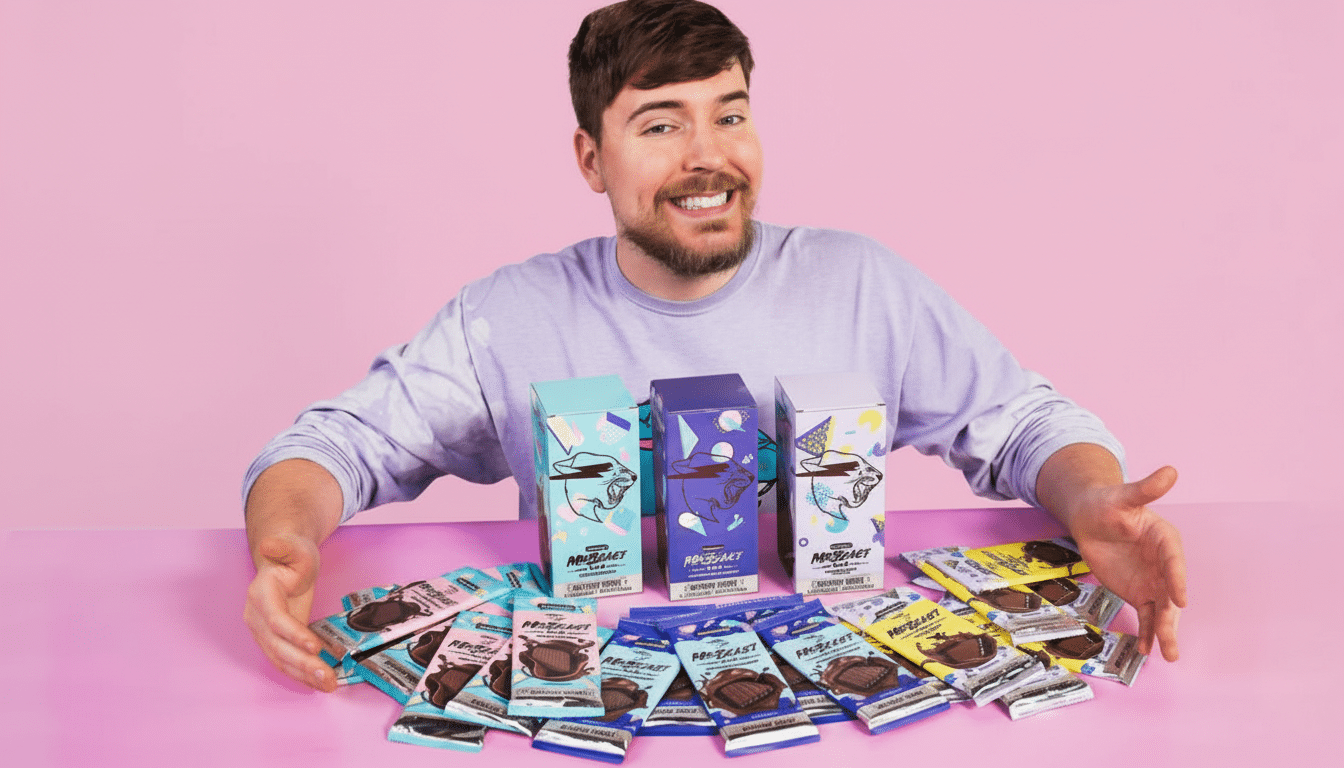
The tentacles of Beast Industries reach out far beyond platform ad revenue. Its snack line, Feastables, has become a revenue generator and, according to Bloomberg, performs better than both the flagship YouTube channel and the Amazon-backed competition series “Beast Games.” The company has also explored a two-sided marketplace that would connect creators and brands, as well as big-ticket bets like a mobile service, financial products and a theme park project in Saudi Arabia.
This combination of media and CPG is tactically interesting. Consumer packaged goods yield lasting brand equity and recurring revenue; content powers low-cost customer acquisition. Operating margins in snacks will probably be better than firms with similar products at scale if gross margins hold close to what I assume they will (via category). Marketing efficiency from MrBeast’s organic following could materially improve unit economics vs. peers.
The S-1 Path Is Steep: Disclosures, Audits and Risk
An IPO requires audited financials, transparent segment reporting and governance that mitigates key-person risk. Regulators and investors are likely to zero in on product- and platform-dependent revenue concentration, related-party transactions, and the longevity of engagement-driven sales.
Brand risk also looms. The shuttered MrBeast Burger ghost-kitchen venture has led to lawsuits and countersuits involving Beast Industries. Separate lawsuits from former contestants associated with “Beast Games” describe mistreatment on set. None of these issues are necessarily fatal to an IPO, but they will show up as risk factors and will put the company’s operating discipline and crisis management to the test.
Lessons From Creator IPOs and Public Market History
Creator-linked companies have been burned before in the public markets. FaZe Clan launched through the conduit of a $725 million SPAC, and was sold one year later for $17 million. It is a cautionary tale of poor governance, undifferentiated and unquantified revenue quality, and dependence on pure hype. Unlike Pinkfong, the studio behind “Baby Shark,” companies like LINE Friends have successfully listed in Korea as intellectual property companies with clear licensing economics.
The takeaway: investors reward predictable cash flows and scalable IP more than personality-driven hype cycles. For someone like MrBeast, that argument suggests he might focus on driving growth or licensing Feastables and repeat-purchase products more than views on the platform as the top of the funnel versus a core business.
What Investors Will Be Looking For in a MrBeast IPO
One, evidence of margin resilience in CPG and a clear path to distribution expansion post-viral spikes. Second, a capital allocation framework that’s cautious when it comes to moonshot projects, but aggressive in providing unique funding for the highest ROI channel. Third, governance structures that reduce the dependence of a single founder — think experienced independent directors or succession planning for example, and clear decision rights across content, commerce and ventures.
- Evidence of margin resilience in CPG and a clear path to distribution expansion after viral spikes.
- A capital allocation framework that’s cautious on moonshot projects but aggressive in funding the highest-ROI channels.
- Governance structures that reduce dependence on a single founder — for example, experienced independent directors, succession planning, and clear decision rights across content, commerce and ventures.
At last, a clear story about platform risk. YouTube remains a strong growth engine, but public investors will require more diversified demand generation — retail partnerships for Feastables like this year’s cronuts promotion, owned channels around verticals that bring in large advertising dollars, international expansion, and structured advertising offerings inside the proposed creator-brand marketplace.
Could It Work? The Case for a Fan-Forward Public Listing
With a level of reach that has never been achieved before, demonstrated footing in consumer packaged goods (CPG) and the ability to turn attention into product trial, MrBeast’s brand could attempt what few other creator brands do: build itself into a public company with community at its center.
The concept of allowing fans to buy in is more than a stunt — it’s a strategic moat so long as the company maintains quality, transparency and operational rigor.
The directive from the top of the company is calculated: build for media scale globally first, monetization second, followed by a path to ownership. If Beast Industries can convert fan loyalty into predictable, repeatable revenue and demonstrate the kind of institutional-grade governance that prevents VPs from doing things like sexually harassing their employees, an IPO actually involving its audience stops being a viral talking point and starts being a plan you can almost imagine working.