


Flagship phones used to be the obvious choice for anyone who cared about speed, cameras, and long-term support. Lately, though, the equation has shifted. Midrange and “fan edition” models have closed the gap so convincingly that even longtime power users are asking whether four-figure flagships still make sense.
The Smartphone Value Gap Has Narrowed Significantly
Prices are moving one way while real-world gains edge the other. Research from IDC shows average smartphone prices climbing, while Counterpoint Research estimates that premium devices over $600 now command roughly a quarter of shipments and about 60% of industry revenue. That revenue skew tells you what manufacturers want you to buy. It doesn’t prove you need to.
- The Smartphone Value Gap Has Narrowed Significantly
- Performance and Battery Are Now Comfortably Good Enough
- Cameras and AI Are Closer Than You Think
- Software Support Now Lasts Longer on Midrange Phones
- Where Flagships Still Win and Why It Can Matter
- Hidden Costs and the Realities of Smartphone Resale
- So Who Still Needs a Flagship Phone Today?
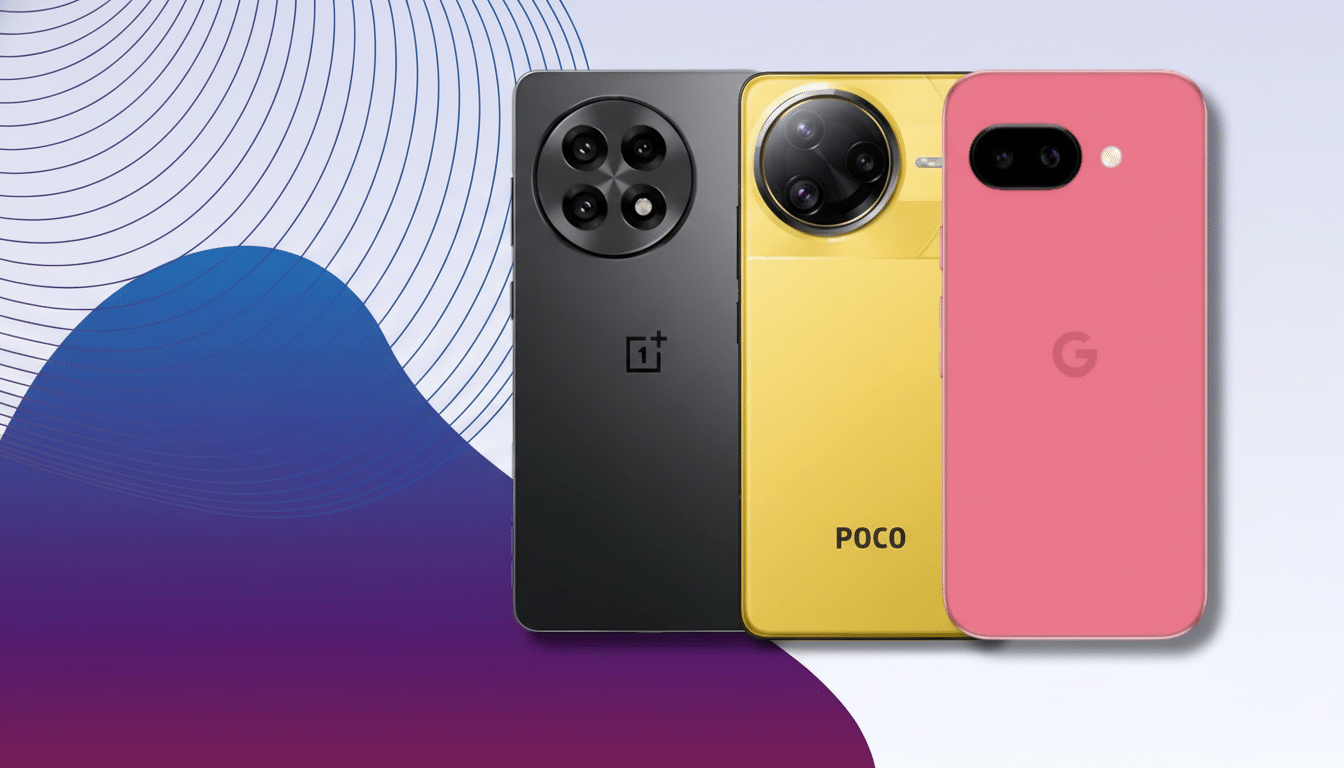
What you get for half the money is no longer a stark compromise. Midrange lines from Samsung, Google, OnePlus, and others deliver OLED screens, 120Hz refresh, big batteries, IP ratings, and competent multi-camera arrays. The extras flagships lean on—ultra-high peak brightness, periscope zoom, LTPO panels, and the very fastest storage—still matter, but less often define day-to-day use.
Performance and Battery Are Now Comfortably Good Enough
Modern midrange chipsets have closed to within striking distance of last year’s top silicon. Independent benchmarking commonly shows CPUs and GPUs in upper-mid chips landing within roughly 15–20% of current flagships. In practice, that gap vanishes when you’re messaging, streaming, shooting photos, navigating, or juggling a few social apps. You’ll notice it only if you churn through console-grade games, export long 4K videos, or push on-device AI workloads all day.
Battery life can actually swing in favor of the cheaper phone. Many midrangers stick to power-efficient FHD+ panels and larger cells (4,500–5,000mAh is common), outlasting ultra-bright QHD flagships. That means fewer late-day top-ups and less anxiety—arguably a bigger quality-of-life upgrade than shaving a second off app launches.
Cameras and AI Are Closer Than You Think
Flagships still claim the brightest sensors and the most flexible optics, especially at long range. But computational photography has leveled the playing field for typical shots. OIS has become standard below the top tier, and 1/1.5-inch–class sensors are no longer rare. In good light, a $500–$600 device can deliver photos that look indistinguishable on social feeds from those shot on a phone double the price.
AI features—background fill, object eraser, transcript summaries—are spilling down the lineup. Some of the most headline-grabbing tools still run best on the latest NPUs in premium models, yet many brands now offer cloud-assisted options or optimized versions on midrange chips. For casual editing and productivity, parity is surprisingly close.
Software Support Now Lasts Longer on Midrange Phones
The old knock on cheaper phones was longevity. That’s changing. Google and Samsung have pushed update promises as far as 7 years on select lines, and several Android midrangers now advertise 4–7 years of OS and security coverage depending on brand. That stretches the useful life of non-flagships and boosts resale value, making total cost of ownership more attractive.
Where Flagships Still Win and Why It Can Matter
None of this means premium phones are obsolete. If you care about the best-in-class camera suite—especially reliable 5x–10x zoom—flagships remain the safest bet. Heavy mobile gamers and on-the-go video editors will feel the extra GPU headroom, faster UFS 4.0 storage, and better sustained thermal performance. Peak brightness and LTPO 1–120Hz panels are still noticeably smoother and more legible outdoors.
Connectivity can matter, too. mmWave 5G, Wi-Fi 7 with wider channel support, ultrawideband for precise device finding, and the most comprehensive USB-C feature sets show up first at the top. If you rely on these, shortcuts add friction you’ll notice.
Hidden Costs and the Realities of Smartphone Resale
Carrier promos can make a $1,199 phone look irresistible, but the fine print often locks you into 24–36 months. If you prefer freedom to switch or sell, midrange outright buys are cleaner. And while iPhones hold value comparatively well, third-party analyses from firms like SellCell show many Android flagships shedding 30–40% of value within the first months. Paying less up front blunts that hit.
So Who Still Needs a Flagship Phone Today?
Buy a flagship if you need premium cameras with consistent telephoto, the brightest LTPO display, top-tier gaming performance, or you simply want the best and can afford it. Otherwise, today’s upper-mid devices—think FE, A-series, “a” models, and value-flagships—deliver 90% of the experience for roughly 50–60% of the price. That math is hard to argue with.
The takeaway is less about absolutism and more about fit. For most people most of the time, the smart money has drifted away from the halo tier. If your phone is a camera-first workhorse or a pocket console, the splurge can be justified. If not, the middle of the market is where the real flagship value lives now.