


Bold new world: Microsoft announced a big bet on AI apps and autonomous agents in the enterprise with Microsoft Marketplace this week—pushing directly into Amazon’s contested field of play. The store, which is built on Microsoft Cloud, combines Azure Marketplace and AppSource into a single destination with vetted integrations, unified billing and instant provisioning between Azure, Microsoft 365 and Microsoft Security. The obvious one is AWS, which has been developing its own marketplace of foundation models and agentive services like Amazon Bedrock and Amazon Q.
It’s already got a catalog of over 3,000 AI apps and agents, with the volume set to increase as partners begin delivering domain-specific copilots that focus on areas like finance, customer service, security operations and software development. For CIOs drowning in a tide of point solutions, Microsoft promises a straightforward value proposition: faster adoption without giving up governance.
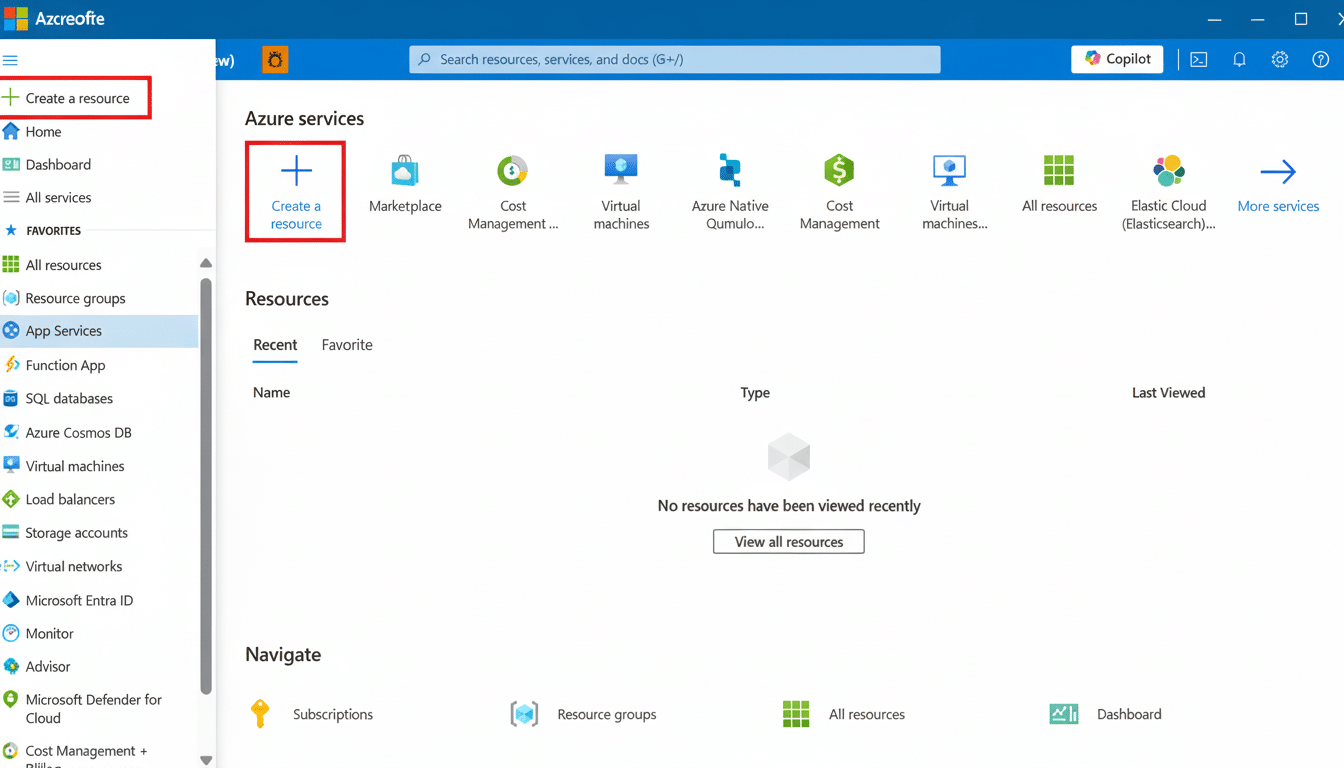
What the Microsoft Marketplace Actually Provides
The AI marketplace is a one-stop shop for discovery, purchase and deployment at the time of launch. Listings are pre-integrated with Microsoft Cloud services, so customers can also bind agents to Microsoft Entra ID groups, apply data loss prevention via Purview and route telemetry into Defender or Sentinel without bespoke plumbing. Purchases land on top of existing enterprise agreements with potential private offers and custom metering—things that matter to line-of-business decision-makers who don’t want to onboard yet another vendor.
Microsoft is also framing the store as an on-ramp for agentic workflows. Think invoice triage agents that read emails in Outlook and file records in Dynamics 365, or code-assistant agents that open pull requests in GitHub and trigger Azure Pipelines. Since agents inherit tenant permissions and policies, you can give them least-privilege access, audit what they’re doing, and centrally revoke capabilities.
Under the hood, Microsoft is expanding model choice. Claude models will be available in the model catalog in Azure as part of its collaboration with Anthropic, “complementing OpenAI models on Azure OpenAI Service,” said the company. That flexibility is important as companies experiment with various models for reasoning, retrieval and tool use.
A Shot Across the Bow at AWS in Enterprise AI
AWS has a head start with a mature marketplace and caters to both software engineers who want some models for their application as well as to the ML teams that already consume inference models through Amazon Bedrock and can pull from providers including Anthropic, Cohere, Meta, Mistral, Stability AI and Amazon’s own Titan family. Amazon also launched Amazon Q for business use cases and tools to develop agents that make API and database calls. Microsoft’s response is to bake the agent economy into products that enterprises are already using every day—Microsoft 365, Dynamics 365 and Windows—thereby lowering deployment friction.
The battle will be won on distribution and trust. Synergy Research sounded this theme as well, saying that for the past 12 quarters it has been estimating that AWS holds the number one position in worldwide cloud infrastructure share, with Microsoft close—a trend that started nearly four years ago. But Microsoft’s installed base in productivity and security—hundreds of millions of users who run on its platforms—provides a muscular channel to sow AI agents across departments that never log into the kind of cloud console for which Google is famous. If Microsoft can make the default way to add an AI agent as simple and intuitive as adding a Teams app, AWS will quickly come under pressure.

Security and Governance as the Wedge for AI Agents
Organizations care less about what an agent is capable of than about where that agent is going to put their data. Microsoft is especially pushing policy enforcement, tenant isolation and compliance attestations (spanning ISO, SOC and FedRAMP) in its cloud. By routing marketplace apps and agents through Microsoft’s identity, compliance and security stack, the company is attempting to tame “shadow AI” without stifling experimentation.
That focus dovetails with recommendations from organizations like NIST’s AI Risk Management Framework, which recommends developable and auditable AI systems. It also aligns with evaluation efforts, like Stanford’s HELM benchmark, which emphasize that testing should be rigorous but targeted for the task. And look for Microsoft to boost third-party validations and first-party telemetry to aid buyers in comparing agent reliability and safety under real workloads.
A Broader Platform Play for Content and Models
But beyond apps, it has built a marketplace where publishers can license content for Copilot and other AI products; this suggests an attempt to align incentives among content owners, model providers and customers. If it works, Microsoft could also lower copyright risk for developers while increasing the supply of good data sources to enhance the performance of agents.
For independent software vendors, the attraction is distribution and monetization. Being available in Microsoft Marketplace provides instantaneous visibility to customers with pre-approved procurement paths and spend commitments. The company’s commercial tribes have long employed marketplace private offers to close deals—see that replicated for AI agents paired with usage-based pricing and enterprise support.
Why This Matters Now for Enterprise AI Strategies
Worldwide generative AI spending is on track to exceed $140 billion in a few years, with most of the money flowing through cloud platforms, according to IDC. As organizations coalesce around these curated ecosystems, the question is no longer if enterprises will buy AI agents—it’s who will run the storefront that determines which they’ll buy.
Microsoft’s marketplace provides it with a credible response. If it can hold on to model choice and make procurement effortless, while landing guardrails that risk teams say yes to, it will leave AWS no option but to answer with tighter integrations between Bedrock, Amazon Q and the AWS Marketplace. Either way, customers should benefit from a more standardized, governable path to deploying AI where it actually gets things done.