


Microsoft’s longtime gaming chief Phil Spencer is stepping down, and Asha Sharma, a senior leader from the company’s CoreAI division, will take the helm. In her first message to players and developers, Sharma pledged a “return to Xbox,” signaling a refocus on the brand’s identity even as she reaffirmed Microsoft’s multi-platform strategy. She did not specify timing for any new physical hardware.
The handover comes amid additional leadership shifts. Xbox President Sarah Bond has resigned, while Xbox Studios boss Matt Booty has been elevated to Executive Vice President and Chief Content Officer, telling teams no immediate reorganization is planned.
A Leadership Hand-Off With High Stakes for Xbox
Spencer exits after roughly 12 years leading Xbox and nearly four decades at Microsoft, a tenure that reshaped the division through services, cloud streaming, and acquisitions. He presided over the $68.7 billion purchase of Activision Blizzard, bringing Call of Duty, Diablo, and Overwatch under Microsoft’s umbrella and creating one of the industry’s largest first-party portfolios.
Sharma arrives with a data-driven background, having led CoreAI and held senior roles at Meta and Instacart. That mix of consumer growth expertise and AI platform know-how hints at where Microsoft thinks the next phase of gaming advantage will come from: smarter developer tools, scalable distribution, and experiences that move fluidly across console, PC, and mobile.
Sharma’s Pledge to Bring Xbox Back to Its Core
Sharma’s “return to Xbox” mantra reads as a promise to re-center the brand around standout first-party experiences and a compelling console proposition, without abandoning reach. She underscored that gaming lives across devices and said Microsoft will lower friction so creators can build once and reach players everywhere. The balancing act is clear: protect Xbox’s identity while capitalizing on audience growth beyond a single box.
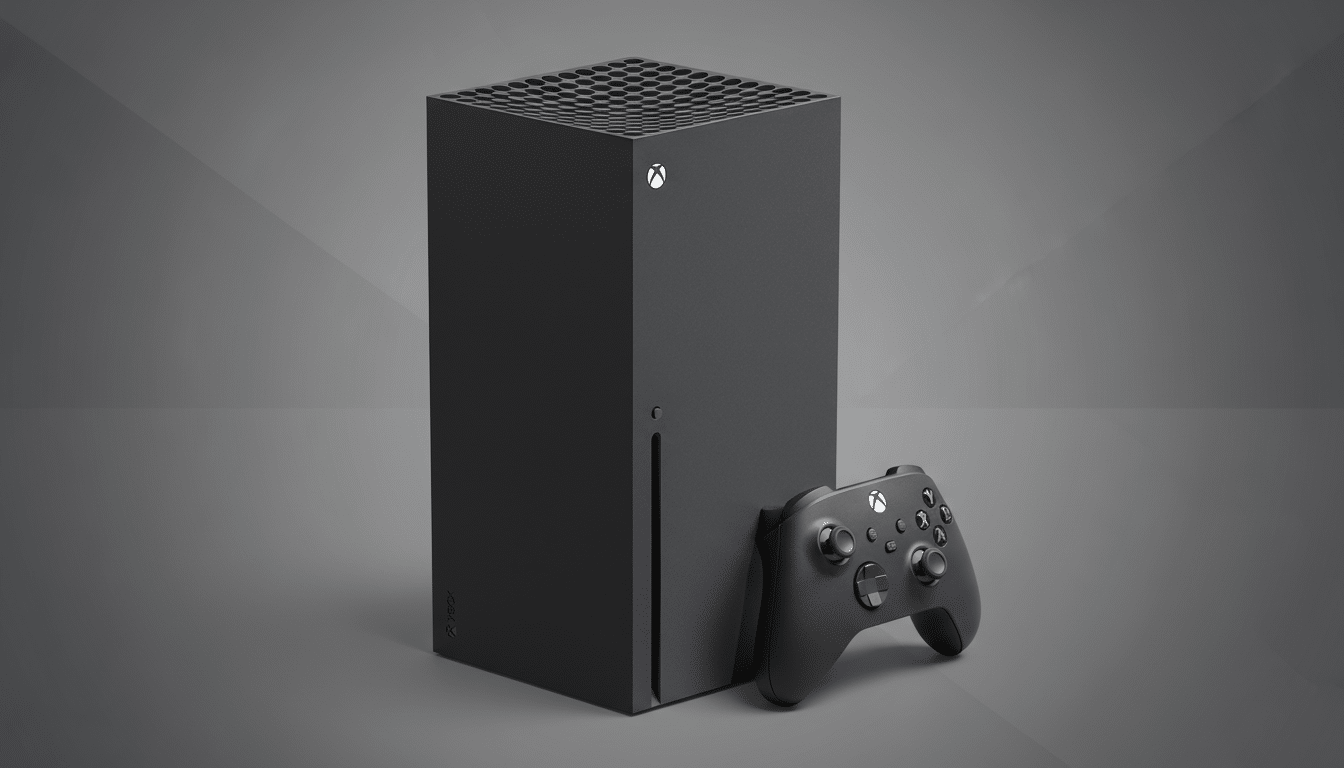
On hardware, Sharma kept her cards close. There was no commitment to timelines or formats, a prudent move given supply chains, silicon roadmaps, and the rising importance of AI-assisted upscaling and latency reduction. Any new device will be judged not just by teraflops, but by ecosystem fit—how quickly it boots into games, how seamlessly it syncs saves, and how effectively it ties into cloud and PC.
Competitive Pressures Mount Amid Weak Hardware Sales
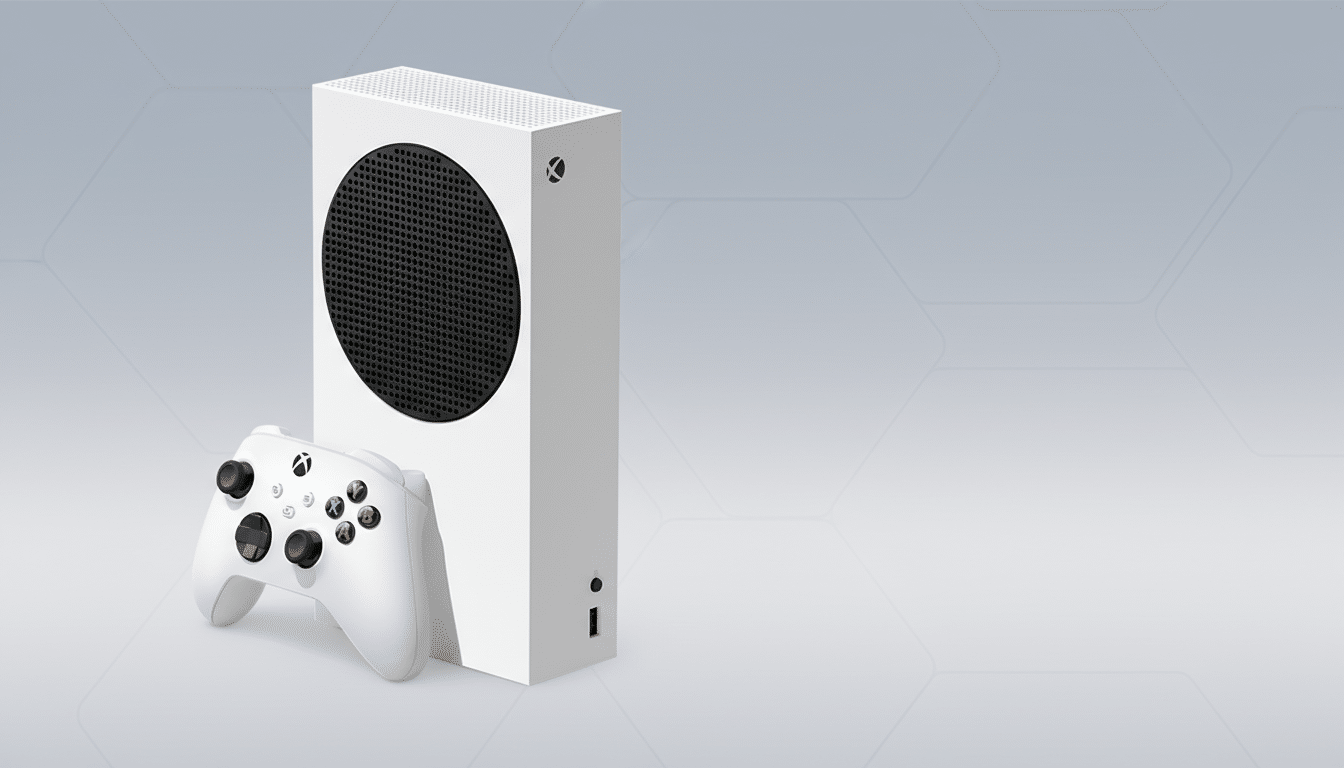
Xbox enters this transition under pressure. During the most recent holiday period, Xbox Series hardware dollar sales fell 70% year over year, according to Circana’s Mat Piscatella in commentary reported by IGN. The softness was industry-wide—PlayStation 5 sales declined 40% and Nintendo’s combined Switch lineup dipped 10%—but the Xbox figure underscores how urgently Microsoft needs momentum.
The backdrop also includes workforce reductions. In recent months Microsoft cut about 650 roles in its gaming group, a signal that efficiency and portfolio focus remain top priorities even as the content slate expands.
Studios and Content as the Swing Factor for Xbox
Booty’s expanded remit puts execution squarely in focus. Xbox now spans powerhouse teams across Bethesda Game Studios, id Software, Arkane, Mojang, 343 Industries, The Coalition, and Activision Blizzard’s network—including the annualized Call of Duty machine. Expect incremental gains from live games and expansions alongside tentpoles in shooter, RPG, and racing genres.
Microsoft has also tested broader distribution, placing select Xbox titles on rival consoles while continuing to build on PC and the cloud. Sharma’s multi-platform emphasis suggests that playbook will evolve: exclusives where they matter strategically, cross-platform where scale and community win the day, with Game Pass acting as the connective tissue.
What to Watch Next for Xbox Strategy and Execution
Near-term signals will come from developer outreach and the cadence of first-party releases. Watch for how Microsoft adjusts Game Pass pricing and content drops, whether cloud streaming broadens its regional footprint, and how tools—potentially infused with CoreAI capabilities—shorten build times and improve performance across devices.
Sharma inherits a division with enviable IP, a powerful services platform, and a brand that needs a sharper edge. A convincing “return to Xbox” will require tight execution on content, clearer hardware and services messaging, and early wins that remind players why Xbox is worth choosing—even in a world where games run almost everywhere.