


Meta’s bet on virtual reality is still swallowing cash. The company’s Reality Labs division recorded an operating loss of about $19.1 billion last year, a deeper deficit than the year before. Segment revenue landed near $2.2 billion, underscoring a gulf that management suggests will not close quickly.
On the earnings call, leadership signaled that losses in the coming year will resemble last year’s and framed this period as a likely peak before a gradual taper. That guidance arrives alongside layoffs, studio consolidations, and a shift in emphasis toward smart glasses, wearables, and expanding Horizon to mobile.
Reality Labs Losses Pile Up Amid Deepening Quarterly Deficits
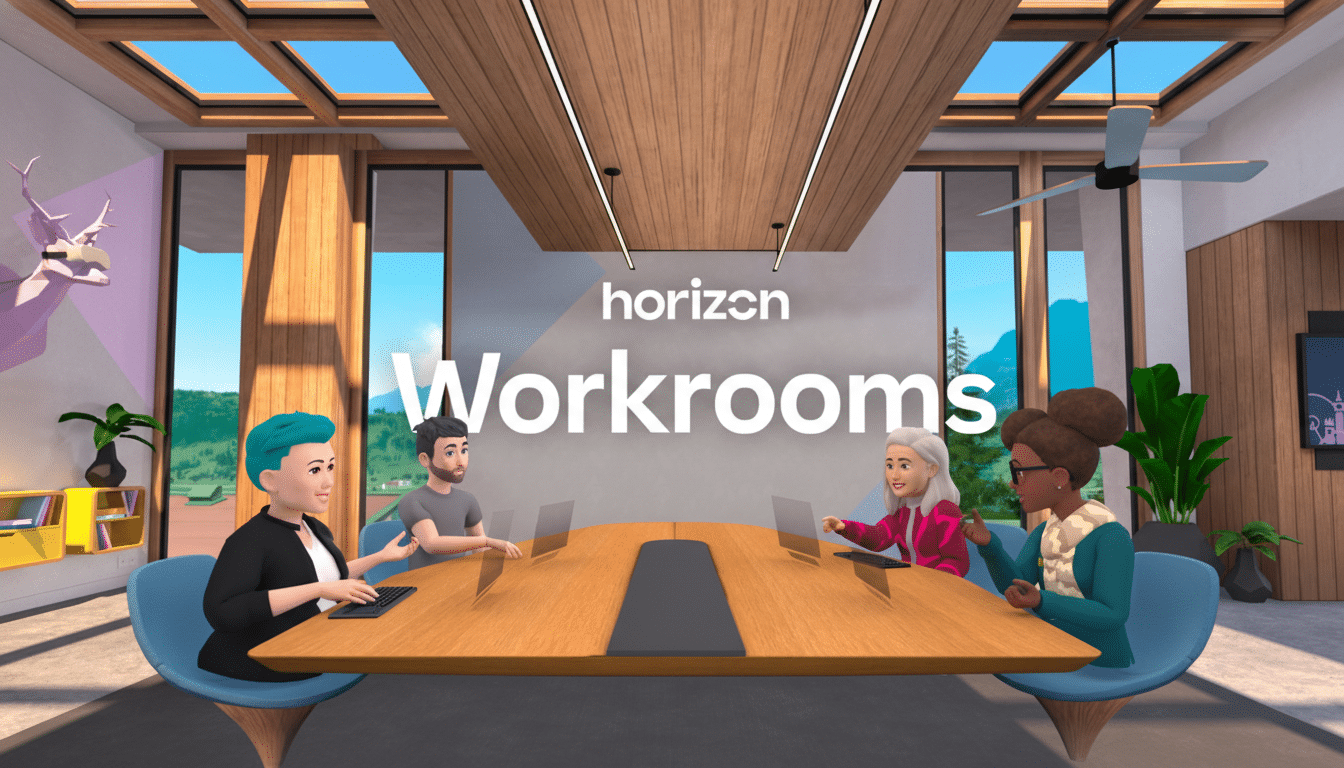
The unit logged roughly $6.2 billion in operating losses in the fourth quarter alone while generating about $955 million in sales. Meta also trimmed about 10% of Reality Labs headcount—reportedly near 1,000 roles—and moved to wind down several VR studios. CNBC reported the company is retiring its Workrooms app, an early pitch for VR-based office collaboration.
Since Meta began breaking out these numbers, cumulative mixed reality losses have climbed well past $60 billion—an investment scale few public companies would tolerate without clear commercial traction. The thesis remains that foundational platforms take years to gestate, but the runway is long and costly.
Sales Trail Meta’s Ambition as Subsidies and R&D Persist
The math is stark: losses more than eight times annual revenue imply a hardware model still heavily subsidized and an R&D program priced for breakthroughs. Custom silicon, advanced optics, spatial sensors, and high‑resolution displays keep bill of materials high, while unit volumes are modest. Software take rates cannot offset that gap without a larger, more engaged install base.
Industry trackers at IDC estimate global AR/VR headset shipments in the single‑digit millions each year, with uneven momentum across consumer and enterprise. At that scale, even strong holiday quarters cannot absorb the pace of spending required to build a new computing platform, developer ecosystem, and operating system from scratch.
Strategy Pivots to Smart Glasses, Wearables, and Mobile
Meta says fresh investment will concentrate on smart glasses and wearables, where lighter hardware and hands‑free assistants can drive daily use. The Ray‑Ban Meta line has generated consumer interest, and layering in multimodal AI may create habit loops that VR alone has struggled to sustain beyond gaming and fitness.
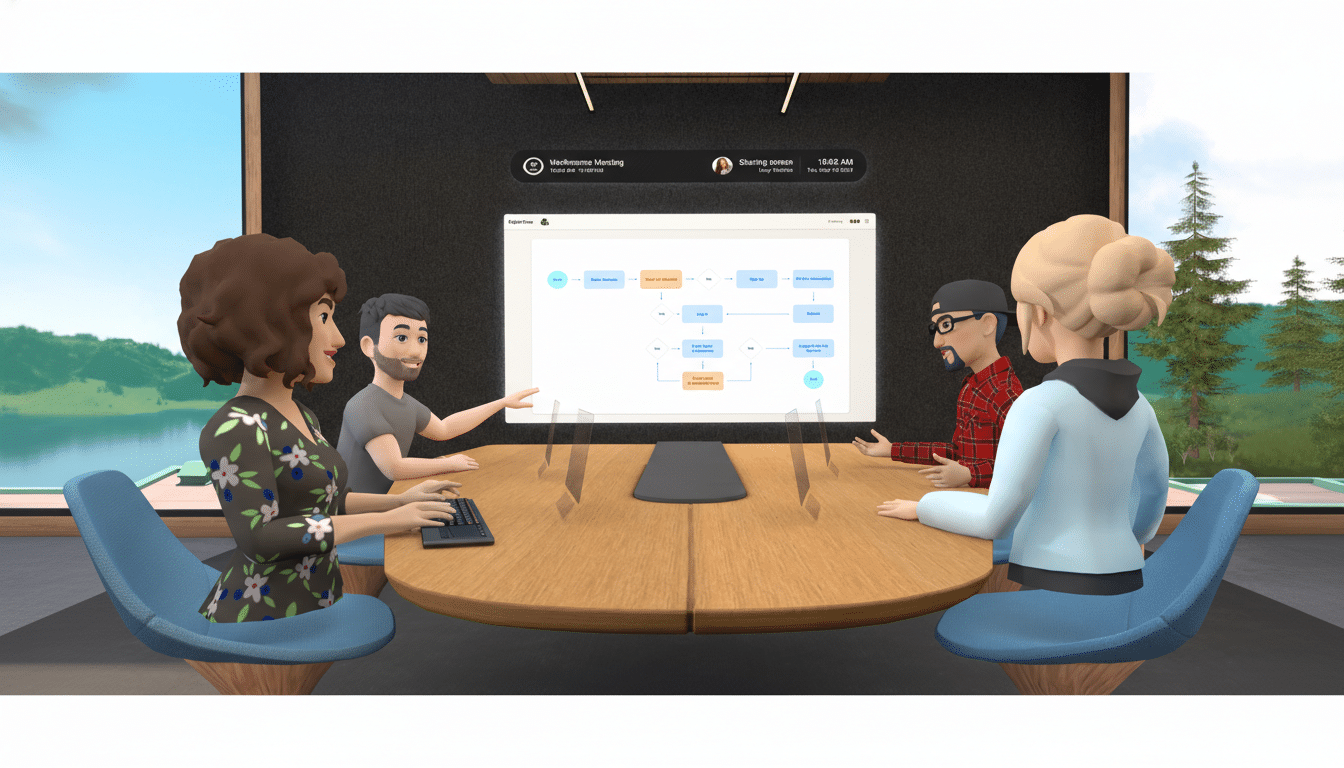
In parallel, the company is pushing Horizon to mobile to expand reach beyond headsets. A cross‑platform social layer can strengthen network effects, improve creator economics, and give developers a broader entry point before committing to fully immersive builds. In theory, that funnel later converts a subset of users to higher‑value mixed reality experiences.
A Tougher Competitive Landscape Complicates Mixed Reality
Across the market, momentum is mixed. Apple’s recent entrance with a premium headset validates high‑end mixed reality but also spotlights persistent price, comfort, and content hurdles. Reports from Bloomberg and others indicate some rivals have slowed or reshaped XR plans, reflecting inconsistent consumer demand and soft retail sell‑through.
Enterprise deployments remain niche. Training, design review, and field service pilots show promise, yet many IT teams cite device management, security, and content development costs as blockers to scale. Without a mainstream use case beyond entertainment and workouts, upgrade cycles remain elongated.
What to Watch Next as Meta Charts Its Reality Labs Path
Management indicates this year could mark the peak of Reality Labs losses, followed by gradual improvement.
Signals to watch include:
- Growth in active headset users
- More time spent in mixed reality features
- Stronger third‑party developer payouts
- Steadier hardware margins as components and manufacturing scale
Cost discipline will be crucial. Pruning projects, consolidating studios, and leaning on partnerships can stretch resources while Meta pours capital into AI infrastructure. If smart glasses achieve daily utility and Horizon gains traction on phones, the VR flywheel has a chance to restart. If those bets stall, another year of multibillion‑dollar red ink looks likely.