


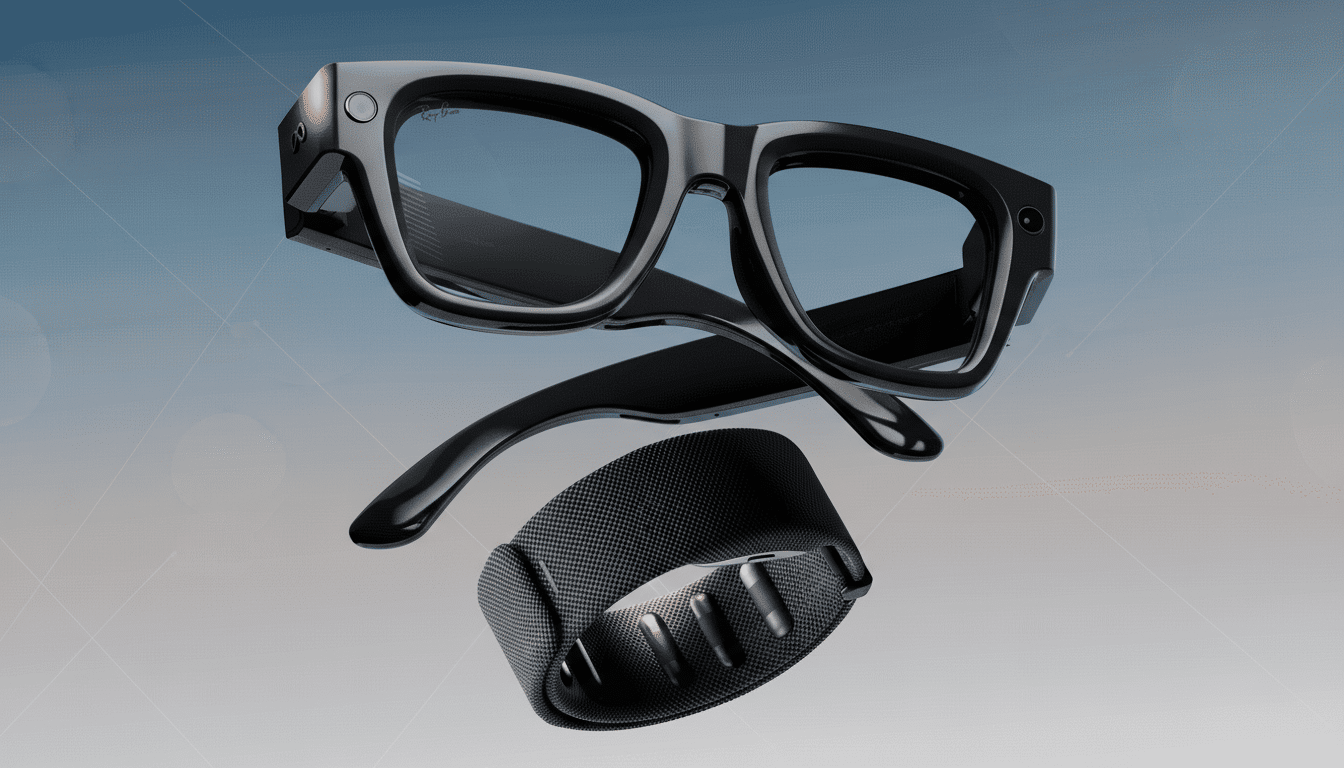
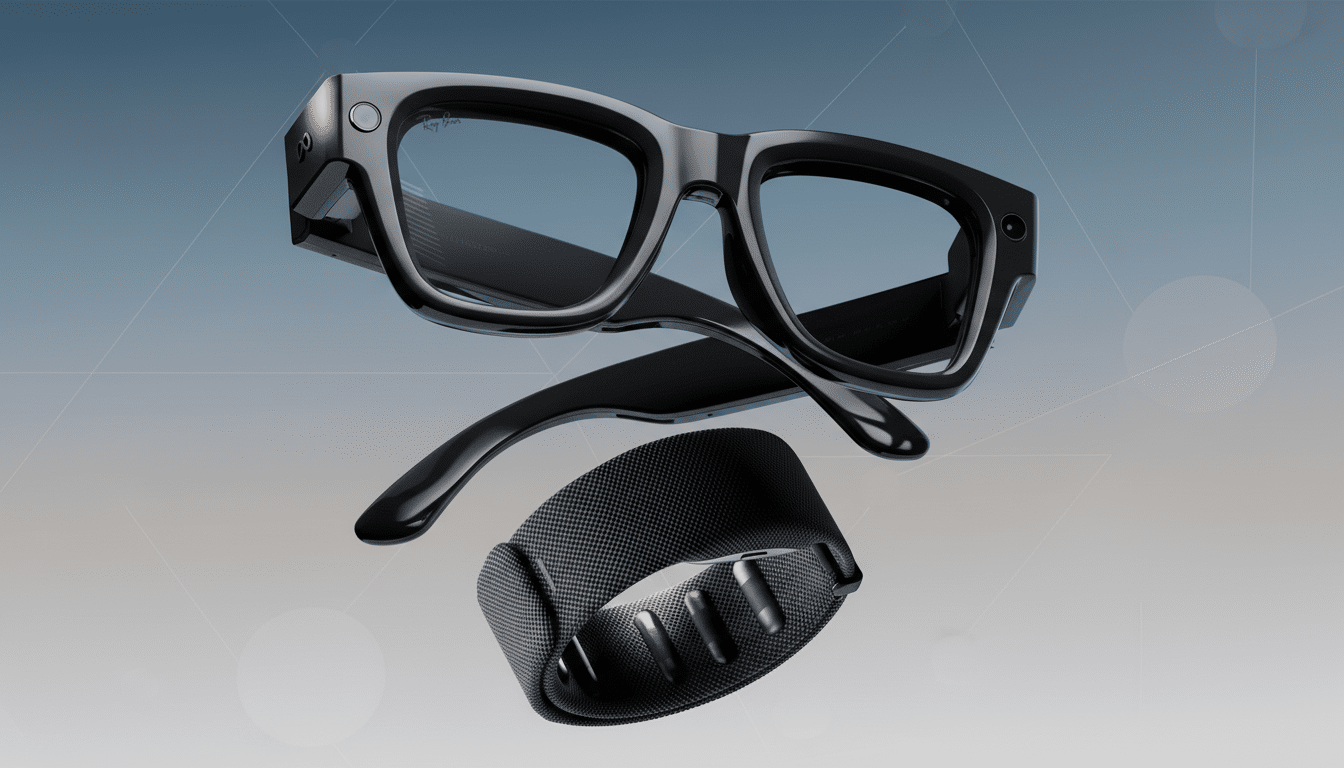
Lumus, the optics firm behind the displays in Meta’s Ray-Ban Display glasses, just previewed what’s coming next for augmented reality: brighter, thinner waveguides and a startlingly wide 70-degree field of view squeezed into everyday eyewear. The company’s latest demos point to AR that looks and feels like regular glasses yet performs like a headset.
In closed-door sessions at CES, Lumus showed an optimized Z-30 engine boasting 40% more brightness, a Z-30 2.0 preview that is 40% thinner and 30% lighter, and an early ZOE prototype designed to deliver wraparound immersion. David Goldman, VP of marketing at Lumus, said industry feedback from the Meta program has been strong and that these optics push field of view, efficiency, and thinness beyond prior consumer designs.
A Wider Field of View Without the Bulk or Weight
The ZOE prototype is the headliner: a 70-degree waveguide built from standard glass using Lumus’s geometric, mirror-based architecture rather than diffractive gratings. That matters, because it suggests a wide field of view can be delivered without exotic materials that inflate cost and complicate manufacturing.
Test patterns and video clips looked crisp at 1080p with consistent color across the entire image. The impression is less “floating rectangle” and more “cinema that wraps,” yet the frames remain recognizably eyeglasses. In UX terms, a wider canvas doesn’t mean filling every pixel all the time—it enables context-aware overlays that sit naturally in your periphery, improving immersion without overwhelming your real-world view.
Efficiency and Daylight Readability for Real-World Use
The upgraded Z-30 optical engine weighs just 11 grams and targets 8,000 nits-per-watt efficiency across a 30-degree field of view. In demo sequences, fine text remained sharply legible against bright backgrounds with minimal color shift or geometric distortion. The near-square aspect ratio also makes content feel larger than its field-of-view number suggests.
Lumus says Z-30 2.0 trims glass thickness by 40% and total optical weight by 30%, an approach aimed at all-day uses like notifications, turn-by-turn navigation, and translation. Thinner glass can reduce polishing and bonding steps and improve yield from raw materials—critical if consumer AR is going to hit mainstream price points at scale.
There’s a clear throughline from Meta’s Ray-Ban Display model, which uses Lumus 20-degree waveguides delivering up to 5,000 nits to compete with daylight. That product validated the idea that discreet, socially acceptable frames with bright, glanceable overlays can resonate with consumers—spurring rivals to chase similar form factors rather than bulky visors.
Why This Architecture Matters for AR Glasses Design
Lumus’s geometric waveguides use reflective micro-mirrors to keep light traveling in straighter paths, preserving true whites and improving efficiency versus diffractive approaches. In practical terms, that means better battery life for the same brightness and fewer artifacts like color fringing—two issues that have plagued earlier AR glasses outdoors.
Analysts at firms such as IDC and CCS Insight have consistently argued that comfort, power efficiency, and socially acceptable design will drive adoption more than raw pixel density. The combination of wide FOV options with thin, bright glass directly targets those levers.
Prescriptions and Privacy Built In for Everyday Wear
With about 70% of people needing vision correction, prescription compatibility isn’t optional. Lumus says its waveguides can bond prescription lenses directly to the glass, eliminating air gaps that invite dust and moisture in competing stacks. That integration also helps preserve optical alignment and clarity over time.
Another practical win: advanced AR coatings reduce forward light leakage to near zero, making it far less likely that bystanders will see a rainbow glow telegraphing what’s on your display. Social acceptance and privacy improve when the eyewear looks and behaves like normal glasses.
What to Watch Next as AR Waveguides Approach Market
Lumus now spans a range from 20-degree glanceable optics to an early 70-degree immersive platform, giving device makers a menu by use case: featherweight frames for all-day utility or larger canvases for spatial entertainment, multi-app productivity, gaming, and defense scenarios that demand maximum situational awareness.
The remaining hurdles are reliability, cost, and manufacturing scale. If the company can turn today’s delicate prototypes into robust, affordable modules, the next wave of AR won’t look like headsets—it will look like glasses. The trajectory is clear: the canvas is getting wider, the lenses are getting thinner, and everyday eyewear is learning some very advanced tricks.