


Meta is delivering a trio of free upgrades to make its Quest headsets that much sharper outside of games, too.
The highlights:
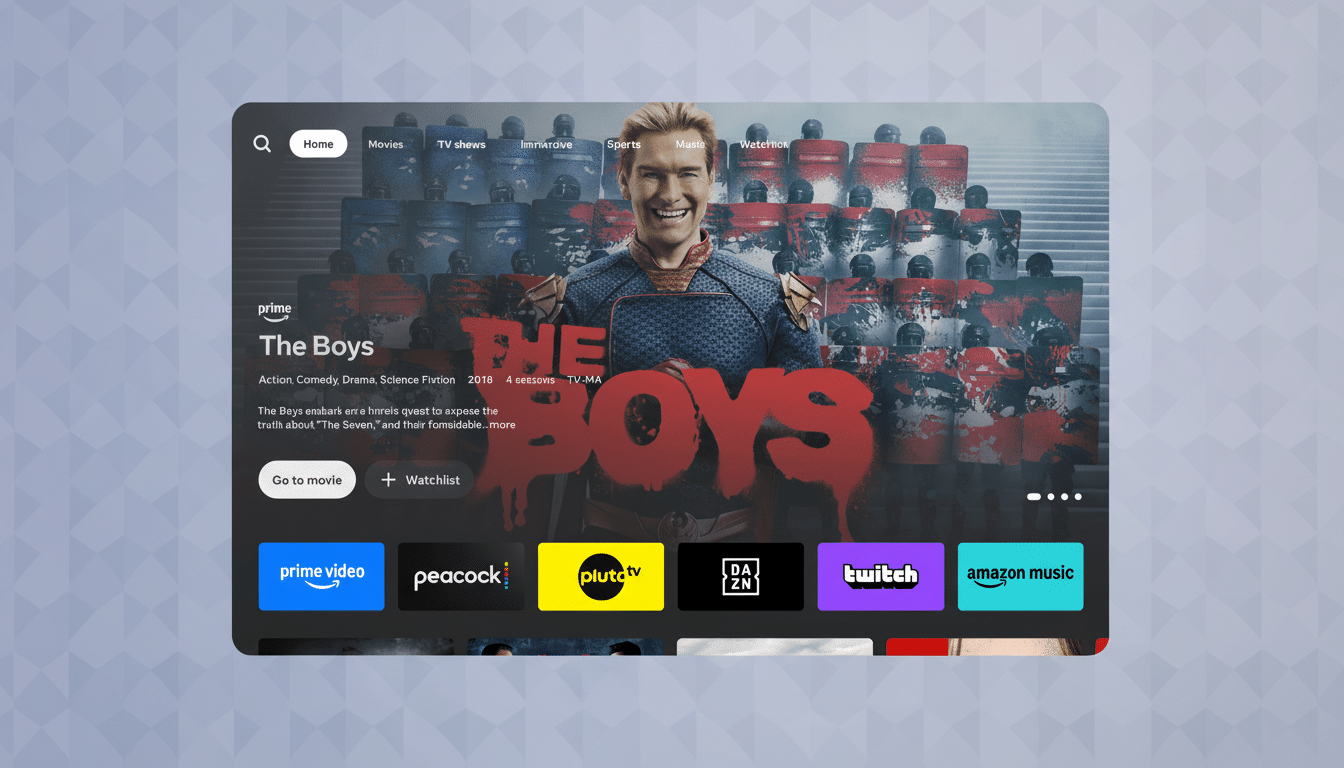
- A consolidated streaming hub for movies and TV
- New strides into native 3D entertainment
- A capture tool that can turn your room into a walkable VR scene on compatible hardware
Two of the features appear across the current Quest lineup, but a photoreal capture mode is for Quest 3 and Quest 3S only. They suggest a broader strategy: making headsets must-have things for cinematic viewing, creative building, and personal spatial content.
Horizon TV consolidates streaming with Dolby upgrades
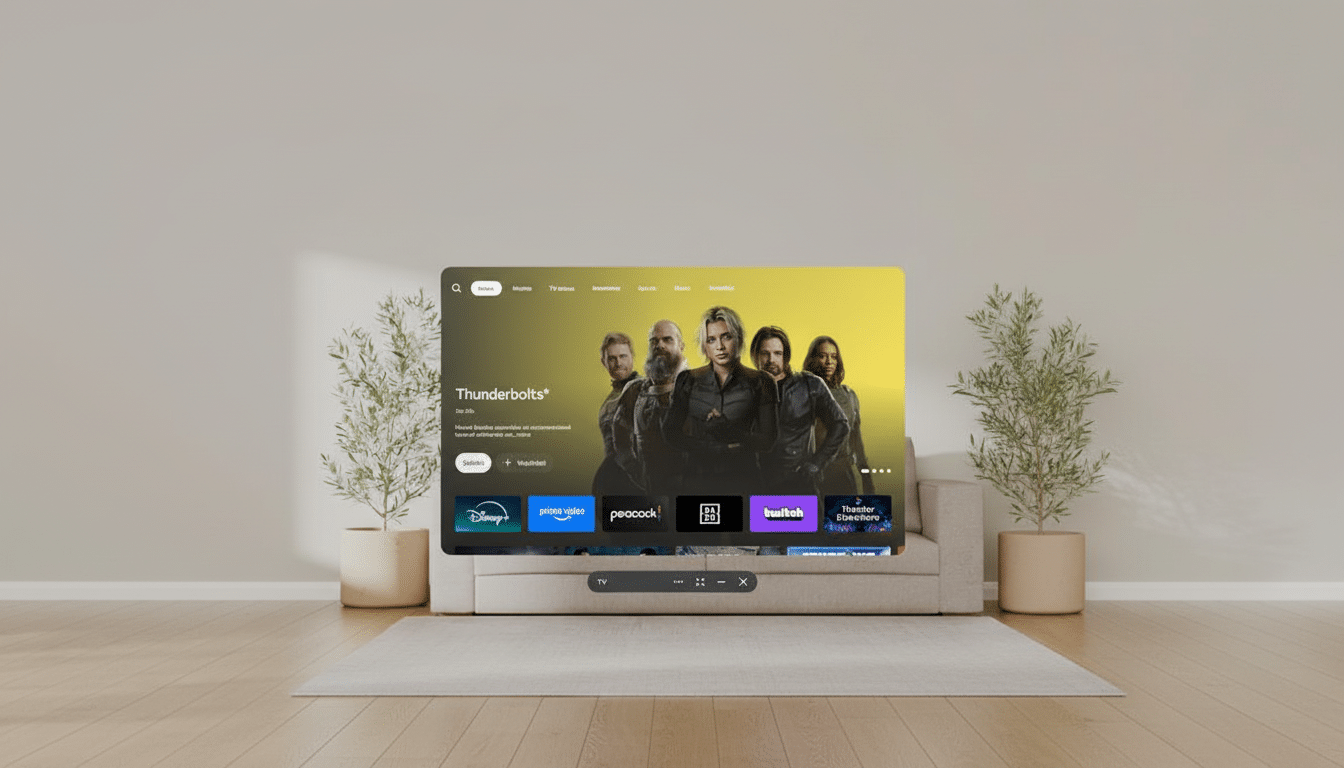
Horizon TV is a home for premium services such as Netflix, Prime Video, ESPN, Peacock, Hulu, and Disney+, aimed at making watching in a headset more sit-back-and-stream and less app-juggle. The hub will also host Dolby Atmos at launch and eventually support Dolby Vision, which means spatial audio with HDR grading added when available on compatible titles.
Meta is also doubling down on studio partnerships. A number of Universal titles — along with cult hits M3GAN and The Black Phone — will utilize immersive 3D effects created specifically for headset viewing. That’s no gimmick; it also happens to be an admission that VR’s most viable entry point for mainstream consumers looks a lot like great video content.
The timing makes sense. By unit share, Meta still leads the consumer VR market, according to industry trackers like IDC, and getting into premium video could help bolster day-to-day use. If Quest becomes the simplest way to view an Atmos/Vision stream on a big “virtual screen,” adoption increases without requiring anyone to play a single game session.
Meta’s expanded push for native 3D movies and sports
The more important news for cinephiles and sports enthusiasts is Meta’s rubber-burning 3D pipeline. Lightstorm Vision, the company led by James Cameron, has partnered with Meta to bring premium 3D entertainment to headsets — like movies, TV shows, concerts, and live sports. A 3D clip from Avatar: Fire and Ash is already exclusive to Meta, indicating some of the type of content it hopes to feature.
The big picture: Traditional 3D has been a flop on TVs, but headsets address the most annoying problems — glasses and cross-talk — while guaranteeing perfect screen alignment.
When content owners provide native 48/60 fps 3D masters and platforms serve them with strong HDR and spatial audio, VR is the easiest, most reliable way to watch 3D at home.
Create faster with generative AI tools in Horizon Worlds
For creators, Meta Horizon Studio offers a generative AI editor in Horizon Worlds. You can tell it what you want — say, a UFC-style octagon, or a snug apartment, or an undersea reef — and the system scaffolds assets, textures, and ambience. It can also change environments and tweak AI-driven NPCs on the fly, making prototyping as much a conversation as an exercise in menu crawling.
The upside is speed. Community builders can spin up playable spaces in minutes, run lighting or layout A/B tests quickly, and iterate while never leaving the headset. Anticipate a wave of user-made venues, mini-games, and event spaces as the tool beds in.
Turn your room into a walkable VR scene (Quest 3/3S)
Hyperspace Capture, an only-on-Quest 3 and Quest 3S feature, leverages a technology called Gaussian Splatting to turn multiple images of your surroundings into a 3D world you can revisit in headset. The capture process is brief, usually just a few minutes, and though the outcome is lacking in motion — no moving fans, pets, or people — it can be arresting.
Gaussian Splatting, based on recent academic research, represents spaces as millions of tiny, transparent blobs (Gaussians) that can be rendered rapidly and smoothly, creating an image with a photorealistic sense of depth without heavy polygon meshes. In reality, the output can be more realistic-looking than basic phone-based spatial photos on competing platforms, at least for more complex textures — such as plants, fabrics, and cluttered bookshelves.
Use cases go beyond novelty. Designers might record a room to mock up plans for furniture at scale, event producers could explore venues remotely, and families can archive spaces with more context than a single photo. For best results, record under steady light, free of glare, and with a slow, consistent scan path.
What current and new Quest owners can expect next
All three new features are rolling out as free software updates. Horizon TV and the AI editor work with all current Quest models, but Hyperspace Capture needs more recent hardware. To confirm that, open Software Update on your Quest headset and check for the update.
Each of these upgrades, taken alone, makes Quest headsets more useful; together, they reposition the headset as a go-to screen, a world-builder, and a personal scanner. If Meta can find a way to maintain 3D and keep a constant supply of impeccable streams — perhaps even Dolby-grade vibes — the Quest line inches closer toward being the most flexible screen in your living room, even if it doesn’t quite reach the wall.