


Meta is reportedly reviving its long-shelved smartwatch effort under the codename Malibu 2, aiming to ship a health-focused wearable with a built-in Meta AI assistant as soon as this year. The move, reported by The Information and corroborated by people familiar with the plan, would put Meta in direct competition with Apple Watch, Samsung Galaxy Watch, and Google’s Pixel Watch—this time with an aggressive AI-first strategy.
What Malibu 2 Signals For Meta Wearables
Malibu 2 marks a strategic pivot from Meta’s earlier smartwatch attempts, which were canceled in 2022 after prototypes with cameras stirred privacy concerns and technical trade-offs. Momentum from the Ray-Ban Meta smart glasses appears to have reset the calculus: internal planning at a leadership offsite late last year reportedly greenlit a broader roadmap spanning refreshed Ray-Ban Display glasses (Hypernova 2) and a more ambitious pair of AR glasses (Artemis) targeted for 2027.
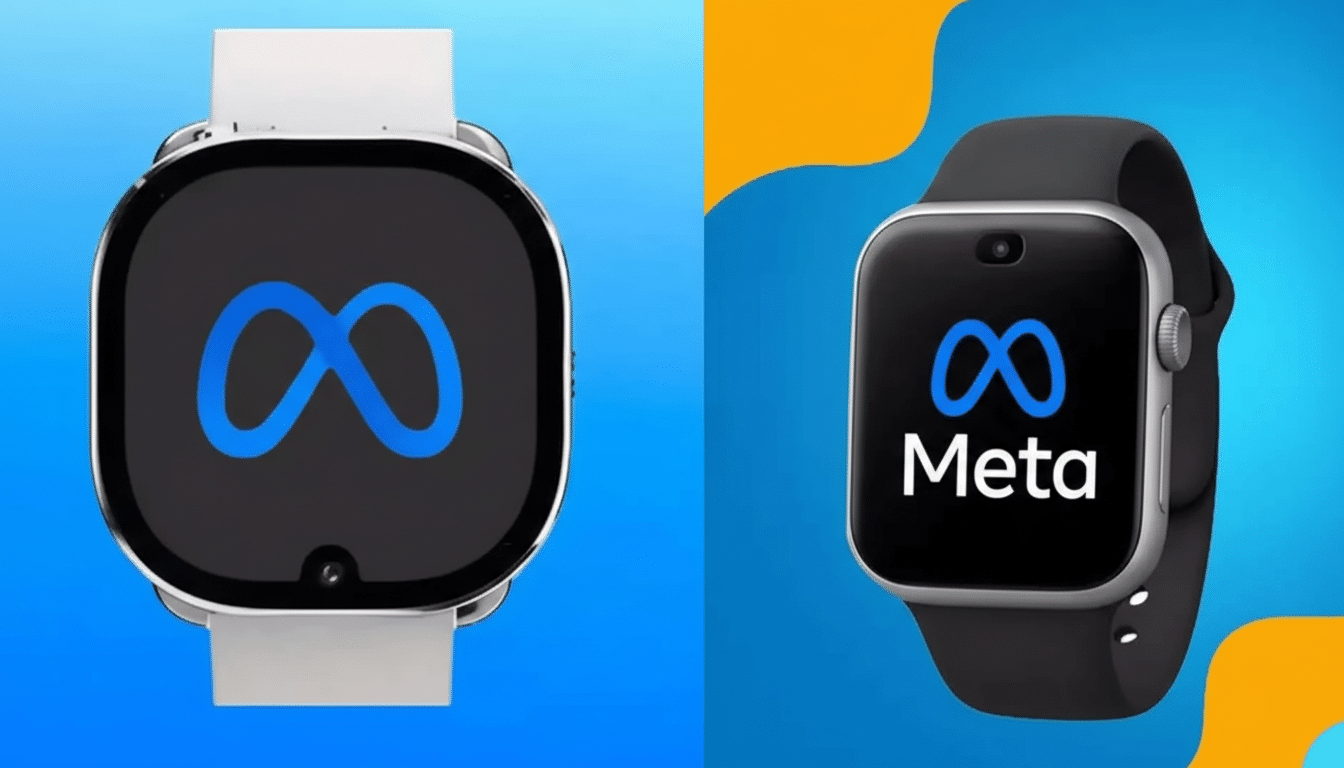
The throughline is clear. Meta wants a continuum of wearables—from glasses to wrist—to make its assistant ubiquitous and hands-free. A smartwatch is the most established form factor to deploy voice, glanceable information, and health features at scale, and it creates a daily touchpoint for Meta’s 3 billion–plus users across Facebook, Instagram, WhatsApp, and Messenger.
Health Tracking And On-Wrist AI Features
While specifications remain under wraps, a credible Malibu 2 would need a familiar sensor stack: optical heart rate monitoring, sleep and stress insights, GPS for workouts, and possibly SpO2. ECG and irregular rhythm notifications often require regulatory clearance, so watch for signals that Meta is pursuing certifications similar to those obtained by Apple, Samsung, and Fitbit in select markets.
The differentiator will be how deeply Meta AI is embedded. Expect context-aware coaching (think recovery prompts after strenuous runs), proactive nudges surfaced at a glance, and multimodal input that leans on voice and simple taps. If Meta follows its recent AI push, on-device processing could handle fast, private tasks, while the cloud takes heavier lifts—an architecture other watchmakers use to balance battery life with capability.
Market Context And Competition In Smartwatches
Smartwatches are no niche. IDC estimates that global wearables shipments surpassed 500 million units in 2023, with smartwatches and hearables leading the charge. Counterpoint Research reports the smartwatch category returned to growth in 2023 after a softer 2022, as new health features and better batteries enticed upgraders. Apple continues to dominate by shipments and revenue, with Samsung and Huawei rounding out the top tier.
To crack this field, Meta must do more than bolt an assistant onto a tracker. Battery endurance of 24–48 hours is table stakes; multi-day life would be a differentiator. Seamless Android and iOS compatibility matters, as does robust workout tracking to keep pace with Apple’s and Garmin’s fitness cred. Pricing will be pivotal too: a sub-$300 entry point has historically expanded addressable audiences, while premium materials and LTE add-ons can push higher tiers.
Lessons From Meta’s First Try At Smartwatches
Earlier Meta prototypes reportedly ran a version of Android and even experimented with a camera, a decision that complicated battery life and raised privacy red flags. Parallel research from Meta’s CTRL-labs acquisition explored wrist-based electromyography for neural interfaces—an area still in development that could someday allow subtle gestures to control glasses or a watch. Malibu 2 will likely be more conservative at launch, focusing on credible health features and AI utility over flashy but polarizing hardware.
The financial backdrop also looms large. Meta’s Reality Labs has logged multi-billion-dollar annual operating losses as it invests in XR. A mass-market smartwatch that sells through existing retail channels and pairs tightly with Meta’s apps could help spread those platform bets across a broader base of users.
Privacy And Platform Questions For Wearable Data
Health data is sensitive, and consumer wearables are under intensifying scrutiny from regulators and advocates. Meta will need clear, granular controls for health metrics, location, and voice interactions—with transparent defaults and easy opt-outs. Whether Malibu 2 leans on a customized Android build or a proprietary OS, interoperability with iOS and Android, plus a durable app ecosystem, will determine staying power.
What To Watch Next On Malibu 2 Launch Timeline
Clues to timing will surface in regulatory filings, Bluetooth listings, and developer documentation. Watch for evidence of LTE variants, battery capacities, and whether Meta courts fitness app partners or opens watch-specific APIs for messaging, camera handoff to phones, and AI skills. If Malibu 2 lands this year with credible health tracking and an assistant that feels genuinely helpful without being intrusive, Meta could finally put its mark on the wrist—and give the smartwatch incumbents their most unorthodox rival yet.