


Meta is trimming its metaverse ambitions again, with hundreds of roles being cut in Reality Labs this week, according to people familiar with the matter. The New York Times reports roughly 10% of the division’s workforce is affected, signaling a decisive reallocation of resources away from the metaverse toward wearables and AI-driven products.
Reality Labs, which builds Meta’s AR/VR hardware and software, employs around 15,000 people and is overseen by CTO Andrew Bosworth. Staff were called to an in-person meeting described internally as the most important of the year, the Times reported, underscoring the scale and urgency of the changes.

In a statement, Meta did not explicitly confirm the layoffs but said it is shifting investment from metaverse to wearables and plans to reinvest savings to accelerate growth in that category this year. The message aligns with a broader strategy pivot already underway inside the company.
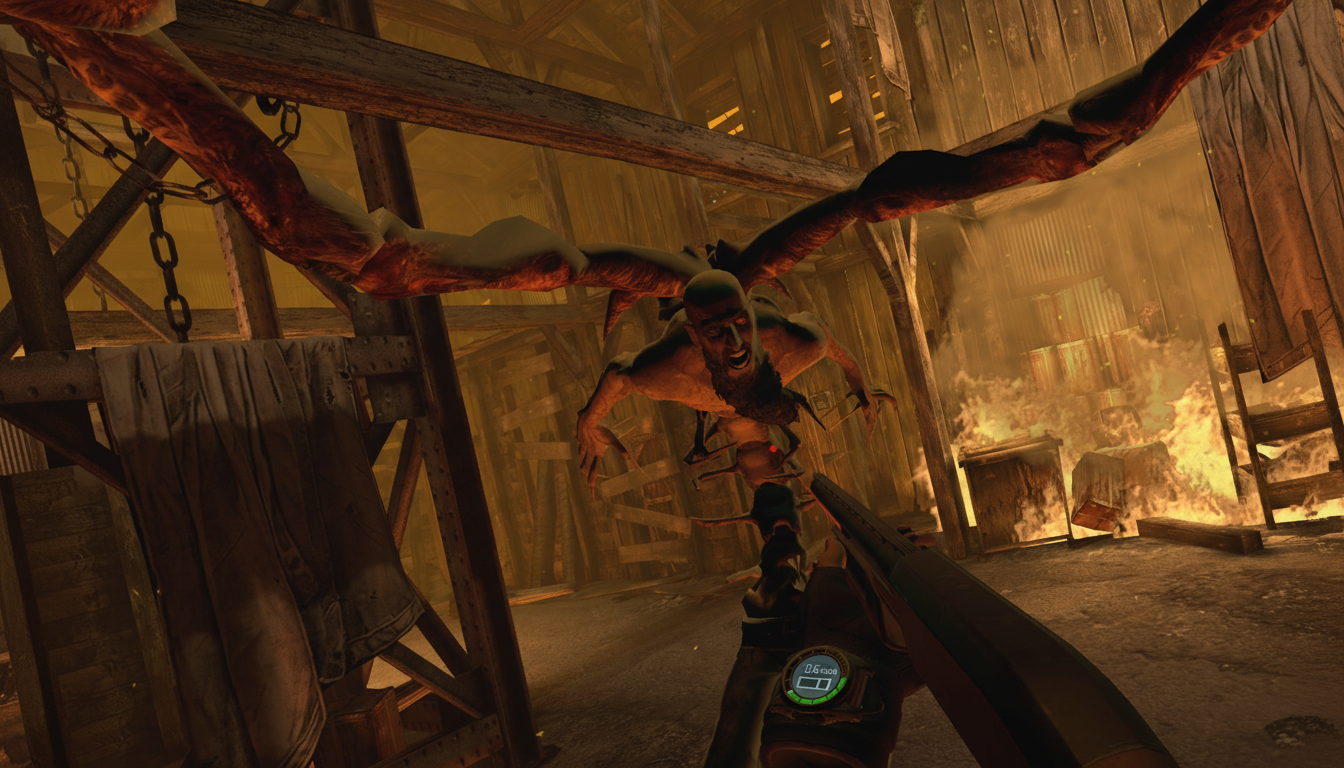
Posts from affected workers on social platforms also point to the shutdown of several VR game studios operating under the Meta umbrella, including Armature Studio, Twisted Pixel, and Sanzaru—teams known for projects like Resident Evil 4 VR and Asgard’s Wrath. The move suggests Meta is consolidating first-party content as it reshapes its hardware and software roadmap.
A Reset for Reality Labs as Meta Refocuses on Wearables
Bloomberg previously reported that Meta planned to cut metaverse spending by 30% and redirect funds to AI glasses and other wearables. That rebalancing follows strong traction for the Ray-Ban Meta smart glasses, which company figures and analyst estimates have pegged at more than 2 million units sold—rare momentum in a category that has struggled to break into the mainstream.
The shift reflects a pragmatic timeline. Fully fledged AR glasses remain a hard technical problem—optics, battery life, and custom silicon are all gating factors—while camera-first, voice-enabled eyewear can ship now and get better with software. Moving headcount and budget toward products that are already resonating with consumers is a logical bridge to more advanced AR down the line.
Why the Metaverse Push Stumbled and What It Cost Meta
Meta’s metaverse bet has been costly. The company has reported multi-year operating losses in Reality Labs, with external tallies putting cumulative losses at more than $70 billion over the past four years. While Quest hardware has a loyal base, sustained adoption of social VR and virtual workplaces has lagged initial expectations.
Industrywide, VR/AR demand has been uneven. Sales spike around major launches and holidays, then soften as content pipelines thin. That volatility makes first-party studios expensive to maintain. Consolidating teams can lower burn and push Meta to lean more on third-party developers while focusing internal efforts on platform features, hand tracking, mixed reality, and core OS improvements.
For developers, fewer in-house studios could mean a clearer lane to the spotlight on Quest stores—assuming Meta continues funding programs and marketing support. For consumers, the near-term question is whether marquee titles in development will ship as planned and how long existing games will receive updates on Quest 3 and future headsets.
AI and Compute Take Center Stage in Meta’s Product Plans
At the same time, Meta is ramping its AI infrastructure with a new initiative known internally as Meta Compute. CEO Mark Zuckerberg has framed the goal as building tens of gigawatts of capacity this decade and scaling beyond that over time—a signal that the company sees AI as central to product differentiation across Facebook, Instagram, WhatsApp, and hardware.
That infrastructure underpins two bets: generative AI in Meta’s apps and on-device assistants in wearables. Smart glasses are a natural canvas for multimodal AI—combining cameras, microphones, and displays for hands-free tasks, translation, and visual search. If Meta can ship compelling, privacy-aware features at scale, wearables could become a more reliable growth vector than speculative virtual worlds.
What to Watch as Meta Restructures Reality Labs and Games
Key details still to come include final headcount reductions, severance terms, and which teams will be absorbed versus sunset. Investors will look for evidence that the reorganization speeds up product cycles in wearables, narrows Reality Labs losses, and preserves enough content investment to keep Quest users engaged.
On the product side, watch for updates to the Ray-Ban Meta lineup, any timeline guidance for next-gen AR glasses, and signals on the Quest roadmap. For developers, clarity on Horizon OS priorities and funding for third-party titles will indicate how Meta plans to balance platform health against tighter budgets. In the near term, the message is unmistakable: AI and wearables are in, and Meta’s metaverse footprint is getting smaller.