


Meta is adding a new Conversation Focus feature to its smart glasses that gives wearers an option that might make it easier for you to chat face-to-face in a noisy environment. The feature appears to be rolling out in early access for certain Ray-Ban Meta and Oakley Meta HSTN frame owners, with testers telling me it’s started appearing after registering for the Meta Early Access program.
Conversation Focus is meant to amplify the voice of the person you’re speaking with through the glasses’ open-ear speakers, easing some of that burden of understanding in a din. The feature has started to land on devices for those enrolled in early access, as spotted by UploadVR.
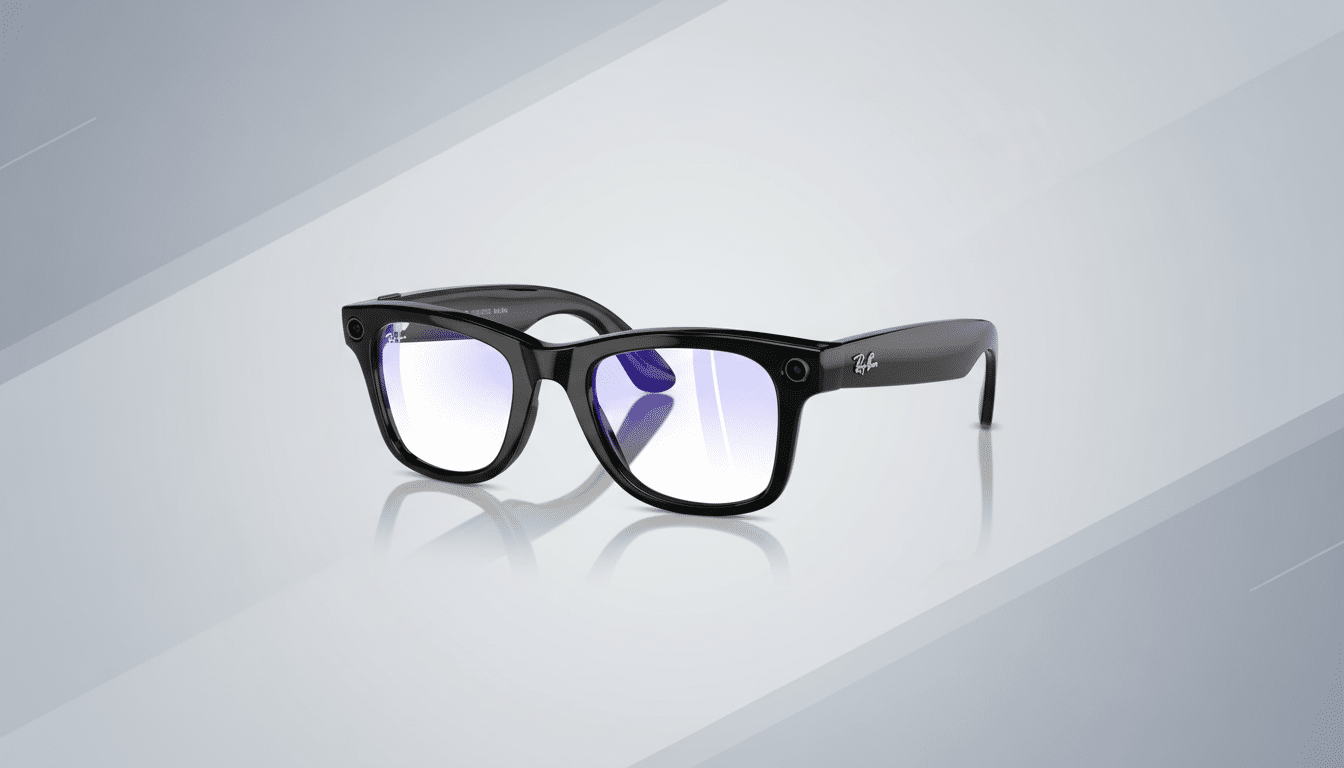
What Conversation Focus Does on Meta Smart Glasses
At its heart, Conversation Focus places greater weight on the person that is in front of you and leverages their voice so that it cuts through a din. Meta has positioned it as a convenience, accessibility-adjacent tool for places including busy cafés, airport gates, bustling sidewalks and open-plan offices — situations where you can hear friends or colleagues and constant background noise makes it fatiguing.
Meta’s guidance underscores real-world limitations: the glasses perform best when you are looking at the other person and are within about six feet. After you enable the feature, there’s a brief on-device tutorial that shows you how to position yourself for optimal results.
How It Works and Its Limits in Noisy Places
Meta has said Conversation Focus is meant for noisy (not obnoxiously loud) environments. With it, think crowded restaurant more than blaring concert. That difference tracks with acoustic norms: average conversation is roughly 60 decibels, while restaurants tend to register at around 70-80 decibels according to guidelines for hearing health from groups like NIOSH. Live shows can hit 100-plus dB where amplification alone is not enough to carry on a natural conversation.
This face-to-face, short-range construction also functions as a kind of quiet privacy guardrail. Since the feature is calibrated for the person right in front of you, up close, it is not engineered to pick up those distant voices or enable stealthy eavesdropping across a room.
Who Can Try It Today on Ray-Ban and Oakley Models
Conversation Focus is rolling out starting today to Meta Early Access participants and works with Ray-Ban Meta and Oakley Meta HSTN models. Those interested in joining can sign up through the accompanying Meta AI app or via Meta’s Early Access registration. Like all previews, the aspects we discuss below could change based on feedback and development before general availability.
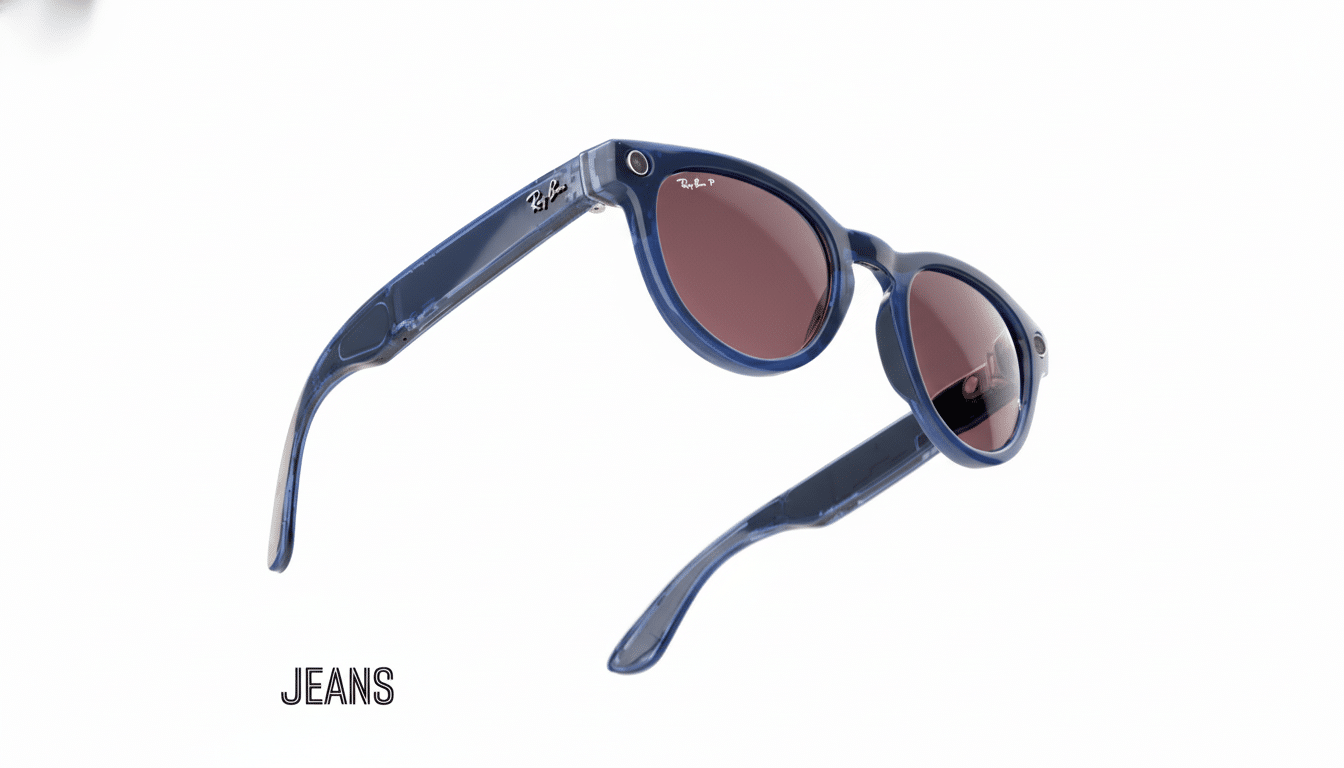
Once you have access, update the glasses’ firmware and the app on your phone first, Barrett said; then try them out in moderately noisy situations — maybe a café or office — while facing your conversation partner. Look forward to clearer voices in tight quarters, not miracles at rock concerts.
Why It Matters For Wearables And Accessibility
That line between convenience and assistive listening has been blurring ever since mainstream wearables began to bring streaming capability into the ears of millions of users worldwide. Apple’s Conversation Boost for AirPods Pro, Sony’s Speak-to-Chat and Bose’s various conversation modes are about making human speech more intelligible without turning devices into clinical-grade hearing aids. Meta’s vision takes that concept one step further in smart glasses, where open-ear audio and a forward-facing orientation are a natural fit for conversation with people standing nearby.
Importantly, Meta isn’t selling Conversation Focus as a substitute for hearing aids. It’s not, however, a dramatic step up from alternatives like the AirPods Pro — instead it’s more of an optional quality-of-life feature that might be useful for people who hear just fine but have trouble in crowded places, or want lighter assistance without walling themselves off from the world with full noise cancellation.
For Meta, the feature lays a marker for a larger thesis: that useful, everyday AI-enhanced features like this one will be the thing which draws people to face-worn devices. If Conversation Focus turns out to work in the real world, it would add evidence that smart glasses can solve a practical problem — rather than serving just as a camera or hands-free assistant.
Early access indicates a wider release is around the corner. For now, Conversation Focus offers owners of smart glasses a real, testable upgrade — one that might make the next raucous gathering much more bearable.