


Marissa Mayer is at it again, back in the role of contender with a new wager on consumer-friendly artificial intelligence. Her most recent startup, Dazzle, has raised an $8 million seed round at a valuation of $35 million led by Forerunner’s Kirsten Green with participation from Kleiner Perkins, Greycroft, Offline Ventures, Slow Ventures and Bling Capital. Dazzle is developing an AI-based personal assistant and is still in stealth — a pivot following the slow wind-down of Mayer’s former company, Sunshine.
A high-confidence bet from consumer VC royalty
Forerunner’s involvement is notable. Kirsten Green has a history of investing in category-defining consumer companies like Warby Parker, Dollar Shave Club and Chime. The fact that she is taking it upon herself to lead a seed round in an AI assistant reflects the conviction that the next wave of mass-market software might be personal, ambient and consumer-centered as much as enterprise-first.
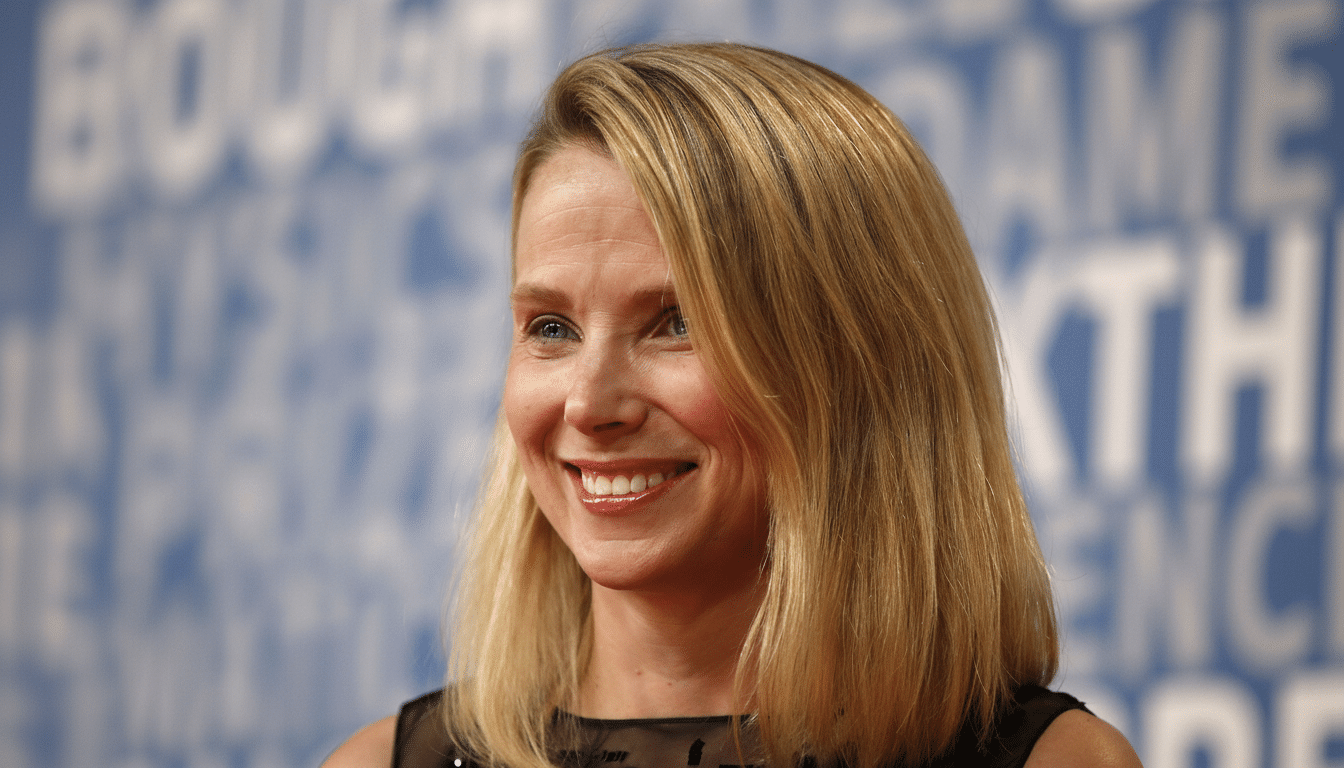
How big the round is also tells a story. Excitingly, Dazzle announced its latest round today for $8 million, a very different seed raise when compared to the median U.S. seed deal price in 2024 of just under $3 million according to recent Carta data points — it feels great to see a founder get the outside validation they deserve. Mayer has put her own capital in, but stresses that Green is the boss, a beckoning to the ecosystem that Dazzle isn’t just aiming for a consumer experience with brand-level ambition.
From Sunshine to Dazzle: Mayer’s renewed consumer AI push
Mayer’s previous act, Sunshine — formerly known as Lumi Labs — also centered on productivity and photo-sharing tools. Sunshine raised close to $20 million and launched products such as Sunshine Contacts and an AI-inflected photo app. The suite was laggard in breaking out, including from early privacy concerns and timid consumer adoption. When Sunshine folded, its investors owned 10% of Dazzle’s stock, aligning former backers with the turn.
Mayer has been upfront that the problems with Sunshine were narrower than they initially appeared and the final polish was not where she wanted it to be, for all its accessibility. That lesson dovetails with her lineage: Google’s 20th employee, she worked to shape the consumer-facing side of Search, Maps and AdWords — products known for being quick and easy to understand en masse.
Chasing the next wave of AI assistants in a crowded field
Dazzle is coming into its own in one of the most heated battlegrounds in software: AI-powered personal assistants that anticipate needs and carry out tasks across apps, services, and devices. “Details are under wraps — the company’s site is password-protected — but the direction is unmistakable.” It’s a big, crowded opportunity: Big Tech is scrambling to reimagine assistants (OpenAI with its agentic workflow, Google with Gemini products, Apple in an on-device A.I. push and Amazon for updates to Alexa), while startups sniff around for a wedge in everyday utility.
The market tailwinds are substantial. McKinsey, for example, projects that generative AI could create an additional $2.6–$4.4 trillion annually in economic value from customer operations to software engineering alone. And, globally at least – measured in the billions of endpoints – there’s increasing penetration, even if consumer satisfaction isn’t yet so universal: as such, industry analysts such as Juniper Research have noted and reported the similar growth trend seen by voice and virtual assistants.

The hurdle is sustained engagement. Assistant systems also have long been plagued by novelty fade and narrow task coverage. Winning is going to take sound rationale, trusted execution, thorough integrations, and a privacy posture that supports durable use over time. Cost discipline also counts: inference and orchestration at scale can squeeze margins if not balanced with smart on-device compute and efficient model selection.
Why Dazzle can win the consumer AI assistant marketplace
Mayer’s product sensibilities and Forerunner’s native consumer brand DNA is an interesting combo. If Dazzle mixes high-agency AI with considerate UX and a deft distribution strategy — partnerships, app-store positioning and word-of-mouth loops, anyone? — it can simulate beyond raw model horsepower. The lesson from Sunshine is a recipe for others to follow: focus on polish; simplify onboarding; anchor utility around repeatable, high-frequency tasks that don’t yet have internet scale solutions (Scheduling, Travel, Shopping & Communications).
Trust will be decisive. Early doubts around Sunshine’s data enrichment method mean a privacy-by-design architecture—explicit permissions, transparent data processing and granular control—could separate Dazzle. In consumer AI, it is just as much about confidence and clarity as capacity.
What to watch next as Dazzle leaves stealth and launches
Dazzle is set to come out of the darkness soon, with potential questions hanging around its primary use cases, pricing and technical architecture (on-device vs. cloud execution, how it blends proprietary and open models).
Signals to watch:
- The depth of third-party integrations across major apps
- Early retention cohorts and user engagement patterns
- Progress on complex, multi-step tasks beyond chat into real agentic workflows
For now, the raise validates a simple thesis: The consumer AI assistant market is ripe for a second act, and Mayer — with backing from one of the best-connected consumer investors in the world — wants to write it. If Dazzle can combine everyday utility with resilient design, it stands a good chance of turning this category from demo-worthy to essential.