


In a major development for gambling regulation in the United States, the state of Maine has officially legalised online gambling, marking a significant expansion of its gaming industry and granting its federally recognised tribes exclusive rights to operate internet-based casino gaming within state borders.
The decision comes after Governor Janet Mills allowed Legislative Document 1164 — titled An Act to Create Economic Opportunity for the Wabanaki Nations Through Internet Gaming — to become law without her signature, a procedural route permitted under Maine law when the Governor takes no action within a specified timeframe after legislative adjournment.
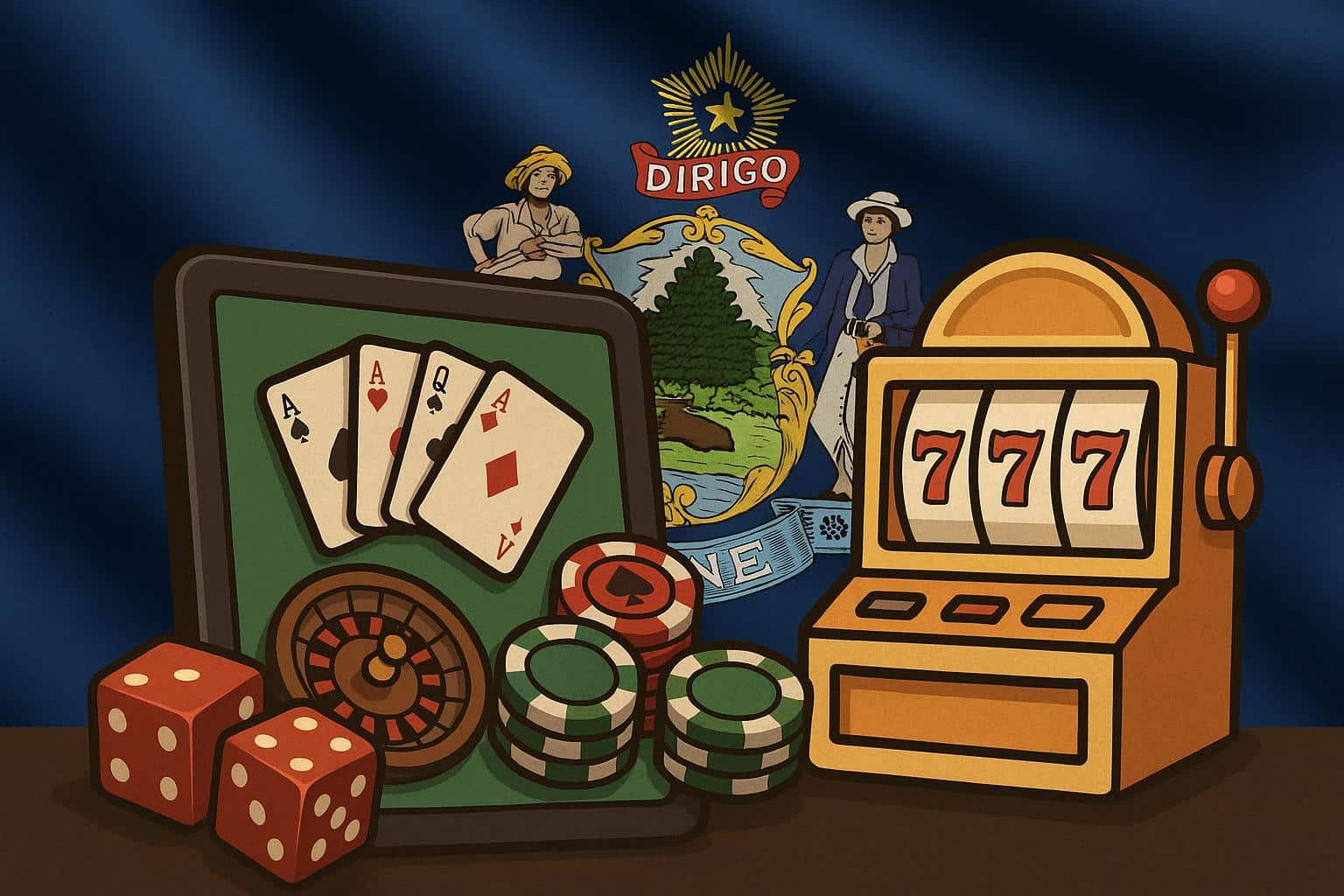
This move positions Maine as the eighth U.S. state to legalize online casino gambling, joining others such as New Jersey, Pennsylvania, Michigan, and Connecticut.
New Era for Online Gambling in Maine
LD 1164 was approved by the Maine Legislature during its 2025 session, representing a continuation of efforts to expand internet gaming beyond mobile sports betting, which was authorised under a 2022 law.
The bill’s primary aim was to establish a legal framework enabling online casino games — including slots, blackjack, poker, and roulette — to be offered by tribal nations operating within the state. Under the legislation, the four federally recognised tribes that make up the Wabanaki Nations will have the exclusive right to partner with licensed operators and provide online gaming services to Maine residents.
Tribal Empowerment and Economic Development
Supporters of LD 1164 emphasised the potential for significant economic benefits for tribal communities across Maine. Tribal leaders argued that online gambling revenue could help fund essential services, including housing, healthcare, education, and infrastructure projects within their communities.
Chief William Nicholas Sr. of the Passamaquoddy Tribe at Indian Township described the law as a breakthrough for tribal economic sovereignty, saying it will provide revenue streams that have historically been difficult to secure.
Under the new law, each of the Wabanaki Nations may enter partnerships with technology providers to launch gaming platforms. This model mirrors the structure currently in place for online sports wagering, where tribes work with national brands like DraftKings and Caesars to offer regulated betting services.
Governor’s Role and Responsible Gaming
Governor Janet Mills opted not to veto the bill during the constitutional window following the legislature’s adjournment, allowing the measure to automatically become law after several days. This tacit approval followed months of debate and extensive legislative manoeuvring.
In her public remarks, Mills acknowledged concerns about the potential social impacts of expanded gambling but emphasised her confidence in the state’s regulatory authorities to implement responsible rules and consumer protections.
Regulatory Oversight
Following enactment, the Maine Gambling Control Unit — part of the Department of Public Safety — will be responsible for developing regulations for online gambling operations. These rules are expected to include licensing standards, integrity controls, and responsible-gaming safeguards aimed at minimising harm to vulnerable individuals.
State officials have highlighted the importance of robust oversight to ensure that online casino platforms comply with consumer protection requirements and help prevent underage gambling.
Industry Reactions and Next Steps
The law has garnered mixed reactions across the gaming sector. Advocacy groups and tribal representatives welcomed the legislation as a progressive step toward economic self-determination and a way to bring previously unregulated online activities into a transparent, taxed framework.
At the same time, some commercial casino operators and regulatory stakeholders expressed reservations about the exclusive model granted to tribes. Concerns have included potential impacts on traditional land-based casinos and questions about how competition will unfold within the online market.
Industry watchers and players alike are beginning to prepare for this expansion of online gaming. Websites like Jackpot Sounds explained the broader cultural interest in how digital gaming formats — including casino games and interactive experiences — are shaping entertainment for audiences nationwide, underscoring how regulatory changes influence gaming trends.
Timeline and Launch
Although the law is now in place, it is not expected that online casino services will be immediately available to players. Regulatory frameworks must first be established and finalised licensing procedures implemented. Industry observers project that legal online gambling could launch later in 2026, once the necessary regulatory and technological systems are in place.
What This Means for Players and the State
For Maine residents, the legalisation of online gambling marks a shift in the state’s gaming landscape. Currently, residents can legally place sports bets and participate in lottery activities, but real-money online casino gaming has been inaccessible through regulated channels.
With the new law, Mainers — and others physically located in the state — will eventually be able to access regulated online casino games on mobile devices and computers through licensed platforms. This change provides an alternative to informal or offshore sites that have historically operated outside state law, offering greater consumer safeguards and dispute-resolution mechanisms.
As the space evolves, agencies such as the Maine Gambling Control Unit will publish official guidelines and updates on licensing and responsible gaming on their website. For the latest legal details directly from the state, you can explore the Department of Public Safety’s news and events page on online casino regulation and other gaming updates.