


High-strength aluminum alloys are widely used in aerospace, automotive, and industrial manufacturing, but their exceptional mechanical properties also present unique machining challenges. Compared with softer aluminum grades, 7000 series alloys require more careful control of tooling, cutting parameters, and process stability to achieve optimal results.
This article provides practical machining advice for commonly used 7000 series aluminum alloys—including 7075, 7175, and 7050—focusing on surface quality, tool life, and dimensional accuracy.
- Why Machining 7000 Series Aluminum Is Different
- General Machining Guidelines for 7000 Series Aluminum
- Machining 7075 Aluminum: Strength with Good Machinability
- Machining 7075 Aluminum: Strength with Good Machinability
- Machining 7050 Aluminum: Performance in Thick Sections
- Managing Residual Stress and Distortion
- Choosing the Right Alloy for Machining Efficiency
- Conclusion
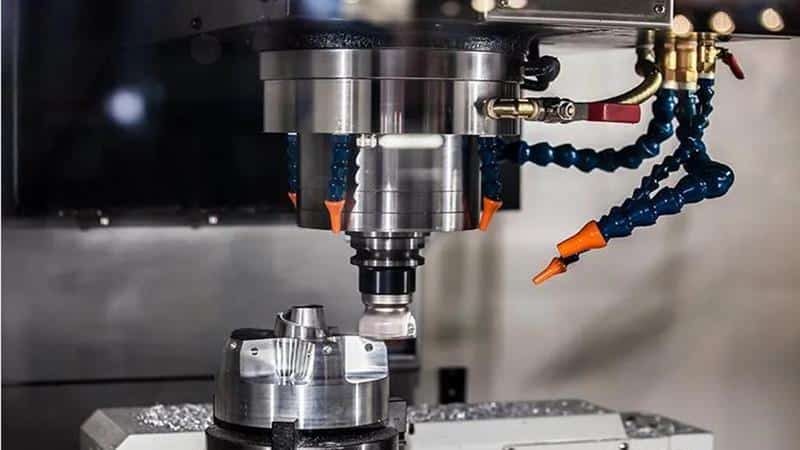
Why Machining 7000 Series Aluminum Is Different
The 7000 series aluminum alloys are primarily alloyed with zinc, magnesium, and copper, which give them extremely high strength after heat treatment. While these properties make them ideal for load-bearing components, they also affect machinability.
Key machining characteristics of 7000 series alloys include:
- Higher cutting forces than 2000 or 6000 series alloys
- Increased tool wear due to alloy hardness
- Sensitivity to heat buildup during high-speed machining
- Excellent chip breakability when parameters are properly optimized
Understanding these traits is the foundation for successful machining of high-strength aluminum components.
General Machining Guidelines for 7000 Series Aluminum
Despite differences among individual alloys, several best practices apply across the 7000 series:
Tooling Selection
- Use sharp carbide tools with polished flutes
- Apply tool coatings designed for aluminum to reduce built-up edge (BUE)
- Maintain generous rake angles to promote smooth chip evacuation
Cutting Parameters
- Favor high spindle speeds with moderate feed rates
- Avoid excessive depth of cut that can increase heat and vibration
- Adjust parameters based on part geometry and rigidity
Cooling and Lubrication
- Use flood coolant or minimum quantity lubrication (MQL)
- Prevent localized heat accumulation, especially in deep pockets
- Ensure consistent coolant delivery to cutting edges
Machining 7075 Aluminum: Strength with Good Machinability
7075 aluminum is often considered the benchmark for high-strength aluminum machining. Despite its hardness, it offers relatively good machinability when proper tooling and parameters are used.
Typical machining considerations for 7075 include:
- Clean chip formation with minimal smearing
- Stable dimensional accuracy after machining
- Good surface finish in T6 and T651 tempers
Because of its widespread use, 7075 is commonly selected for aerospace fittings, tooling plates, and high-load structural parts. However, understanding the 7175 and 7075 aluminum difference becomes important when machining thicker sections or components with strict fracture-toughness requirements.
Machining 7075 Aluminum: Strength with Good Machinability
7075 aluminum is often considered the benchmark for high-strength aluminum machining. Despite its hardness, it offers relatively good machinability when proper tooling and parameters are used.
Typical machining considerations for 7075 include:
- Clean chip formation with minimal smearing
- Stable dimensional accuracy after machining
- Good surface finish in T6 and T651 tempers
Because of its widespread use, 7075 is commonly selected for aerospace fittings, tooling plates, and high-load structural parts. However, understanding the 7175 and 7075 aluminum difference becomes important when machining thicker sections or components with strict fracture-toughness requirements.
Machining 7050 Aluminum: Performance in Thick Sections
7050 aluminum is specifically designed for thick aerospace components and offers superior resistance to stress corrosion cracking compared to standard 7075.
Machining advice for 7050 includes:
- Maintain rigid fixturing to control vibration
- Use step-down machining strategies for deep cavities
- Monitor tool wear closely during long machining cycles
Due to its stability and predictable behavior, 7050 is frequently chosen for large structural parts that require extensive material removal.
Managing Residual Stress and Distortion
Residual stress is a common concern when machining high-strength aluminum alloys, particularly in aerospace applications.
To minimize distortion:
- Use stress-relieved tempers such as T651 when available
- Apply symmetric machining strategies
- Remove material evenly from both sides of the workpiece
- Allow parts to rest between roughing and finishing operations
These practices help maintain dimensional accuracy and reduce post-machining deformation.
Choosing the Right Alloy for Machining Efficiency
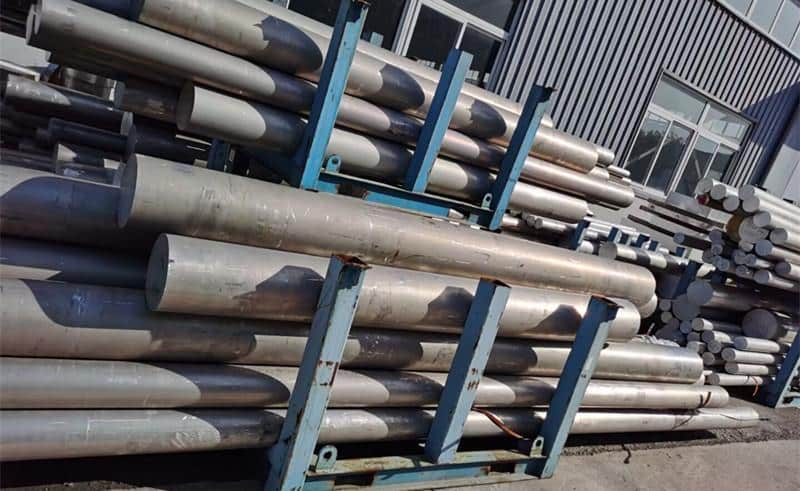
While all 7000 series alloys offer excellent strength, machinability varies depending on component thickness, tolerance requirements, and production volume.
- 7075 is often preferred for general-purpose high-strength parts
- 7175 excels in thick, safety-critical components
- 7050 is ideal for large aerospace structures requiring stability
A broader overview of alloy options and performance trade-offs can be found in this detailed guide on 7000 series aluminum, which outlines how different grades are optimized for specific applications.
Conclusion
Machining high-strength 7000 series aluminum alloys requires a balance between aggressive material removal and controlled process stability. By selecting appropriate tooling, optimizing cutting parameters, and understanding the differences between alloys such as 7075, 7175, and 7050, manufacturers can achieve excellent surface quality, dimensional accuracy, and production efficiency.
As aerospace and high-performance manufacturing continue to evolve, informed machining practices remain essential for maximizing the value of advanced aluminum alloys.