


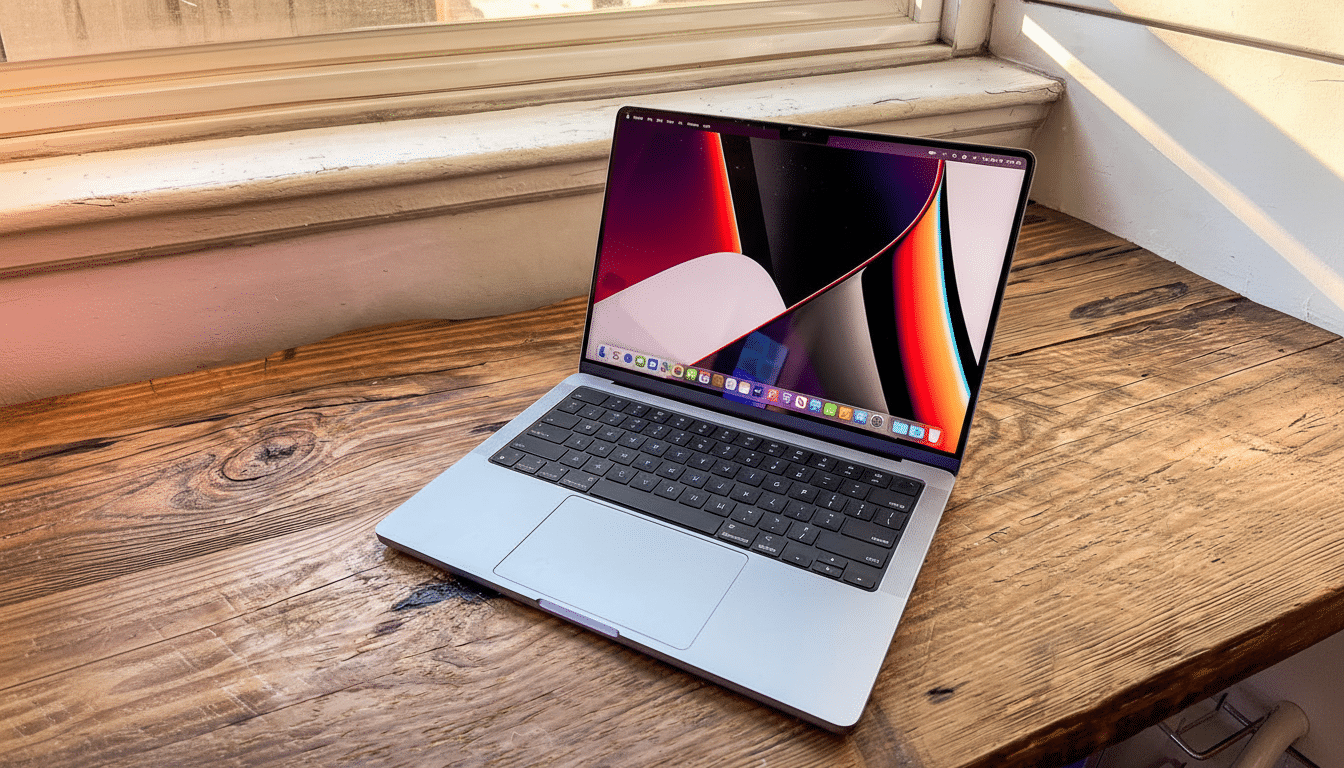
Apple’s newest MacBook Pro lineup arrives with fresh silicon and a sticker shock. The latest 14-inch and 16-inch models debut with M5 Pro and M5 Max chips, but baseline prices now start at $2,199 and $2,699 for M5 Pro, while M5 Max configurations jump to $3,599 and $3,899. That’s as much as $400 more than comparable predecessors, a hike industry watchers tie squarely to a global RAM squeeze.
Last generation’s 14-inch MacBook Pro opened at $1,999, so the new floor represents a meaningful shift for buyers weighing performance gains against component-driven inflation. Apple is positioning the M5 series as a substantial leap for on-device AI workloads, yet the economics behind memory are shaping the headline as much as the chip speeds.
Prices Climb as Memory Costs Spike Across the Industry
Behind the higher tags is the rising bill of materials for DRAM. Unified memory in Apple Silicon isn’t an off-the-shelf slot; it’s tightly integrated with the SoC package, using high-speed LPDDR and advanced packaging. When memory prices surge, Apple has less room to absorb the hit without passing it on, especially in Pro-tier machines where bandwidth and capacity are central to performance.
Market trackers including TrendForce and Gartner have reported sustained, double-digit increases in DRAM contract prices over multiple quarters as suppliers prioritize high-margin products. Manufacturers have shifted capacity toward high bandwidth memory (HBM) serving AI accelerators, tightening supply for PC and mobile DRAM. In short, the most inflationary component in a modern laptop is getting scarcer and pricier—and Pro notebooks feel it first.
AI Servers Siphon DRAM Supply Amid Data Center Boom
The root cause is the AI buildout. Data centers racing to train and serve large models are gobbling up memory at unprecedented rates. Suppliers like SK hynix, Samsung, and Micron are channeling more wafer starts to HBM stacks that pair with GPUs, leaving fewer bits for LPDDR5/5X and DDR5 used in laptops and desktops. Analysts at Counterpoint and IDC have warned that spillover effects could dent smartphone production as OEMs juggle limited memory allocations and rising costs.
This is a classic allocation squeeze: with HBM commanding premium pricing and long-term commitments from hyperscalers, mainstream DRAM inventories stay lean and prices stay elevated. For consumer hardware cycles that hinge on predictable component costs, the timing is brutal—just as AI-centric features become a selling point on premium notebooks.
What Changes With the New MacBook Pro Lineup
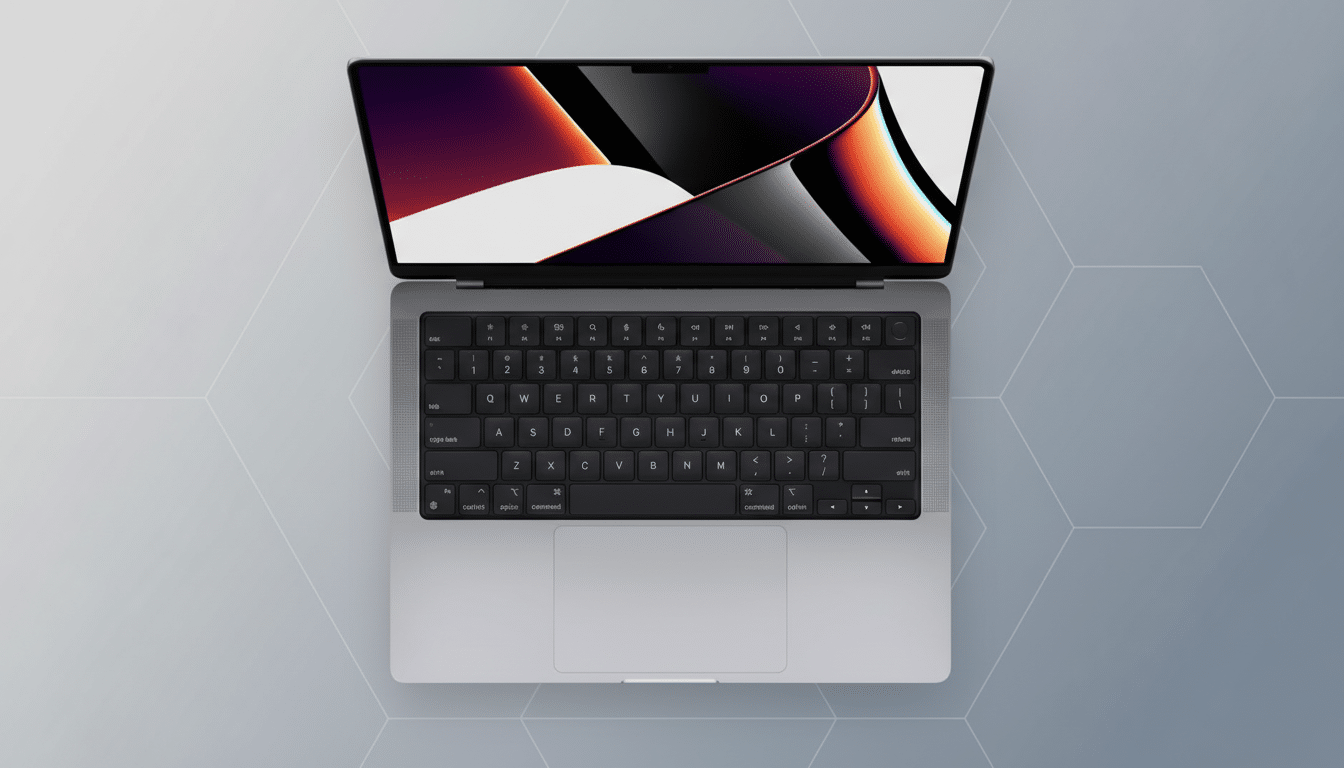
Apple’s M5 Pro and M5 Max focus on throughput. The company touts an 18-core CPU and over 4x the peak GPU compute for AI tasks versus the prior generation. That kind of headroom demands fast, low-latency unified memory to keep the GPU and CPU fed. The catch: because Apple’s memory is on-package, it’s not user-upgradable—so buyers feel the full cost of capacity choices at checkout, and those choices are directly exposed to the DRAM market.
While Apple rarely details component line items, the pricing deltas map to what component firms and research houses have flagged for months: memory is the swing factor in premium notebook BOMs. Even if core storage and display costs remain relatively stable, a tight DRAM market can push total system cost well beyond what a vendor can quietly absorb, especially on low-volume, high-performance SKUs.
A Bellwether for the PC Market as Costs Rise
Apple’s pricing often sets a tone for the high end. If a top-tier notebook line is moving up by $200 to $400, expect competitors to face similar pressure. PC makers that don’t integrate memory on-package may flex configurations more aggressively—offering leaner base RAM to keep starting prices attractive—yet total cost for like-for-like memory is rising across the board. Recent notes from TrendForce and Omdia point to tighter LPDDR supply and longer lead times, a mix that tends to lift prices industry-wide.
Smartphone OEMs are not immune. Several analyst houses have cautioned that constrained DRAM and NAND supply could weigh on handset shipments and margins, with some vendors prioritizing flagship devices where memory upgrades are monetized better. That dynamic reinforces the feedback loop: premium segments keep the best allocations, while volume models wait.
What Buyers Should Do Now Amid Elevated RAM Costs
For creative pros or developers who need the M5 platform, the new MacBook Pro still delivers performance-per-watt that’s hard to match, particularly for on-device AI, media, and code builds. Just plan memory carefully—buy the capacity you’ll need for the life of the machine, since upgrades aren’t possible later, and higher-memory configurations may carry longer ship times when supply tightens.
If your workload is lighter, the latest MacBook Air or a prior-generation Pro may offer better value while RAM prices remain elevated. Historically, DRAM cycles do normalize; industry groups like the Semiconductor Industry Association note that capacity additions and node transitions eventually ease pricing. But with AI demand still accelerating, relief may not be immediate.
The bottom line: the MacBook Pro price hike isn’t mere margin play—it’s a visible readout of a memory market being reshaped by AI. Until DRAM supply catches up, premium laptops will carry the cost of that shift.