


Apple’s newest MacBook Pro lineup arrives with faster silicon and a familiar sticker shock. Prices for the refreshed models are up by as much as $400 compared with the previous generation, a jump industry watchers largely attribute to a global squeeze on RAM that’s rippling through PCs, phones, and data center gear alike.
New Chips In Tow And Higher Price Floors
The latest MacBook Pro machines pair redesigned internals with Apple’s new M5 Pro and M5 Max chips. Apple touts an 18-core CPU and markedly stronger on‑device AI capabilities, claiming more than 4x peak GPU compute for AI versus the last generation. The performance bump, however, lands alongside higher entry prices.
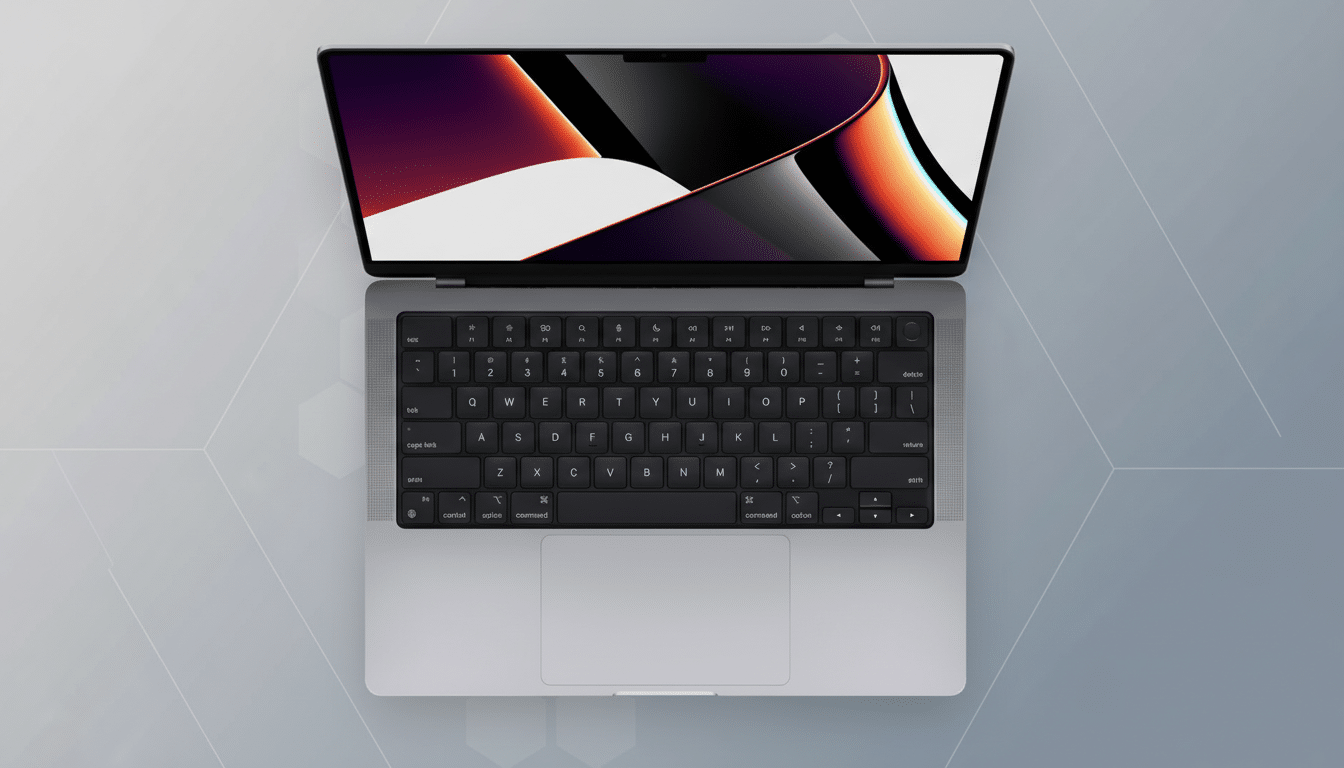
The 14‑inch MacBook Pro with M5 Pro now starts at $2,199, while the 16‑inch begins at $2,699—up from $1,999 and $2,499 on the prior models. Configurations with M5 Max start at $3,599 for 14 inches and $3,899 for 16 inches, each a full $400 above their predecessors. Those increases track closely with recent component cost pressures rather than typical year‑on‑year tweaks.
Why RAM Is the New Bottleneck for Premium Laptops
Behind the scenes, memory is the culprit. The AI server boom has consumed vast quantities of high‑bandwidth memory (HBM), prompting suppliers to prioritize HBM production over conventional DRAM used in laptops and phones. TrendForce has repeatedly flagged tight DRAM supply and rising contract prices across 2024 and 2025, with PC DRAM seeing double‑digit sequential increases in multiple quarters as capacity shifted to higher‑margin HBM.
That reallocation squeezes the market for the low‑power DRAM (like LPDDR5‑class chips) that Apple integrates directly into its MacBook Pro system‑on‑a‑chip packages. Micron and SK hynix have both told investors that supply will remain constrained as they expand HBM lines, while Samsung has signaled similar mix shifts. Net effect: memory average selling prices are up, lead times are longer, and OEMs face fewer opportunities to buy at discount.
Component analysts at Omdia and Counterpoint Research estimate memory can account for roughly 15%–25% of a premium laptop’s bill of materials. When DRAM pricing climbs sharply—compounded by advanced on‑package assembly—retail devices can see triple‑digit increases without any visible cosmetic changes. Apple’s decision to move list prices up suggests those costs are too large to quietly absorb at current volumes.
Unified Memory Magnifies the Impact on Pricing
Apple’s unified memory architecture delivers bandwidth and efficiency benefits, but it also means the RAM is packaged alongside the processor and cannot be upgraded later. That makes Apple more exposed to swings in advanced LPDDR pricing and packaging yields: there’s no option to use cheaper DIMMs, and memory capacity decisions happen at the factory, not at the checkout counter.
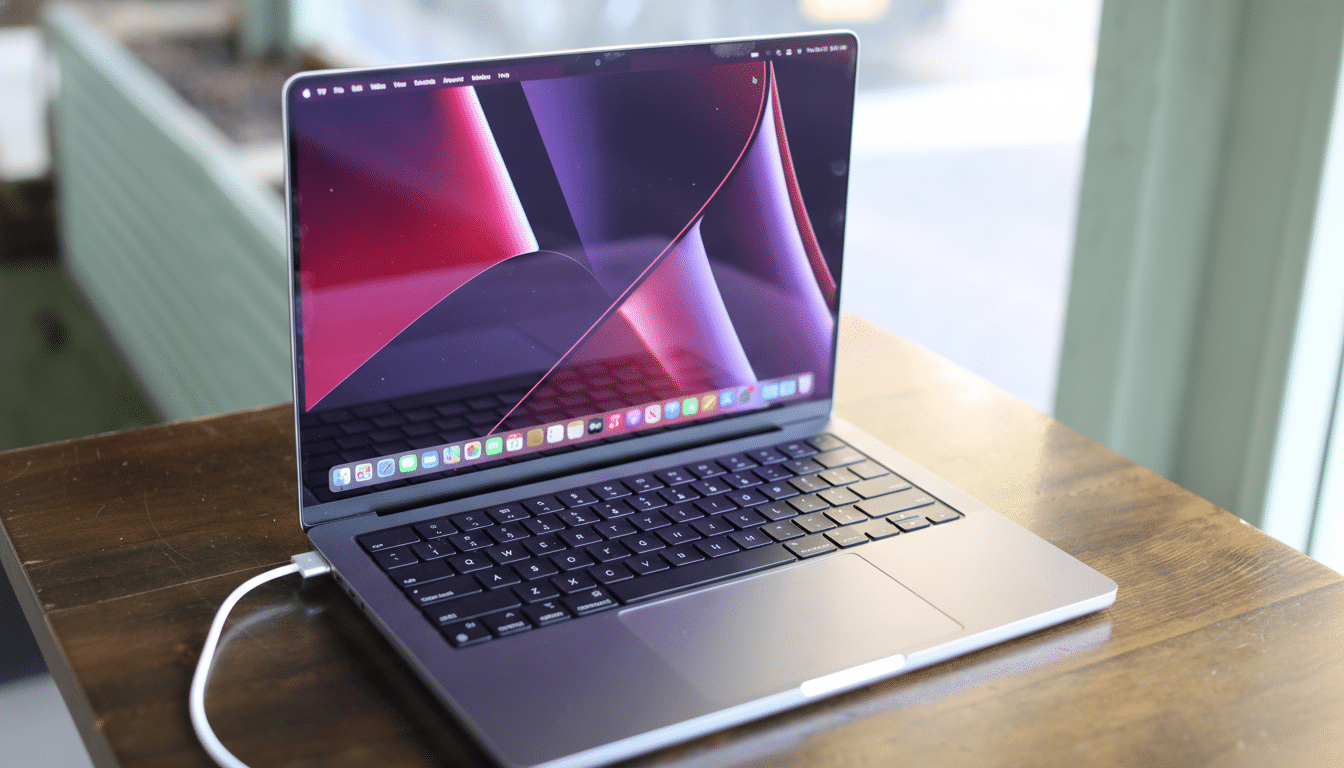
It also explains why memory steps on MacBook Pro configurations carry steeper premiums than many Windows counterparts. With supply tight and speeds high, every additional gigabyte occupies scarce, high‑spec silicon real estate. For power users who rely on large models, 4K timelines, or massive codebases, picking the right capacity up front matters more than ever, because there’s no aftermarket path to add RAM later.
Signals from the Wider Hardware Market on Memory
The pricing shift isn’t isolated to Macs. Several PC brands have quietly nudged up tags on high‑end configurations or leaned less on aggressive promotions. On mobile, IDC and Counterpoint have warned that persistent memory tightness could pressure smartphone shipments and margins, especially for models targeting higher RAM tiers. Even Apple’s new MacBook Air reportedly saw $100 increases at the base, a sign the pressure extends beyond the Pro line.
Relief will depend on how quickly memory makers ramp HBM while restoring capacity for LPDDR5‑class chips. All three major DRAM suppliers are expanding output, but industry forecasts suggest normalization will be gradual. Given the structural demand from AI accelerators, many expect DRAM prices to remain elevated in the near term, keeping premium laptops pricier than a cycle ago.
What Buyers Should Consider Now Before Upgrading
If you need the M5 Pro or M5 Max gains today—especially for AI workloads, 3D, or heavy media—budget with the higher floor in mind and prioritize sufficient memory from the outset. If your workflows are well served by last‑gen performance, watch for closeout pricing on M4‑era MacBook Pros, which could undercut the new baseline by a meaningful margin. Education and business purchasing programs may also soften the blow while RAM markets stay tight.
Bottom line: the MacBook Pro didn’t just get faster—it got caught in a global memory crunch. Until DRAM supply loosens, expect premium notebooks to carry premium prices, with Apple’s latest models setting the tone.