


Lucid Motors is eliminating 12% of its workforce as the luxury EV maker tightens expenses and reorients around a clearer path to profitability. The reductions, communicated in a companywide memo from interim CEO Marc Winterhoff, focus on non-hourly roles and arrive as the company works to scale production while curbing cash burn.
Why the Cuts Are Happening at Lucid Amid Profit Push
The move underscores a familiar tension in the EV sector: building world-class vehicles is capital intensive, yet investor patience for long, loss-heavy ramps is thinning. Lucid has the backing of a deep-pocketed strategic investor in Saudi Arabia’s Public Investment Fund, but even well-capitalized players are prioritizing operating discipline amid softer EV demand growth, intensifying price competition, and rising incentive levels tracked by firms like Cox Automotive.
- Why the Cuts Are Happening at Lucid Amid Profit Push
- Who Is Affected and What It Signals for Operations
- Product Roadmap Remains Center Stage at Lucid Motors
- The EV Landscape Context for Startups and Incumbents
- Key Metrics to Watch for Lucid’s Profitability Path
- Bottom Line on Lucid’s Layoffs and Profit Strategy
By trimming overhead and streamlining programs outside of core manufacturing, Lucid is signaling it wants to protect product launches and quality while aligning spending with nearer-term revenue. The company has previously disclosed a global headcount in the thousands; a 12% reduction implies hundreds of positions affected.
Who Is Affected and What It Signals for Operations
Hourly workers in manufacturing, logistics, and quality are not included in the layoffs, according to the internal memo. That carve-out matters: preserving factory-floor talent suggests Lucid aims to maintain production momentum and safeguard recent quality gains rather than pause its ramp.
Impacted employees will receive severance, bonus considerations, extended health coverage, and transition support. While specifics vary by role and jurisdiction, packages of this kind help mitigate disruption and can reduce the risk of losing institutional knowledge as teams are reshaped.
Product Roadmap Remains Center Stage at Lucid Motors
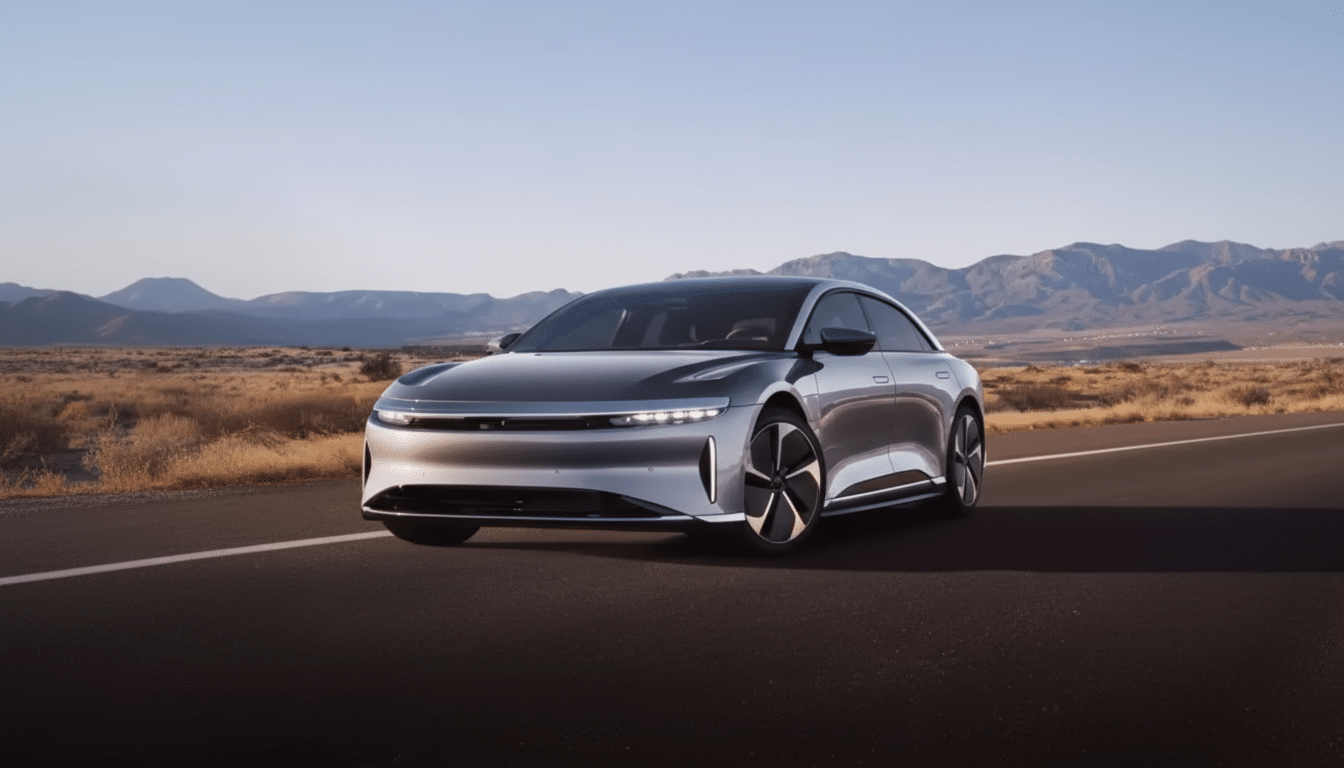
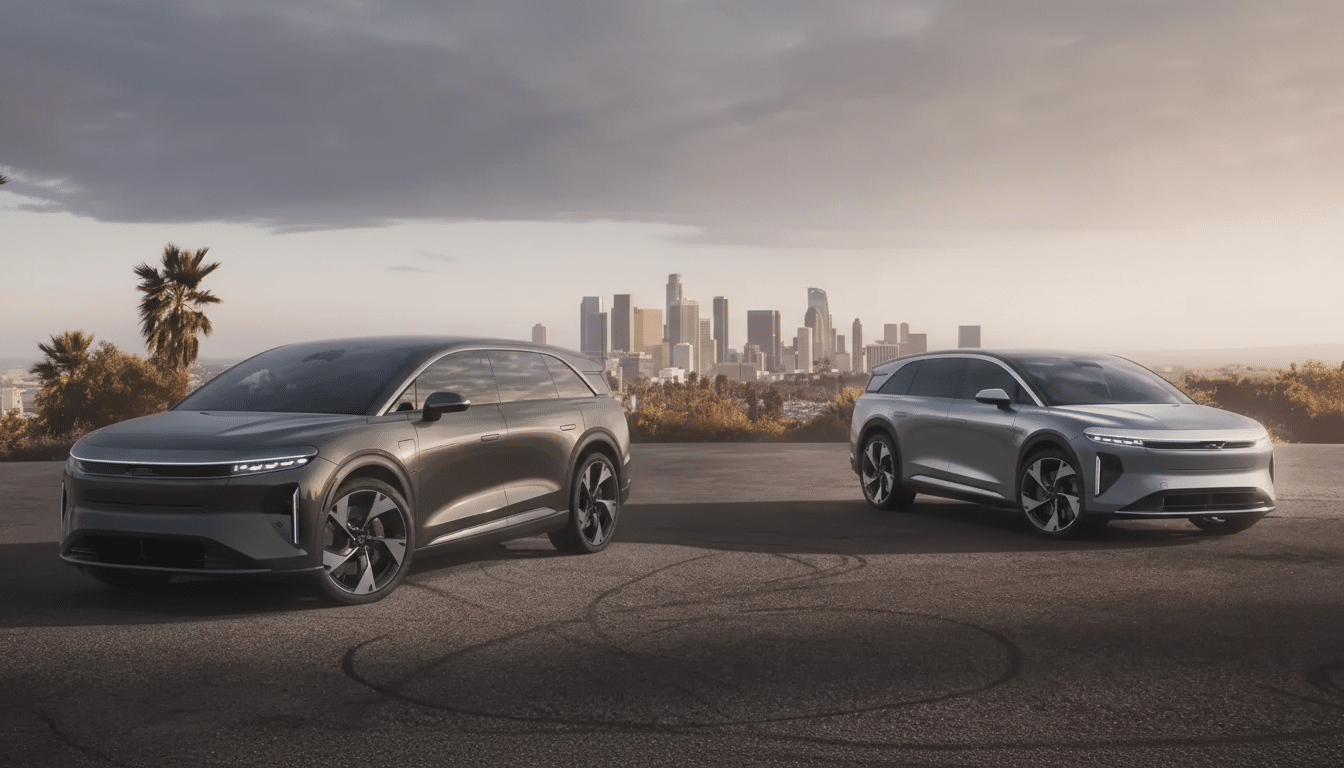
Leadership emphasized that the company’s strategy is intact. Lucid is continuing the production ramp of its Gravity SUV after early build and quality challenges, with output having accelerated meaningfully in recent periods. The Air sedan remains a halo product for efficiency and performance, anchoring the brand at the high end of the market.
The next growth lever is a mid-size platform aimed at a roughly $50,000 price point, a crucial segment where volumes and cross-shopping intensify. Success there could materially expand Lucid’s addressable market, even if margins are initially tight. In parallel, Lucid is advancing driver-assistance software and exploring autonomy through partnerships with Uber and Nuro for a planned robotaxi service in the San Francisco area—an effort that, if executed carefully, could yield high-utilization showcase fleets and valuable real-world data.
The EV Landscape Context for Startups and Incumbents
Lucid is not alone in recalibrating. Rivian and other EV startups have executed multiple rounds of workforce reductions in the pursuit of lower unit costs and leaner operating footprints. Incumbents have deferred or resized EV investments in response to mixed consumer demand signals. Tesla’s price moves reset expectations across segments, compressing gross margins industrywide and forcing challengers to sharpen cost structures earlier than planned.
For luxury-leaning EVs, the playbook increasingly favors tight inventory management, selective trims and options to preserve contribution margins, and laser focus on launch quality to minimize costly rework. Lucid’s decision to spare hourly manufacturing roles aligns with that operating philosophy.
Key Metrics to Watch for Lucid’s Profitability Path
Investors will look for evidence that the headcount action translates to a lower operating expense run-rate without impairing the product cadence. Watch for delivery growth, cash used in operations, and automotive gross margin trajectory alongside Gravity’s throughput and quality metrics. Milestones on the mid-size program—supplier nomination, tooling progress, and start-of-production readiness—will be equally telling.
Leadership stability is another variable. Lucid has operated with an interim chief executive while navigating executive turnover, and clarity on permanent leadership could help execution and investor confidence. On partnerships, tangible steps toward the Uber and Nuro robotaxi deployment—such as pilot scale, operational design domain specifics, and safety case disclosures—will indicate how quickly that initiative can contribute strategic value.
Bottom Line on Lucid’s Layoffs and Profit Strategy
Cutting 12% of staff is a sober admission that Lucid must move faster toward sustainable unit economics. By shielding factory roles and reaffirming its roadmap, the company is betting that near-term pain can support cleaner execution on Gravity, a pivotal mid-size launch, and software-driven revenue. In a tougher, more rational EV market, that combination—disciplined costs, crisp launches, and differentiated tech—will determine whether Lucid converts ambition into durable profits.