


LockBit’s most recent version, referred to as LockBit 5.0 by researchers, is advancing a ransomware brand so busy that it’s hard not to think of the impact on everyday computer users and administrators alike. Preliminary analyses suggest a cross-platform toolset that can target Windows, Linux and VMware ESXi environments—providing affiliates with a single payload family across an organisation’s diverse enterprise stacks.
The new pressure campaign follows a substantial multinational takedown push, titled Operation Cronos, which dismantled sections of LockBit’s infrastructure and opened excerpts of its playbook. Instead of dying away, the group’s Ransomware-as-a-Service flavour seems to have pivoted, wooing affiliates with refreshed incentives and tooling that reduces time-to-impact and increases the blast radius.
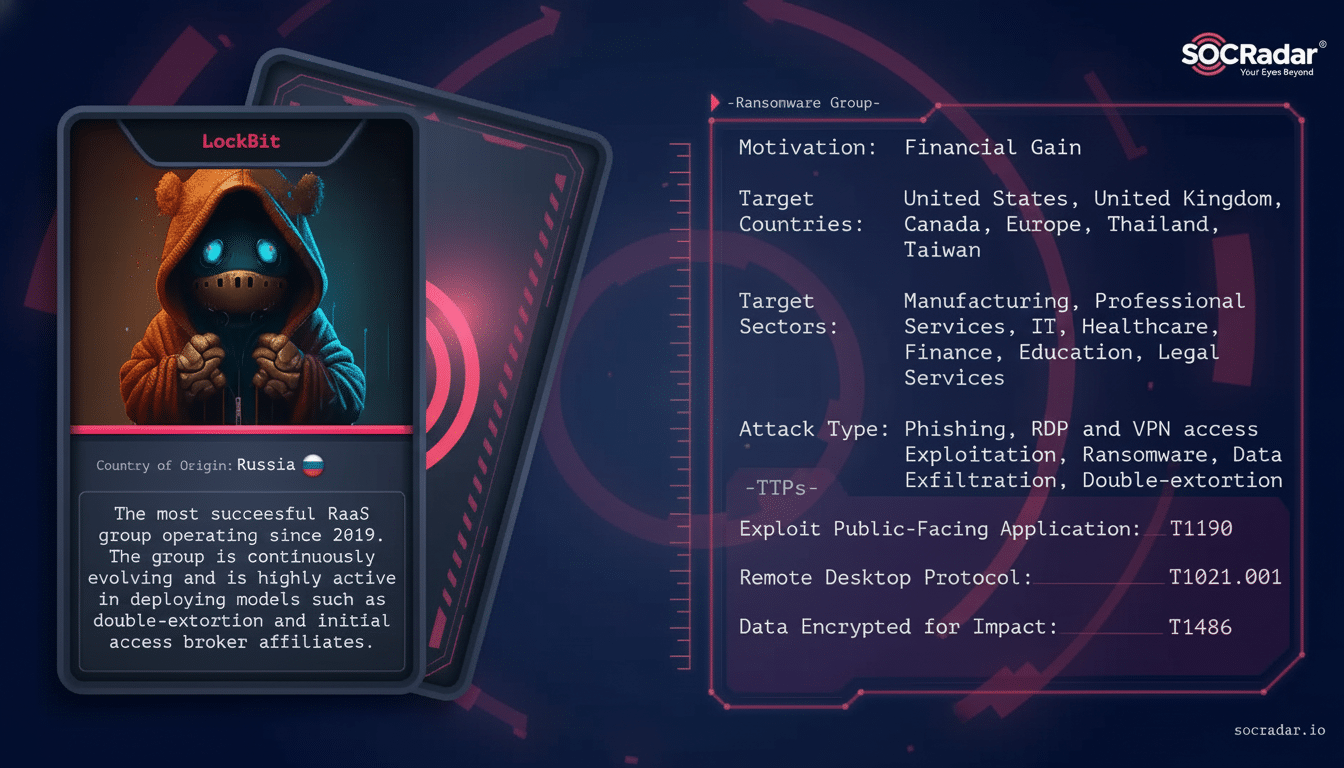
How LockBit 5.0 Turns Up the Heat on Victims
According to Trend Micro’s technical analysis of samples linked with recent attacks, LockBit 5.0 is an extension of the previous version—rather than a from-scratch rewrite. That counts: the group is compounding something that already worked, and peppered in obfuscation and flexibility when it mattered most in a crisis to bedevil analysts as well as recovery teams.
This includes loading in-memory (with well-known reflective DLL loading) to minimize filesystem indicators, as well as new anti-analysis checks that are built to bypass sandboxes and debuggers. The Linux strain features command-line switches that allow operators to focus on particular directories and file types, and also powers faster encryption of business-critical workloads.
Researchers also observe a random 16-bit string in the encryption, making the file mapping intricate and disrupting any easy recovery. The affiliate-facing experience is largely unchanged, aside from technical obfuscation: victims are sent a note with a demand and a negotiating portal where “support” agents haggle over payment and leak dates.
Why Cross-Platform Reach Is So Scary for IT Teams
Enterprises rarely run a monolith. You have a mix of Windows clients, Linux servers and ESXi hypervisors that live side by side, frequently with blessed service accounts and shared storage tying them together. A team that can consistently score on three layers not only encrypts laptops; they jump to hypervisors and ice dozens or hundreds of virtual machines at once.
That consolidation compounds business interruption. LockBit has combined encryption with data stealing in the past, at times pressuring victims by publishing stolen corporate files from manufacturers, municipalities, and postal and logistics operators. And with 5.0, the same extortion playbook is back in full force—now conveniently discreet behind modern, virtualized infrastructure.
Regulators and law enforcement, from the UK’s National Crime Agency and FBI to Europol, have all stated repeatedly that virtualization platforms are prized targets. When hypervisors fail, recovery depends on immutable backups and a clean management plane—controls that few organizations have fully appreciated until some unexpected event demands a painful audit.
A RaaS Economy That Works For A Resilient Future
The long-running advantage LockBit enjoys is not only code, but the marketplace. So, as an RaaS operator, the group recruits affiliates, provides tooling (including hosting leak sites), operates the “customer support,” and shares profits. Two intelligence companies that monitor criminal forums, however, have reported that LockBit is still offering bonuses and faster payouts to entice experienced intruders and brokers who provide initial access.

This division of labor is a reflection of the legitimate software ecosystem: operators specialize in access/lateral movement, and the core has been iterating payloads/infrastructure/negotiation scripts. That division of labor helps LockBit recover from disruptions. Even after servers are taken down and decryptors are released through programs like No More Ransom, affiliates orbit new infrastructure and updated builds.
The financial incentive remains compelling. According to Chainalysis, ransomware payments have surpassed one billion dollars in the past year alone, and negotiators say double- and triple-extortion tactics continue to precipitate urgent decisions. While payments continue to stream, affiliates will see how quickly they can test each new iteration in the wild after release.
What Defenders Should Do Now to Mitigate LockBit 5.0
Prioritize the crown jewels. Map out your most critical services that run on ESXi and Linux, not just Windows endpoints, and segment network connectivity so hypervisors and management consoles sit behind strong access controls combined with multifactor authentication.
Assume memory-resident techniques. For servers and endpoints, you should have behavioral detection of memory scanning, reflective loading, and earlier-stage credential abuse. Combine that with strict allowlisting on servers, PowerShell and scripting restrictions where possible, and tight SSH configuration hardening.
Backups should be offline or immutable and regularly tested in terms of being able to restore, not just for integrity.
Snapshot solutions should be hypervisor- and management-system-aware; aiming for the ability to re-create a pristine control plane is as critical as data recovery.
Close core fundamentals with a sense of urgency: patch known, widely exploited vulnerabilities; rotate and then minimize service account privileges; and keep an eye out for abnormalities in file encryption patterns and mass file renames. Leverage CISA, NCSC, and NIST frameworks to test readiness against ransomware-specific tactics in the MITRE ATT&CK matrix.
Finally, rehearse response. Pre-plan legal, communications, and executive direction paths around ransom negotiations, and cultivate partnerships with incident responders and law enforcement agencies. Takedowns such as Operation Cronos count, but LockBit 5.0 just proves that adaptable criminal franchises are still in business. Defenders must do the same—faster.